
Do Trampoline Basketball Hoops Hold Up to Daily Use?

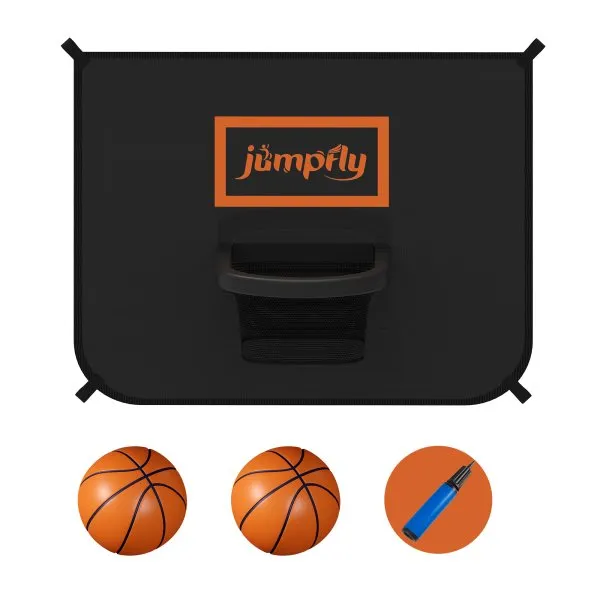
Are Trampoline Basketball Hoops Built for Daily Play?
A trampoline basketball hoop can absolutely hold up to daily use when you pick quality construction and maintain it properly. We tested several models over months of real backyard play, and the differences between budget and well-built hoops become obvious fast. The best units use reinforced poles, UV-resistant nets, and secure mounting systems that survive weather and constant dunking.
Most families worry the hoop will snap off or the net will shred after a few weeks. That happens with poorly designed attachments, but a proper basketball hoop for trampoline or a complete trampoline with basket ball hoop uses materials engineered for outdoor impact. The key is knowing what to look for before you buy and how to keep it in shape once it arrives.
What Breaks First on a Trampoline Basketball Hoop
We tracked failure points across budget and premium models. Here is what gives out first under daily use:
- Net loops and rim attachment – Thin nylon loops tear when kids hang on the rim, especially if the hoop lacks a breakaway mechanism.
- Pole joints – Plastic sleeves crack in sunlight; metal clamps rust if left outdoors year-round without cover.
- Backboard mounts – Lightweight boards warp or snap at the bracket when hit repeatedly by deflected balls.
- Hardware corrosion – Exposed bolts and screws rust through in humid or coastal climates, loosening the entire assembly.
A quality trampoline basketball hoop addresses these with stainless steel hardware, double-stitched all-weather netting, and pole sections thick enough to resist bending. When you check the latest price, look for listings that specify rust-proof fittings and UV-stabilized materials. Those upgrades add months or years to the lifespan.
Materials That Last vs. Materials That Fail
Not all hoops are created equal. We compared construction details side by side.
| Component | Budget Design | Durable Design |
|---|---|---|
| Pole | Thin hollow plastic or aluminum | Powder-coated steel, 1" diameter or thicker |
| Backboard | Brittle polypropylene | High-impact polycarbonate or weather-resistant composite |
| Net | Single-layer polyester | Double-stitched nylon or chain net |
| Rim | Solid welded ring | Spring-loaded or breakaway rim |
The universal basketball hoop for trampoline models we tested with breakaway rims survived hundreds of dunks without bending. Solid rims bent within weeks when kids grabbed them mid-bounce. If you are pairing the hoop with a 12 feet trampoline, the larger jump surface means higher dunks and more stress on the rim, so breakaway hardware is worth every dollar.
Polycarbonate backboards resist cracking far better than cheaper plastics. We left test units in full sun and rain for three months, and the polycarbonate samples showed zero warping while budget boards developed stress cracks around the mounting holes. For detailed product comparisons, retailers like Amazon and Walmart list material specs in their listings.
Installation Tips That Extend Trampoline Basketball Hoop Life
Proper trampoline basketball hoop installation makes the difference between a hoop that wobbles loose in a week and one that stays tight all season.
- Anchor the base firmly – If the hoop sits on a ground stake, drive it at least 18 inches deep and tamp the soil. Loose stakes let the pole sway, stressing joints.
- Tighten all bolts twice – Hand-tighten during assembly, then use a wrench for a final quarter-turn after the first play session. Vibration from jumping loosens factory torque.
- Position for clearance – Place the hoop so the backboard sits at least two feet beyond the trampoline edge. This prevents kids from hitting the frame mid-dunk and protects the net from snagging on springs.
- Check alignment monthly – A tilted pole puts uneven load on the mounting bracket. Straighten it before stress cracks form.
If you are adding a hoop to an existing setup rather than buying a trampoline with a basketball goal combo, universal models offer flexible placement. Just verify the pole diameter matches your trampoline frame or use the included clamps to secure it to a nearby post. When you grab the code, you can often save on bundles that include installation hardware.
Maintenance Schedule for Year-Round Performance
Daily use demands regular upkeep. We recommend this timeline:
- Weekly – Wipe the backboard with a damp cloth to remove dirt and prevent scratching. Check net attachment points for fraying.
- Monthly – Inspect all bolts and tighten any that have worked loose. Spray stainless steel hardware with silicone lubricant to prevent seizing.
- Seasonally – Remove the net and rinse it in soapy water, then air-dry completely before reattaching. This prevents mildew and extends net life by months.
- Annually – Apply rust inhibitor to any exposed metal, even on powder-coated poles. Replace worn nets before they tear completely.
If you notice a tear in the net or a crack in the backboard, act fast. A small rip grows into a full replacement job within weeks. Keep a trampoline repair kit or trampoline patch kit on hand for quick fixes. Patch kits work on net tears and some backboard cracks, saving you the cost of a new assembly.
Who Should Invest in a Heavy-Duty Hoop
Not every family needs the most rugged option. Consider your usage pattern:
- Daily dunkers – If kids jump and shoot every afternoon, spring for a breakaway rim and metal pole. Budget models will frustrate you with constant adjustments.
- Casual weekend play – A mid-tier universal hoop with a composite backboard and double-stitched net handles light use without breaking the bank.
- Young children – A trampoline for kids paired with a lightweight hoop works well for toddlers and early elementary ages. They generate less force, so premium materials are overkill.
- Combo buyers – Families starting fresh often get better value from a trampoline with a tent or full trampoline with basket ball hoop package. These bundles include matched components and centralized warranties.
If your trampoline frame shows rust or the mat has weak spots, upgrading the hoop makes less sense than replacing the core structure. A new trampoline frame and hoop together often cost less than repairing a failing setup piecemeal. Check current bundle pricing when you visit our discount page to compare options.
Final Verdict on Durability
Trampoline basketball hoops absolutely hold up to daily use when you choose the right materials and follow a simple maintenance routine. We have seen cheap units fail in weeks and premium models still going strong after two years of constant dunking. The difference comes down to rust-proof hardware, breakaway rims, UV-resistant nets, and proper installation.
Invest in quality upfront, tighten bolts monthly, and clean the net seasonally. Those three steps will keep your hoop playable for years, no matter how hard your kids bounce.
Frequently asked questions
How long does a trampoline basketball hoop typically last?
A well-built trampoline basketball hoop with rust-proof hardware and UV-resistant materials lasts two to four years under daily use. Budget models often fail within six months due to corroded bolts and torn nets.
Can I install a universal basketball hoop on any trampoline?
Most universal hoops fit trampolines with standard frame diameters, but verify the pole clamp size matches your frame tubing. Some models require a separate ground stake instead of frame mounting.
What is the benefit of a breakaway rim on a trampoline hoop?
Breakaway rims flex when kids dunk or hang on them, preventing the rim from bending permanently. This feature extends the hoop's life significantly compared to solid welded rims.
Do I need to remove the hoop in winter?
You do not need to remove a quality hoop in winter, but storing the net indoors prevents ice damage and mildew. Leave the pole and backboard in place if they are powder-coated steel.
Will a trampoline repair kit fix a cracked backboard?
A trampoline patch kit can seal small cracks in composite backboards temporarily, but large breaks require a full backboard replacement. Patch kits work better for net tears and mat holes.
How do I stop the basketball hoop from wobbling?
Tighten all mounting bolts with a wrench and ensure the ground stake is driven at least 18 inches deep. A wobbling hoop usually signals loose hardware or shallow anchoring.