
How to Use a Glucose Ketone Meter for Accurate Ketosis Tracking

How to Use a Glucose Ketone Meter for Accurate Ketosis Tracking
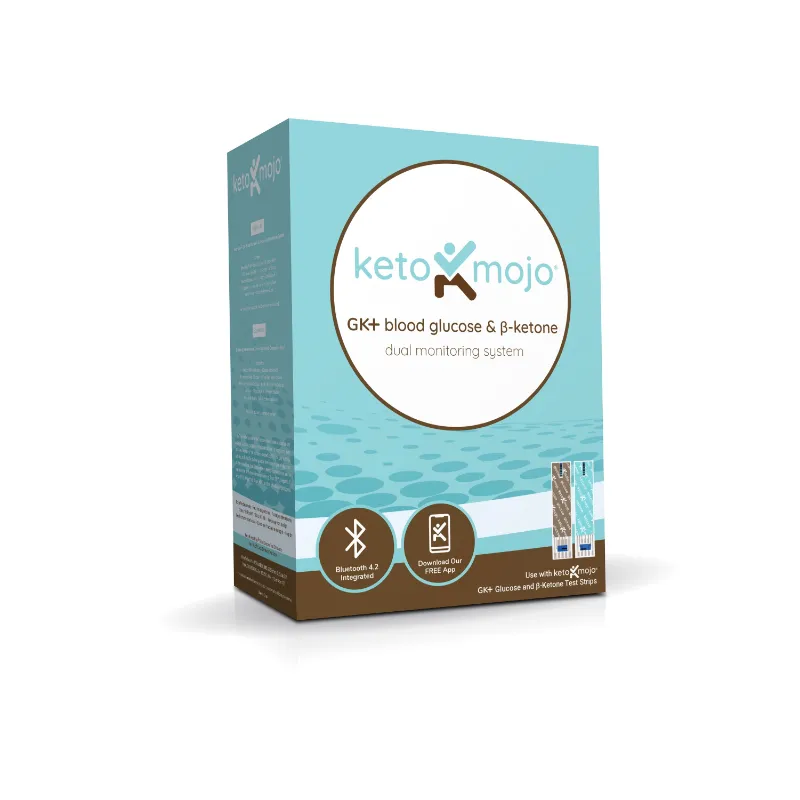
A glucose ketone meter delivers precise readings of both blood glucose and ketone levels, making it the gold standard for tracking nutritional ketosis. Unlike urine strips or breath meters, dual-function devices like the keto mojo meter provide lab-accurate data that shows whether your body is burning fat for fuel. We tested several options to help you measure ketosis correctly and interpret your results.
Why Track Both Glucose and Ketones
Measuring only ketones tells half the story. Your glucose-ketone index (GKI) divides glucose by ketones to reveal metabolic health more accurately than either metric alone. Therapeutic ketosis for epilepsy or cancer support typically targets a GKI below 3, while general ketogenic dieting aims for 6 to 9. Without a ketone monitor that also reads glucose, you cannot calculate this ratio or spot blood sugar spikes that kick you out of ketosis.
Monitoring both values also helps you fine-tune macros. If ketones are high but glucose remains elevated, you may need to reduce protein or hidden carbs. If both are low, you might not be eating enough fat or your body hasn't yet adapted. This dual insight speeds up troubleshooting and keeps you on track.
Step-by-Step: Testing Your Blood Ketones and Glucose
The process is nearly identical to checking blood sugar, with a few key differences:
- Wash and dry your hands to remove any food residue that could skew glucose readings.
- Insert the correct strip into your meter. Glucose and ketone strips are different; most devices use separate strips for each test.
- Lance the side of your fingertip with a fresh lancet. The sides hurt less than the pad and produce enough blood for both tests.
- Apply the blood drop to the strip within the meter's time window (usually 5 to 10 seconds).
- Wait for the result. Glucose reads in about 5 seconds; ketones take 10 seconds.
- Record both numbers in your tracking app or journal, along with the time of day and what you ate.
For the most consistent data, test at the same time each morning before eating. Fasting ketones are typically highest in the morning and drop after meals, even keto-friendly ones. Check the latest pricing and our discount code before you stock up on test strips, since strip costs add up faster than the meter itself.
Choosing the Best Glucose and Ketone Meter
We evaluated accuracy, strip cost, and ease of use across popular models. The keto-mojo meter remains our top pick for home use because it delivers clinical-grade accuracy (within 15 percent of lab values), uses affordable strips, and syncs with mobile apps. The Precision Xtra ketone meter is another trusted option, though strips typically cost more.
| Feature | Keto-Mojo | Precision Xtra | Generic Brands |
|---|---|---|---|
| Accuracy | Clinical-grade | Clinical-grade | Variable |
| Strip cost per test | $0.50–$1.00 | $1.50–$3.00 | $0.30–$2.00 |
| App sync | Yes | No | Rarely |
Avoid meters marketed solely for diabetes management unless they explicitly support ketone testing. Most glucose-only devices cannot read ketone strips. Abbott's research into continuous ketone monitoring shows promise for the future, but finger-stick meters remain the most accessible and accurate option today.
If you want an expert comparison of current models, Diet Doctor's guide to the best ketone meter walks through testing protocols and real-world performance.
Interpreting Your Ketone and Glucose Results
Blood ketone levels between 0.5 and 3.0 mmol/L indicate nutritional ketosis. Levels above 3.0 suggest deeper ketosis, which may benefit certain therapeutic protocols but is not necessary for weight loss or general health. Glucose should sit between 70 and 90 mg/dL for optimal ketosis, though some people function well up to 100 mg/dL.
Your glucose-ketone index offers the clearest insight:
- GKI below 3: Deep therapeutic ketosis, often used for epilepsy management or adjunct cancer support.
- GKI 3 to 6: Moderate ketosis with strong metabolic benefits.
- GKI 6 to 9: Light ketosis, suitable for weight loss and cognitive focus.
- GKI above 9: Not in ketosis; review your carb and protein intake.
Test strips and meters only measure ketones in your blood. If you are also tracking gut health or hormonal balance, tests like gut zoomer or checking dutch test cost can reveal underlying issues that affect ketone production. For instance, chronic stress raises cortisol, which can spike glucose and suppress ketosis even when macros are perfect.
Common Mistakes That Skew Your Readings
We see these errors repeatedly, and they lead to frustration or bad data:
- Testing too soon after eating: Ketones drop and glucose rises after meals. Wait at least two hours, or test fasting for consistency.
- Reusing lancets: Dull lancets hurt more and produce smaller blood drops, forcing you to squeeze your finger (which dilutes the sample with interstitial fluid).
- Not coding the meter: Some older models require you to enter a code from each new box of strips. Skipping this step throws off accuracy.
- Comparing urine or breath to blood: Urine strips detect excess ketones your body is dumping, not the ketones you are using. Breath meters estimate acetone, which correlates loosely with blood ketones but is not a direct measurement.
- Ignoring strip expiration dates: Expired strips give unreliable readings. Store them in a cool, dry place and seal the vial tightly after each use.
If your readings seem off, check the manufacturer's troubleshooting guide or consider ordering a ketone monitor from a supplier with responsive customer support. You can often grab the code for 5 percent off testing supplies, which helps when you are burning through strips during the adaptation phase.
Supporting Ketosis with the Right Tools and Supplements
A glucose ketone meter shows whether you are in ketosis, but it does not get you there. Pair your testing routine with supplements that support fat metabolism and metabolic flexibility. Metabo boost combines ingredients that may enhance fat oxidation, while liposomal glutathione liquid supports detoxification pathways that can become stressed during the shift to ketosis.
Some practitioners also recommend nad nasal spray or nad+ nasal spray to support cellular energy production during the adaptation phase, though individual responses vary. Always consult your healthcare provider before adding supplements, especially if you are managing a medical condition or taking medications.
Testing is only part of the equation. Quality sleep, stress management, and consistent meal timing all influence your glucose and ketone levels. If you are doing everything right and still not hitting your targets, consider comprehensive lab work like ana by ifa rfx titer/pattern or spec tracell to rule out autoimmune or nutrient deficiencies that can block ketosis.
When to Test and How Often
Frequency depends on your goals. During the first month of keto, test once or twice daily to learn how different foods and activities affect your levels. Once you are fat-adapted, you can drop to a few times per week or only when troubleshooting a plateau.
Best times to test:
- Fasting in the morning: Establishes your baseline and tracks progress over weeks.
- Before and after workouts: Shows how exercise depletes glucose and raises ketones.
- After introducing a new food: Identifies hidden carbs or your personal protein threshold.
- When you feel off: Confirms whether symptoms like brain fog or fatigue are related to blood sugar swings or low ketones.
Children's Hospital of Philadelphia lists approved blood ketone meter manufacturers for medical-grade testing, which can help if you need documentation for a healthcare provider or insurance.
By combining consistent testing with smart supplementation and lifestyle adjustments, you will dial in the exact approach that keeps you in ketosis and feeling your best. A glucose ketone meter removes the guesswork and gives you the data to optimize every variable.
Frequently asked questions
How accurate are glucose ketone meters compared to lab tests?
Clinical-grade glucose ketone meters like the Keto-Mojo are accurate to within 15 percent of laboratory values, which is sufficient for home monitoring and tracking trends. For medical diagnosis or research, lab tests remain the gold standard.
Can I use the same meter for both glucose and ketone testing?
Yes, dual-function meters use separate test strips for glucose and ketones but read both with the same device. You will need to purchase both types of strips and insert the correct one for each test.
What is a good ketone level for weight loss?
Blood ketone levels between 0.5 and 3.0 mmol/L indicate nutritional ketosis, which supports fat burning and weight loss. Most people see results in the 1.0 to 2.0 mmol/L range.
How much do test strips cost for a ketone monitor?
Ketone test strips typically cost between fifty cents and three dollars per strip, depending on the brand and where you buy them. Glucose strips are usually cheaper, ranging from twenty to fifty cents each.
Why are my ketone readings lower in the evening?
Ketone levels naturally fluctuate throughout the day, usually peaking in the morning after an overnight fast and dropping after meals. This is normal and does not mean you have left ketosis.
Do I need to test both glucose and ketones every time?
Testing both values together allows you to calculate your glucose-ketone index, which provides deeper metabolic insight than either reading alone. Once you understand your patterns, you can test less frequently or focus on the metric most relevant to your goals.