
How to Use a Shampoo Neck Rest for Comfortable Home Hair Washing

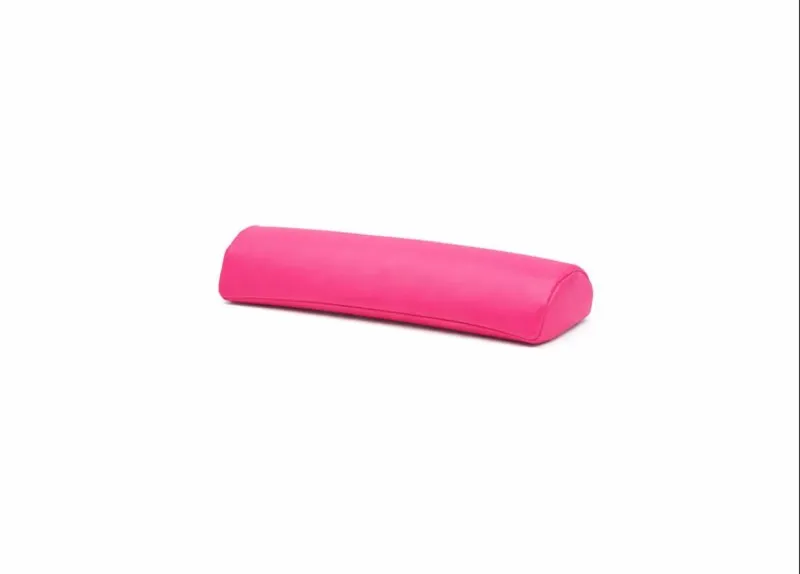
How a Shampoo Neck Rest Makes Home Hair Washing Comfortable
A shampoo neck rest cushions the back of your neck while you lean over a sink, transforming uncomfortable kitchen-sink hair washing into a spa-like experience. We tested several models and found that the right neck rest eliminates the cramped, painful posture that makes home shampooing so dreaded—especially when you're washing someone else's hair or dealing with mobility limitations.
This guide walks you through setup, positioning, pairing with the right products, and maintenance so you can replicate salon comfort at home.
Choosing the Right Shampoo Neck Rest for Your Sink
Not all neck rests fit every sink. Most models are designed as a shampoo neck rest for kitchen sink use, with rubber or silicone construction that grips the sink edge. Look for these features:
- Contoured cushioning that cradles the cervical curve without flattening
- Non-slip base (rubber grip or suction) to prevent sliding during use
- Water-resistant material that dries quickly and resists mold
- Width compatibility with your sink—measure your sink edge depth before buying
We recommend the shampoo neck rest for its universal fit and easy cleaning. Professional models like the Head and Neck Rest for Stationery Shampoo Bowl offer durability for frequent use, though home models work well for occasional washing.
If you need full portability, a portable shampoo bowl with built-in neck support gives you flexibility to wash hair anywhere, though setup takes longer.
Step-by-Step: How to Position and Use Your Neck Rest
Proper placement makes the difference between comfort and a stiff neck. Follow this sequence:
- Secure the rest on the sink edge closest to the faucet, centering it so the cushion overhangs slightly
- Test the grip by pressing down—it should not shift when weight is applied
- Adjust faucet height so the spray reaches the scalp without forcing an extreme neck angle
- Position the person standing or seated behind the sink, leaning back until their neck settles into the cushion's curve
- Support the head with one hand while adjusting water temperature with the other
The ideal angle keeps the head tilted back 30–45 degrees—enough for water to flow away from the face but not so steep that the neck strains.
Pairing Your Neck Rest with the Right Shampoo and Tools
Comfort starts with the neck rest, but the right products speed up the wash and reduce the time spent leaning. We pair ours with:
- Detangling shampoo to cut through knots in one pass and shorten rinse time
- Knotty to nice conditioning detangler for post-wash ease, especially on kids' hair
- Denman hairbrush or a wide-tooth comb to prep hair before wetting
For children, a shampoo pillow for kids (often sold as a "shampoo buddy") adds extra cushioning and reduces anxiety around backward leaning. Combining a neck rest with a gentle detangling shampoo makes the process faster and less stressful for wiggly little ones.
Check the latest pricing and grab our exclusive code for 10% off your neck rest and detangling products.
Common Mistakes and How to Avoid Them
Even with a quality shampoo bowl neck rest rubber model, poor technique leads to discomfort. Here's what to avoid:
- Placing the rest too far forward—the neck should rest on the cushion, not the hard sink edge
- Using too much water pressure—high pressure forces the person to tense up and lift their head
- Skipping a towel under the neck—a thin towel between skin and rubber prevents irritation on sensitive skin
- Rushing the rinse—take your time so the person can stay relaxed instead of bracing against discomfort
If the neck rest slides during use, wipe both the sink edge and the rubber base dry before repositioning. Moisture reduces grip.
Cleaning and Storing Your Shampoo Neck Rest
Proper care prevents mold and extends the life of your cushion. After each use:
- Rinse thoroughly with warm water to remove shampoo residue
- Wipe down with a mild disinfectant or diluted vinegar solution
- Air-dry completely before storing—never stash it damp in a cabinet
- Store flat or hanging to preserve the cushion's shape
Rubber and silicone models tolerate occasional machine washing on a gentle cycle, but hand cleaning is gentler and faster. Replace your rest if you notice cracks, permanent odor, or loss of grip.
Who Benefits Most from a Neck Rest Setup
We've found neck rests especially valuable for:
- Caregivers washing hair for elderly or disabled family members who can't use a traditional shower
- Parents managing bath time for toddlers and young children who resist laying back
- Anyone with limited mobility who finds shower standing difficult but can sit comfortably at a sink
- Home hairstylists offering wash services without investing in a full salon bowl
Even if you're washing your own hair, a neck rest beats the awkward crouch-and-twist most of us resort to at the kitchen sink. Pair it with our shampoo neck rest and quality hair-care products, then visit our discount page to save on your setup.
A well-positioned neck rest turns a chore into a manageable, even pleasant, routine—and your neck will thank you.
Frequently asked questions
Can I use a shampoo neck rest on any sink?
Most neck rests fit standard kitchen and bathroom sinks with a flat or slightly curved edge. Measure your sink's edge depth and check the product specs to confirm compatibility before buying.
How do I keep the neck rest from sliding during use?
Wipe both the sink edge and the rubber base completely dry before positioning the rest. Moisture reduces grip, so a quick towel wipe solves most slipping issues.
Is a shampoo neck rest safe for kids?
Yes, and many parents find it reduces anxiety around backward hair washing. Pair it with a gentle detangling shampoo and keep one hand supporting the child's head for extra reassurance.
How often should I replace my shampoo bowl neck rest?
Replace it when you notice cracks, permanent odor, or loss of grip. With proper cleaning and storage, a quality rubber or silicone rest lasts one to two years of regular use.
Can I use a portable shampoo bowl instead of a neck rest?
A portable bowl offers more flexibility for washing hair anywhere, but setup takes longer and storage requires more space. A neck rest works better if you always wash at the same sink.
What's the best way to clean a rubber shampoo neck rest?
Rinse with warm water after each use, wipe with diluted vinegar or mild disinfectant, then air-dry completely. Avoid storing it damp to prevent mold growth.