
How to Use a Stainless Steel Gua Sha Tool for Facial Massage

How to Use a Stainless Steel Gua Sha Tool for Facial Massage
A stainless steel gua sha delivers instant cooling and lymphatic drainage when you glide it across your face with light, upward strokes. We tested the stainless steel gua sha alongside jade and rose quartz versions and found the metal tool stays colder longer, resists bacteria buildup, and never chips or cracks. Here's how to use it for sculpted, depuffed skin.
Why Choose Stainless Steel Over Jade or Stone
The stainless steel gua sha vs jade debate comes down to hygiene, temperature, and durability. Stainless steel is nonporous, so oils and bacteria wash off completely in seconds. Jade and rose quartz absorb product residue into microscopic pores, even after cleaning.
Metal tools also hold a chill for 10 to 15 minutes after refrigeration, while stone warms to skin temperature within two minutes. If you struggle with morning puffiness or sinus congestion, that extended cold therapy constricts blood vessels and pushes fluid out of tissue faster.
Stainless steel won't shatter if you drop it on tile, and it weighs less than most stone tools, so your hand won't fatigue during a five-minute routine. For current pricing and our exclusive discount, grab the code before you order.
Prep Your Skin Before You Gua Sha
Never drag a gua sha across dry skin. Friction tugs at delicate facial tissue and can cause irritation or broken capillaries. Apply a facial oil or serum first to create slip.
We pair the tool with the vitamin c face oil for brightening or the emerald hemp seed calming facial oil when skin feels reactive. Both give enough glide without leaving a heavy residue. You can also use the flawless peptide serum if you prefer a lighter texture.
Prep steps:
- Cleanse and pat skin damp, not bone-dry
- Dispense 4 to 6 drops of oil into your palm and press it over your face and neck
- Refrigerate your stainless steel gua sha for 10 minutes (optional but recommended for depuffing)
- Sit or stand in front of a mirror so you can watch your angles
Proper prep ensures the tool glides smoothly and you see results after one session.
Step-by-Step Gua Sha Technique
Hold the tool flat against your skin at a 15-degree angle, not perpendicular. You want the edge to skim the surface, not dig in. Use light to medium pressure—this is lymphatic work, not deep tissue massage.
Neck (always start here to open drainage pathways):
- Sweep from the center of your collarbone outward toward your shoulder, 3 to 5 times per side
- Glide from under your ear down the side of your neck to your collarbone, 3 to 5 times per side
Jawline and chin:
- Start at the center of your chin and sweep along your jawbone toward your ear, 5 times per side
- Use the notched edge of the tool to hug your jawline for extra sculpting
Cheeks:
- Begin at the corner of your mouth and glide upward toward the top of your ear, 5 times
- Start at the side of your nose and sweep across your cheekbone to your hairline, 5 times
- This motion lifts and drains fluid pooling in the midface
Under-eyes (use the gentlest pressure here):
- Glide from the inner corner of your eye outward along the orbital bone to your temple, 3 times per side
- Never pull downward or press directly on the eyeball
Forehead:
- Sweep from the center of your brow upward to your hairline, working in sections across the entire forehead, 3 to 5 times per section
- Finish by gliding from the center of your forehead out toward your temples
End every few strokes with a sweep down the neck to push lymph toward your collarbone. The entire routine takes four to six minutes. For a visual guide and expert tips, The Expert Guide on How to Gua Sha walks through traditional techniques.
Stainless Steel Gua Sha Benefits You'll Notice
Consistent use (three to five mornings per week) produces visible changes within two to three weeks. The stainless steel gua sha benefits stack over time as you train your lymphatic system to drain more efficiently.
Immediate effects:
- Reduced puffiness, especially around the eyes and jawline
- Temporary lifting and contouring from increased microcirculation
- Brighter, dewier complexion as stagnant fluid moves out
Long-term effects:
- Softened fine lines as facial tension releases
- Improved product absorption (oils and serums penetrate deeper after massage)
- More defined facial contours from regular sculpting strokes
You can also pair gua sha with an led therapy mask or the current body led face mask series 2 for layered treatment. Use the tool first to prep skin, then follow with red or infrared light therapy to boost collagen production.
How to Clean and Store Your Tool
Stainless steel resists rust and tarnish, but you still need to clean it after every use. Rinse the tool under warm water with a drop of hand soap or facial cleanser, then dry it completely with a clean towel.
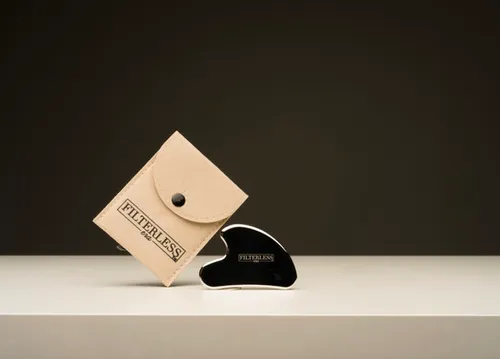
Store your gua sha in a fabric pouch or on a clean surface, not loose in a makeup bag where it can collect lint and product. If you keep it in the fridge, wrap it in a soft cloth to prevent condensation buildup.
Avoid harsh abrasives or bleach, which can scratch the finish. A quick 30-second wash is all you need to keep the tool hygienic.
Best Stainless Steel Gua Sha Tool and Where to Buy
We tested the best stainless steel gua sha options across price points and edge designs. The stainless steel gua sha we recommend features a double-notched edge for jawline work, a flat broad side for cheeks, and a pointed tip for precise under-eye massage.
If you want to compare materials and brands side by side, The 9 Best Gua Sha Tools of 2026, Tested and Reviewed includes both metal and stone picks.
Check the latest price and apply our code for 10% off your order at Filterless Era. You'll get the tool plus free shipping on orders over a threshold set by the store.
Common Mistakes to Avoid
Using too much pressure: Gua sha works with your lymphatic system, which sits just under the skin. Heavy-handed strokes can bruise tissue and damage capillaries. If you see red marks or feel pain, lighten your touch.
Skipping the neck: Your neck houses the primary lymph nodes that drain your face. Always start there, even if you're short on time.
Dragging downward: Gravity already pulls facial tissue down. Upward and outward strokes lift and sculpt. The only downward motion should be the final drainage sweep along your neck.
Forgetting to clean the tool: Bacteria and oxidized oils build up fast. Rinse after every use to avoid breakouts.
Consistency beats intensity. A gentle four-minute routine five days a week delivers better results than a hard 15-minute session once a month.
Frequently asked questions
Can I use a stainless steel gua sha on bare skin?
No, always apply a facial oil or serum first. Dragging the tool across dry skin creates friction that can irritate tissue and damage your moisture barrier.
How often should I use my stainless steel gua sha tool?
Three to five times per week is ideal for most people. Daily use is safe if you apply light pressure, but give your skin a break if you notice redness or sensitivity.
What's the difference between stainless steel and jade gua sha tools?
Stainless steel stays cold longer, cleans more thoroughly because it's nonporous, and won't chip or break. Jade feels smoother but absorbs oils and warms up quickly.
Do I need to refrigerate my gua sha before each use?
Refrigeration is optional but highly effective for reducing puffiness. A chilled tool constricts blood vessels and drains fluid faster, especially around the eyes and jawline.
Can gua sha replace my LED face mask routine?
No, they address different concerns. Gua sha drains lymph and sculpts through manual massage, while LED therapy stimulates collagen and reduces inflammation at the cellular level. Use both for layered benefits.
Will a stainless steel gua sha tool rust over time?
High-quality stainless steel resists rust and tarnish when cleaned and dried properly after each use. Avoid leaving it wet or storing it in a damp environment.