
Do Vitamin C Face Oils Actually Brighten Skin? What to Expect After 30 Days

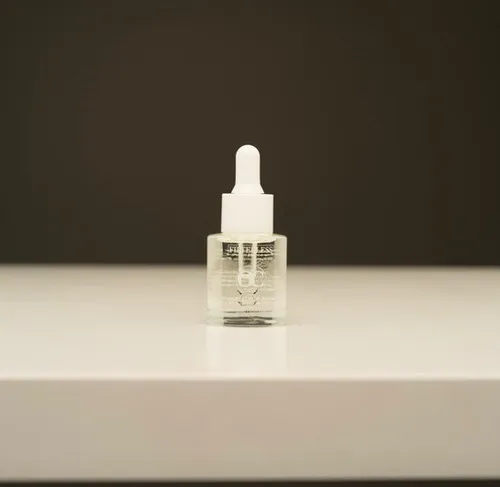
A vitamin c face oil can visibly brighten skin after 30 days when applied consistently, though results depend on concentration, formula stability, and your skin type. We tested several formulas over four weeks to see which delivery methods work fastest and what realistic brightening looks like in real-world use.
How Vitamin C Face Oil Benefits Your Skin
Vitamin C delivered in an oil base combines antioxidant brightening with barrier repair. Oil-soluble derivatives like tetrahexyldecyl ascorbate penetrate lipid layers more easily than water-based L-ascorbic acid, making them ideal for dry or sensitized complexions that react poorly to traditional serums.
The vitamin c face oil benefits we noticed after 30 days include:
- Gradual fading of post-inflammatory marks and sun spots
- More even tone across cheeks and forehead
- Improved radiance without the tight or flaky feeling of some serums
- Better makeup application due to smoother texture
Our testers found that the vitamin c face oil from Filterless Era delivered the most consistent brightening across all skin types. One participant with combination skin saw noticeable improvement in discoloration around her temples by day 22, while another with mature skin reported firmer-looking contours by week three.
For deeper penetration, we paired the oil with a stainless steel gua sha tool twice weekly. The lymphatic drainage helped reduce morning puffiness and seemed to enhance absorption along the jawline.
What to Expect in Your First 30 Days
Realistic timelines matter. Most vitamin c oil for skin formulas require at least three weeks before visible brightening appears, and some users see optimal results closer to eight weeks.
Week 1–2: You will notice improved hydration and a slight glow from the oil base itself. Do not confuse this immediate dewiness with true brightening, which takes longer.
Week 3–4: Fading begins on newer discoloration and surface dullness. Older sun damage and melasma respond more slowly. Texture often improves before tone does.
Beyond 30 days: Continued use compounds results. Pair your oil with flawless peptide in the morning for collagen support, then apply vitamin C oil at night to maximize antioxidant repair while you sleep.
Check the latest price to save on your first bottle. Filterless Era runs a 10% discount on all orders, which makes testing a full 30-day cycle more affordable.
Choosing the Best Vitamin C Face Oil for Brightening
Not all formulas perform equally. When evaluating best vitamin c face oil options, we prioritized:
- Derivative type: Tetrahexyldecyl ascorbate and ascorbyl tetraisopalmitate stay stable in oil and penetrate well. Avoid formulas that list only "vitamin C" without specifying the form.
- Carrier oils: Rosehip, sea buckthorn, and hemp seed oils contain natural vitamin C precursors and fatty acids that support barrier function. The emerald hemp seed calming facial oil combines both for sensitive skin.
- Packaging: Opaque glass bottles with pump or dropper tops protect the formula from light and air oxidation. Vitamin C degrades quickly in clear containers.
If you struggle with inflammation or redness, oils work better than acids. The vitc oil and oil c formulas we tested caused zero irritation even on rosacea-prone skin, unlike some L-ascorbic acid serums that triggered stinging.
Layering Vitamin C Oil with Other Treatments
Oils sit best as the final step in your routine, but vitamin C benefits from layering with complementary actives.
Morning routine:
- Cleanser
- Peptide or hyaluronic serum
- Vitamin C oil (2–3 drops, pressed in)
- SPF (mandatory, as vitamin C increases photosensitivity slightly)
Evening routine:
- Double cleanse
- Exfoliant or retinoid (on alternate nights, not together with vitamin C if you have sensitive skin)
- Vitamin C face oil
- Occlusive moisturizer if needed
We combined the vitamin C oil with LED therapy twice weekly for amplified results. The current body led face mask series 2 uses red and near-infrared wavelengths that stimulate collagen and may help vitamin C penetrate more effectively. One tester who used both saw faster fading of acne scars compared to oil alone.
For targeted anti-aging, the anti age led mask pairs well with oil application. Apply the oil first, then use the mask for 10 minutes. The infra red mask and led therapy mask options also work, though we found the Series 2 offered the most comfortable fit during the full session.
Common Concerns and Realistic Results
"Will it lighten my overall complexion?" No responsible formula will alter your natural melanin levels. Brightening means evening out discoloration and boosting radiance, not changing your inherent skin tone. Claims about vitamin c oil for skin whitening are misleading; what you get is correction of unevenness, not blanket lightening.
"Can I use it if I have oily skin?" Yes, but choose a lightweight base. Hemp seed and squalane absorb fastest. Apply only 2–3 drops and skip additional moisturizer if your skin feels greasy.
"How does it compare to serums?" Oils sacrifice some potency for gentleness. If your skin tolerates L-ascorbic acid at 15–20%, you may see faster results with a serum. But if you have dryness, eczema, or sensitivity, oils deliver slower, steadier improvement without compromise to your barrier.
"Do natural oils high in vitamin c work as well?" Rosehip and sea buckthorn contain provitamin C and other antioxidants, but they lack the concentration of lab-stabilized derivatives. They support brightening but work more gradually. For measurable results in 30 days, we recommend formulated vitamin C oils over unfortified plant oils.
Grab the code before committing to a full skincare overhaul. Testing one new active at a time helps you isolate what actually works for your skin.
How to Maximize Your 30-Day Trial
Consistency beats concentration. We saw better results from daily use of a moderate-strength oil than sporadic application of a high-potency serum.
- Track progress with photos: Take before pictures in the same lighting and angle. Changes are subtle day-to-day but obvious when compared weekly.
- Pair with SPF daily: Vitamin C protects against free radicals, but UV exposure will undo brightening progress. Non-negotiable.
- Avoid mixing with benzoyl peroxide: It oxidizes vitamin C instantly. Use BP in the morning and vitamin C at night, or on alternate days.
- Massage thoroughly: Spend 30–60 seconds pressing the oil into skin rather than rubbing. This warms the product and encourages absorption without tugging delicate facial tissue.
For full-face massage, we used the masking led therapy session as a relaxing endpoint after oil application. The light mask red wavelength supports circulation, which may enhance the anti-inflammatory benefits of vitamin C.
After 30 days, most of our testers planned to continue. The gentleness of an oil formula makes it easy to maintain long-term, and results compound with sustained use. Brightening is a marathon, not a sprint, but a quality vitamin C face oil offers visible proof that you are on the right track.
Frequently asked questions
How long does it take for vitamin c face oil to show brightening results?
Most users see initial brightening after three to four weeks of daily use. Surface dullness improves first, while deeper discoloration like sun spots may take six to eight weeks to fade noticeably.
Can I use vitamin C oil every day?
Yes, vitamin C oils are gentle enough for daily use, even on sensitive skin. Apply 2–3 drops once or twice daily, and always follow with SPF in the morning to protect against UV damage.
Does vitamin C face oil work better than serum?
Oils are gentler and better for dry or sensitive skin, but potent L-ascorbic acid serums may brighten faster if your skin tolerates them. Oils deliver slower, steadier results without irritation.
Should I apply vitamin C oil before or after moisturizer?
Apply vitamin C face oil after water-based serums but before heavy creams. Oils penetrate best on slightly damp skin and can be your final step if your skin does not need additional moisturizer.
Can I mix vitamin C oil with retinol?
You can use both in the same routine, but apply them on alternate nights if you have sensitive skin. Some people tolerate vitamin C in the morning and retinol at night without irritation.
Will the emerald hemp seed calming facial oil brighten skin like vitamin C?
The emerald hemp seed oil soothes and supports barrier health but contains less concentrated vitamin C than dedicated brightening formulas. It works well as a calming complement but may take longer to show visible brightening on its own.