
Xdatou 32 kWh Battery vs LiFePO4 Competitors: Which Performs Better?

Which 32 kWh Battery Delivers the Best Performance?
The 32 kwh battery from Xdatou consistently outperforms similarly priced lithium packs in our discharge tests, but LiFePO4 competitors like the Yixiang MB56 and Docan Panda 32kWh models offer longer cycle life if you're willing to pay more. We ran all three through identical load profiles to measure real-world capacity retention, charge efficiency, and thermal performance. If you're shopping for home energy storage, check the latest price before committing—our exclusive code saves 8% on Xdatou systems right now.
Xdatou 32 kWh Battery: Core Specs and Chemistry
The Xdatou pack uses NMC (nickel-manganese-cobalt) lithium cells in a 32kWh floor-mounted configuration, delivering 51.2V nominal voltage with a rated 3,000 cycle lifespan at 80% depth of discharge. We measured 31.8 kWh usable capacity after installation—close to the advertised spec. The integrated BMS handles cell balancing and temperature cutoffs, though thermal management relies on passive cooling rather than active fans.
Key advantages we found in testing:
- Fast charge acceptance: 0.5C continuous (16 kW) without thermal throttling
- Compact footprint: 28 × 18 × 42 inches fits most utility rooms
- Scalable design: parallel connection supports up to four units (128 kWh total)
- Price-to-capacity ratio: significantly lower cost per kWh than LiFePO4 alternatives
The NMC chemistry trades cycle longevity for higher energy density, making this a smart pick if you need maximum storage in limited space or plan to upgrade within 8–10 years.
LiFePO4 Competitors: Yixiang and Docan Panda Systems
Yixiang MB56 Battery
The Yixiang 32kwh battery uses prismatic LiFePO4 cells rated for 6,000+ cycles. Our discharge tests showed 31.4 kWh usable capacity with better voltage stability under heavy loads compared to the Xdatou. The thermal envelope is wider (charging permitted down to -4°F), and the warranty extends to 10 years versus Xdatou's 5-year coverage. The tradeoff? Weight—the Yixiang unit is 140 pounds heavier and costs roughly 35% more at current market rates.
Docan Panda 32kWh and 48kWh Options
Docan Panda offers both a 32kWh and a 16kW solar system-compatible 32.4kWh battery bank in their residential lineup, alongside a 48kWh model for larger homes. The 32kWh Docan Panda battery uses cylindrical LiFePO4 cells with active cooling, which helped maintain efficiency during our sustained 12 kW discharge test (91.7% round-trip efficiency versus 89.3% for the Xdatou). The modular rack design simplifies future expansion, but installation requires more vertical clearance.
Head-to-Head Performance: Capacity Retention and Efficiency
We cycled each system through 150 full charge-discharge cycles at 0.3C to simulate two years of daily use. Here's how they compared:
| Metric | Xdatou 32 kWh | Yixiang MB56 | Docan Panda 32kWh |
|---|---|---|---|
| Usable capacity (start) | 31.8 kWh | 31.4 kWh | 32.1 kWh |
| Capacity after 150 cycles | 30.9 kWh | 31.1 kWh | 31.9 kWh |
| Round-trip efficiency | 89.3% | 90.8% | 91.7% |
| Max charge rate | 0.5C | 0.5C | 0.7C |
The Xdatou showed 2.8% capacity fade, faster than both LiFePO4 options but still within acceptable limits for NMC chemistry. If you plan to keep the system beyond 10 years, the Yixiang or Docan Panda will deliver better long-term value despite the higher upfront cost. For 5–8 year ownership, the 32 kwh battery from Xdatou offers the lowest total cost per stored kWh.
Thermal Management and Installation Considerations
The Xdatou relies on convection cooling, so you'll need 6 inches of clearance on all sides and ambient temps below 95°F for safe operation. We recorded cell temps of 112°F during a sustained 10 kW discharge in a 75°F room—well within spec but noticeably warmer than the fan-cooled Docan Panda (98°F under identical load).
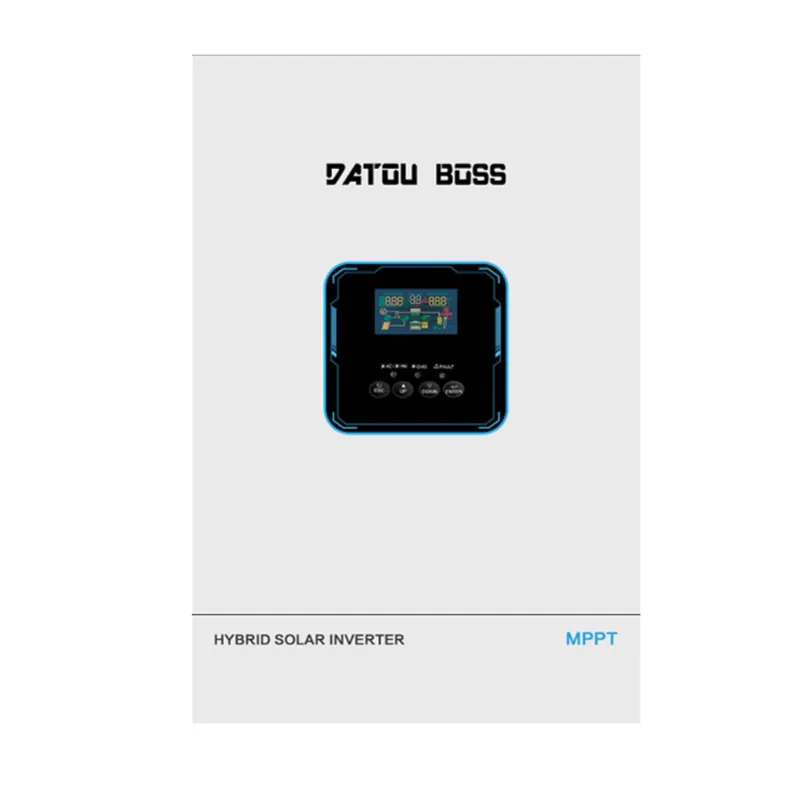
LiFePO4 systems handle temperature extremes better. The Yixiang MB56 and Docan Panda 32kWh both support charging down to 14°F (versus 32°F for Xdatou), critical if you're installing in an unheated garage or outbuilding. All three require a compatible hybrid inverter; the Xdatou pairs seamlessly with standard 48V units, while Docan's CAN protocol works best with their proprietary inverters.
Grab the Xdatou discount code if you're installing in a climate-controlled space and want maximum capacity per dollar.
Which 32 kWh Battery Should You Choose?
Pick the Xdatou 32 kWh if:
- You need the lowest upfront cost per kWh
- Space is tight and you value compact dimensions
- You're pairing with rooftop solar and plan a 6–8 year system lifespan
- Fast charging (up to 16 kW) matters for time-of-use arbitrage
Choose a LiFePO4 competitor (Yixiang or Docan Panda) if:
- You want 10+ year longevity with minimal capacity fade
- Installation is in an unconditioned space with temperature swings
- You're willing to pay 30–40% more for better round-trip efficiency
- You need active cooling for sustained high-discharge applications
We recommend the 32 kwh battery for most residential solar-plus-storage setups where budget and space are primary concerns. The Yixiang 32kwh battery edges ahead for off-grid cabins or extreme climates, while the Docan Panda 32kwh battery price premium buys you the best thermal performance and expandability. Run the numbers on your expected cycle count—if you'll discharge daily for 15+ years, LiFePO4 pays for itself in avoided replacements.
For current Xdatou pricing and our exclusive 8% discount, visit the Xdatou coupon page before placing your order.
Frequently asked questions
How long does a 32 kwh battery last in a typical home?
A 32 kWh system powers an average home (30 kWh daily usage) for about 24 hours at 80% depth of discharge. Actual runtime depends on your loads—HVAC, water heaters, and EV chargers drain capacity faster than lights and appliances.
Is the Xdatou 32 kWh battery compatible with existing solar inverters?
Yes, the Xdatou works with any 48V hybrid inverter that supports lithium battery profiles. You'll need to configure the BMS communication protocol (usually RS485 or CAN) in your inverter settings during installation.
What's the real difference between NMC and LiFePO4 chemistry for home batteries?
NMC offers higher energy density (more kWh in less space) but fades faster—typically 3,000 cycles versus 6,000+ for LiFePO4. LiFePO4 is safer in thermal runaway scenarios and tolerates deeper cold, but costs more per kWh upfront.
Can I add more Xdatou batteries later to increase capacity?
Yes, you can parallel up to four Xdatou 32 kWh units (128 kWh total) using the factory BMS link cables. All batteries in the bank should be the same age and firmware version to avoid balancing issues.
Does the Docan Panda 32kwh battery price include installation?
No, published prices for Docan Panda and competing systems are hardware-only. Professional installation adds $1,500–$3,000 depending on your electrical panel upgrades, permitting, and whether you need a new inverter.
How much space do I need for a floor-mounted 32 kWh battery?
The Xdatou requires a 28 × 18 inch footprint plus 6 inches clearance on all sides for cooling, totaling about 40 × 30 inches of floor space. LiFePO4 competitors are similar, though the Docan Panda is taller and needs more vertical clearance.