

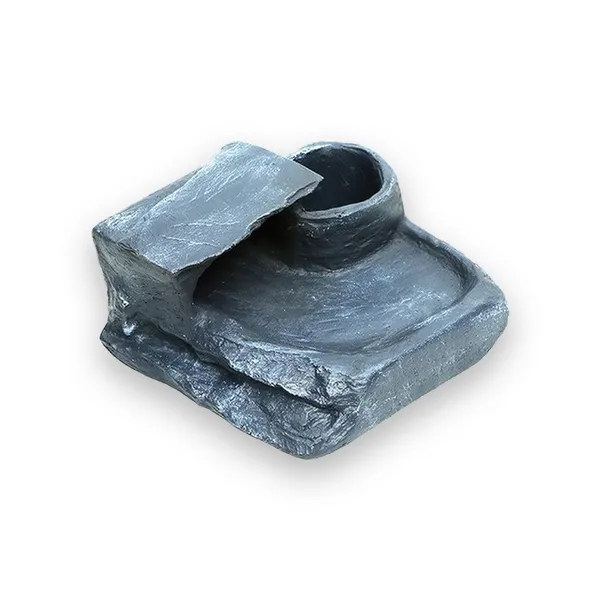
A 100 gallon turtle tank gives most medium-to-large aquatic turtles the swimming room and basking space they need to thrive long-term. The real question is whether a purpose-built turtle tank or a standard large aquarium for turtle keeping is the better fit for your species, budget, and available space. This guide walks through every factor so you can make a confident call before you buy.
Why Tank Size Matters for Turtle Health
Turtles are messier and more active than fish. Undersized enclosures lead to ammonia spikes, shell rot, and stress behaviors like repeated wall-ramming. A general rule used by most keepers:
- 10 gallons of water per inch of shell length as a minimum floor
- Adult red-eared sliders (8-12 inches) need 80-120 gallons
- Larger species like common snapping turtles need even more
- Hatchlings can start smaller but outgrow a 40-gallon breeder within two years
A proper large turtle habitat setup isn't just about water volume either. You need horizontal footprint for a basking platform, vertical clearance to prevent escapes, and enough flow for filtration to work efficiently.
100 Gallon Turtle Tank vs. Large Aquarium for Turtle: Head-to-Head
Both options can work, but they are engineered for different priorities. Here is how they compare across the factors buyers care about most:
| Feature | 100 Gallon Turtle Tank | Large Aquarium for Turtle |
|---|---|---|
| Water level flexibility | Designed for partial fill | Requires full or near-full fill |
| Escape prevention | Low-profile rim, tight lid options | Needs aftermarket lid |
| Basking platform fit | Built-in ledge slots on some models | DIY or add-on platform required |
| Filtration compatibility | Sized for high bioload | May need oversized pump |
| Weight when filled | Lower (partial fill) | Higher (full fill) |
| Aesthetic | Utilitarian | Glass clarity, display-ready |
If your priority is display and you want crystal-clear glass panels, a large aquarium for turtle is a solid pick. If ease of maintenance and turtle-specific features matter more, the dedicated 100 gallon tank for turtle wins on practicality.
Choosing the Right Filter Pump
Turtle tanks need filtration rated for two to three times the actual water volume because turtles produce far more waste than fish. A turtle filter pump designed for reptile enclosures handles the high bioload without clogging as quickly as standard fish filters.
Key things to look for in a turtle filter pump:
- Flow rate rated well above your tank's volume
- Multi-stage filtration (mechanical, biological, chemical)
- Submersible or canister style for partial-fill tanks
- Easy-clean media baskets so weekly maintenance takes minutes, not hours
A weak filter is the single most common reason turtle tanks develop odor and algae problems. Getting this right saves a lot of trouble downstream.
Lighting: UVA UVB Lamps for Tortoises and Aquatic Turtles
Both aquatic turtles and tortoises need proper UV exposure for calcium metabolism and immune function. UVA UVB lamps for tortoises work equally well over aquatic turtle setups when positioned correctly above the basking zone. Aim for:
- UVB index of 3-6 for most aquatic species
- Lamp positioned 10-12 inches above the basking surface
- 12-hour on / 12-hour off cycle to simulate natural daylight
- Bulb replacement every 6-12 months even if the light still appears to work (UV output degrades before visible light does)
Skipping proper lighting leads to metabolic bone disease, a preventable but serious condition.
Alternative Enclosure Options: Turtle Cage Plastic and Beyond
Not every turtle keeper wants a glass tank. Plastic enclosures are lighter, shatter-resistant, and easier to move. A turtle cage plastic enclosure suits:
- Hatchlings and juveniles that don't yet need 100 gallons
- Semi-aquatic or land-heavy species like box turtles
- Setups in spaces where a heavy glass tank isn't practical
- Keepers who need to reconfigure layouts regularly
For transport between home and a vet or second location, a dedicated turtle case keeps your animal secure and stress levels low. These are worth having on hand regardless of which primary enclosure you use.
Setting Up a Complete Large Turtle Habitat
Once you have picked your tank type, here is a practical build order:
- Place the tank on a stand rated for the filled weight before adding anything
- Install the filter pump and test flow rate with plain water
- Add substrate (bare-bottom is easiest to clean; large river stones work if you prefer a natural look)
- Mount the basking platform so the surface sits a few inches above the waterline
- Hang UVA UVB lamps above the basking zone and confirm coverage with a UV meter
- Cycle the tank for at least two weeks before introducing your turtle
- Stock turtle tank and aquarium supplies like a water conditioner, thermometer, and backup heater
If you are sourcing everything from one place, check the latest pricing and grab the current 10% off code before you check out.
Gifts, Plush, and Accessories Worth Knowing About
Not every visitor to a turtle setup guide is building a habitat. Some people are shopping for gifts. A turtle plush is a popular pick for kids who love reptiles but aren't ready for a live animal, and it pairs well with a gift card for turtle and aquarium supplies. For those who are ready to commit to a live pet, Tortue Paradise also carries a pink turtle for buyers interested in that specific variety.
Whatever you are after, browsing with a Tortue Paradise discount code active means you are not leaving savings on the table.
Who Should Buy What: Quick Reference
- Serious adult keepers with a permanent setup: dedicated 100 gallon turtle tank plus a high-flow turtle filter pump and proper uva uvb lamps for tortoises
- Display-focused keepers: large aquarium for turtle with a canister filter rated 2-3x tank volume
- Flexible or beginner setups: turtle cage plastic for juveniles, upgrade path planned from day one
- Travelers and vet visit regulars: add a turtle case to any setup
- Gift shoppers: turtle plush is the low-commitment, high-delight option
 Shopping at Tortue Paradise? See today's verified Tortue Paradise discount code
Frequently asked questions
Is a 100 gallon turtle tank big enough for a red-eared slider?
Yes, for most adult red-eared sliders a 100 gallon turtle tank covers the minimum space requirement. If your slider is on the larger end or you are keeping more than one, sizing up to 120-150 gallons gives extra buffer for water quality.
What filter pump do I need for a large turtle tank?
Choose a turtle filter pump rated for two to three times your actual water volume, since turtles produce far more waste than fish. Multi-stage canister filters are the most reliable choice for tanks 75 gallons and up.
Can I use a regular fish aquarium instead of a purpose-built turtle tank?
You can use a large aquarium for turtle keeping, but you will need to add a secure lid, a basking platform, and an oversized filter. Purpose-built turtle tanks often include slots and features that make these additions easier.
Do UVA UVB lamps for tortoises work for aquatic turtles too?
Yes, UVA UVB lamps sold for tortoises provide the same spectrum aquatic turtles need. Position the lamp above the basking area at the manufacturer's recommended distance and replace bulbs every 6-12 months.
Is a turtle cage plastic enclosure a good long-term option?
Plastic enclosures work well for juveniles, land-heavy species, and setups where weight or breakage is a concern. For fully aquatic adult turtles needing 80+ gallons of water, a glass or acrylic tank is usually more practical.
Where can I find a discount code for Tortue Paradise turtle supplies?
We track the current offer on our Tortue Paradise discount code page, where you can check the latest deal before you check out.