

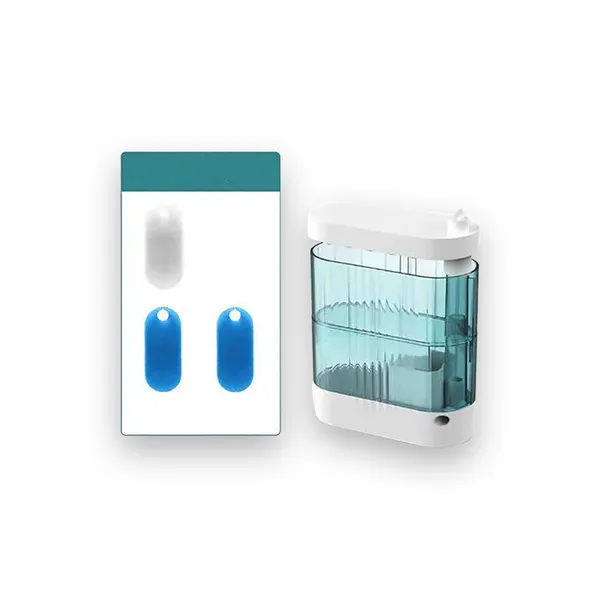
A reliable turtle filter pump is the single most important piece of equipment standing between your turtle and dangerously poor water quality. Turtles produce far more waste than fish of a similar size, so a standard aquarium filter rarely cuts it. This guide walks through every factor that matters when choosing filtration for your setup, whether you are running a compact starter tank or a sprawling 100 gallon turtle tank.
Why Turtle Tanks Demand Serious Filtration
Turtles eat, defecate, and shed skin constantly. That biological load spikes ammonia and nitrite levels much faster than it would in a fish-only tank. Under-filtering is the leading cause of respiratory infections, shell rot, and early death in captive turtles. A proper turtle filter pump handles three stages of filtration:
- Mechanical filtration traps particles like uneaten food and waste solids
- Biological filtration converts toxic ammonia into less harmful nitrates via beneficial bacteria
- Chemical filtration (usually activated carbon) removes odors and dissolved toxins
Skip any one of those stages and you will be doing more water changes than necessary and risking your animal's health.
How to Choose the Right Turtle Filter Pump
Flow Rate and Tank Volume
The most common rule of thumb is to choose a pump rated for at least two to three times your actual tank volume per hour. Turtles are messy enough that you should lean toward three times. If you are running a 100 gallon tank for turtle housing two or more adults, look for a pump rated at 300 GPH or higher. Under-sizing is the most common mistake beginners make.
| Tank Size | Minimum Pump Rating | Recommended Rating |
|---|---|---|
| Up to 40 gallons | 80 GPH | 120 GPH |
| 55 gallons | 110 GPH | 165 GPH |
| 100 gallons | 200 GPH | 300+ GPH |
Filter Style
- Canister filters sit outside the tank and offer the largest media capacity. They are the gold standard for heavily stocked or large setups.
- Hang-on-back (HOB) filters are easier to clean and suit mid-size tanks well.
- Internal submersible filters are budget-friendly but limited in media volume; better as a secondary unit than a primary one.
- Sump filters give the highest capacity and are worth considering for very large turtle habitats.
Media Quality
A powerful motor means nothing without quality filter media. Look for coarse foam for mechanical pre-filtration, bio-rings or ceramic noodles for biological colonization, and a replaceable carbon layer for chemical polish. Some turtle keepers also add zeolite to absorb excess ammonia during cycling.
Matching the Filter to Your Full Habitat Setup
A turtle filter pump does not work in isolation. It has to fit your entire enclosure plan. Consider these interactions:
- Tank size: The large aquarium for turtle you choose sets the minimum pump spec. Never buy the pump before you have confirmed the tank volume.
- Water depth: Turtles need enough depth to swim and turn upright if flipped. Deeper water means more volume for the pump to turn over.
- Lighting: Proper UVA UVB lamps for tortoises drive healthy metabolism, which means your turtle eats more and produces more waste. Factor that into your filtration plan.
- Enclosure type: Whether you use a glass tank, a turtle cage plastic enclosure, or a hybrid setup affects water volume and evaporation rates, both of which influence how hard the pump has to work.
Maintenance: Keeping Your Filter Running at Full Power
Even the best turtle filter pump loses efficiency when neglected. Build a maintenance routine around these tasks:
- Rinse mechanical media weekly in old tank water (never tap water, which kills beneficial bacteria)
- Inspect impeller and intake tube every two weeks for hair, debris, or algae blockage
- Replace carbon media every four weeks, or sooner if odors return
- Deep-clean biological media only every few months, and never all at once, to protect your bacterial colony
- Test water parameters (ammonia, nitrite, nitrate, pH) weekly using a liquid test kit
Skipping step one is the fastest way to turn a great pump into an expensive paperweight.
Turtle Tank Supplies Worth Pairing With Your Filter
Good filtration is the backbone of turtle keeping, but it works best alongside the right supporting gear. Here is a quick reference:
| Item | Why It Matters |
|---|---|
| 100 gallon turtle tank | Gives large or multiple turtles room to swim and reduces waste concentration |
| UVA UVB lamps for tortoises | Essential for shell and bone health; a healthy turtle is easier to care for |
| turtle cage plastic | A lightweight enclosure option that pairs well with submersible or HOB filters |
| turtle case | Useful for safe transport during tank cleaning or vet visits |
If you are just getting started with turtle keeping and want all your turtle tank and aquarium supplies in one place, check the latest prices and grab the discount code before you buy.
Who This Setup Suits Best
- New turtle owners setting up their first habitat and wanting to get filtration right from day one
- Experienced keepers upgrading to a larger tank who need to re-spec their pump accordingly
- Multi-turtle households where biological load is high and water quality is a constant concern
- Tortoise keepers who maintain a water dish or small soaking tub alongside a dry enclosure
If you are shopping for a gift rather than a live animal setup, a turtle plush is a low-maintenance alternative that still delights turtle fans of any age.
Where to Buy and How to Save
Tortue Paradise stocks the turtle filter pump alongside the full range of habitat gear we have covered here. You can browse their catalog and use our code for 10% off all orders to bring the total down on a full setup purchase. That discount stacks up quickly when you are buying a tank, pump, and lighting together.
 Shopping at Tortue Paradise? See today's verified Tortue Paradise discount code
Frequently asked questions
What flow rate do I need in a turtle filter pump for a 100 gallon tank?
For a 100 gallon tank housing one or more turtles, look for a pump rated at a minimum of 200 GPH, though 300 GPH or higher is a safer target given how much waste turtles produce compared to fish.
Can I use a regular fish tank filter for a turtle?
You can, but most standard fish filters are undersized for turtles. Turtles generate significantly more biological waste, so you need a filter rated for two to three times your actual tank volume to maintain safe water parameters.
How often should I clean my turtle tank filter?
Rinse the mechanical media in old tank water every week, check the impeller every two weeks, and replace chemical media like carbon every four weeks. Avoid cleaning all filter media at the same time so you do not wipe out beneficial bacteria.
Does the type of enclosure affect which filter I should choose?
Yes. A glass aquarium, a turtle cage plastic enclosure, or an open tub all have different water volumes and evaporation rates, which changes how much the pump needs to turn over. Always confirm your water volume before selecting a pump.
Do UVA UVB lamps for tortoises affect how much filtration I need?
Indirectly, yes. Good lighting supports a healthy metabolism, which means your turtle eats more and produces more waste. A well-lit, well-fed turtle is a heavier bioload, so pair strong lighting with appropriately sized filtration.
Is there a discount code for Tortue Paradise turtle supplies?
Yes, our store page lists the current offer for Tortue Paradise. Visit our coupon page to find the latest code and any free shipping promotions before you check out.