

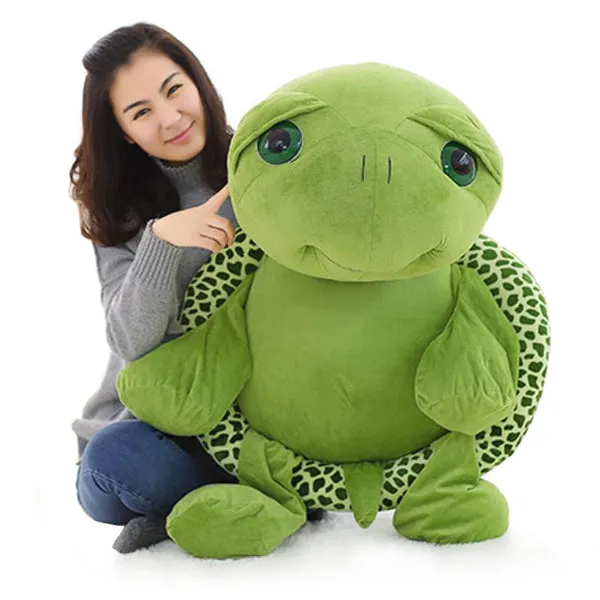
A turtle plush is one of the smartest starter gifts you can give a child who is obsessed with turtles, because it lets them practice the idea of caring for a pet before the real responsibilities begin. If your child passes the "plush test," a live turtle can be a genuinely rewarding family pet. The gap between the two, though, is wider than most parents expect.
What a Turtle Plush Actually Teaches Kids
Soft toys are not just comfort objects. When a child carries a plush turtle around, feeds it imaginary food, and tucks it in at night, they are rehearsing the routine and emotional investment that a live animal demands. Here is what that play reveals:
- Consistency - Does your child remember their plush for days at a time, or does it end up under the couch after a week?
- Gentleness - Live turtles stress easily. A child who handles a soft toy with care is more likely to handle a real animal safely.
- Interest span - Turtles can live 20 to 40 years. A child who stays genuinely excited about their plush for months is showing you something important.
- Gift suitability - For kids who are not yet ready for a live pet, a turtle plush also makes an excellent birthday or holiday gift on its own terms.
If the plush phase holds strong for a few months, that is a meaningful green light to explore live turtle ownership.
What a Live Turtle Actually Needs: The Real Setup
This is where many families underestimate the commitment. A healthy turtle requires significantly more than a small bowl of water. Below is a quick comparison of what each option demands.
| Factor | Turtle Plush | Live Turtle |
|---|---|---|
| Daily care time | None | 15 to 30 minutes |
| Equipment cost | Minimal | Moderate to high |
| Space required | None | Large tank or enclosure |
| Lifespan commitment | N/A | Decades |
| Vet visits | None | Annual minimum |
A live setup typically starts with the enclosure. A 100 gallon turtle tank is the standard recommendation for most medium-sized aquatic turtles, giving them enough water volume to swim, thermoregulate, and behave naturally. For younger turtles that will grow, a 100 gallon tank for turtle also gives you room to scale without upgrading again in a year.
Choosing the Right Enclosure and Filtration
Turtle waste is heavy, which means filtration is not optional. A quality turtle filter pump rated for at least twice the tank volume will keep water parameters stable and reduce how often you need to do full water changes. Skipping this step is one of the most common mistakes first-time turtle owners make.
For the enclosure itself, you have two main routes:
- Aquatic setup - A large aquarium for turtle works well for semi-aquatic species like red-eared sliders. Pair it with a basking platform and a good filter.
- Terrestrial or semi-terrestrial setup - A turtle cage plastic enclosure is a lighter, more modular option for tortoises or box turtles that do not need deep water.
If you ever need to transport your turtle to the vet or a new home, a dedicated turtle case keeps the animal secure and reduces stress during the journey.
Lighting: The Detail Most Beginners Miss
Turtles and tortoises cannot synthesize vitamin D3 without proper UV exposure. In the wild, they get this from sunlight. Indoors, you need to replicate it. UVA UVB lamps for tortoises cover both the behavioral stimulation (UVA) and the metabolic health (UVB) that reptiles require. Without the right lighting, even a well-fed turtle can develop metabolic bone disease within months.
Key things to look for in reptile lighting:
- UVB output of at least 5% for most aquatic turtles, 10% for tortoises
- A basking bulb separate from the UV source, to create a proper temperature gradient
- Bulbs replaced every 6 to 12 months even if they still appear lit, as UV output degrades before visible light does
What Kind of Turtle Should You Consider?
If your child passes the plush phase and your family is ready to commit, species choice matters a lot. A pink turtle is a distinctive and eye-catching option that often captures children's attention immediately. For families new to reptile keeping, starting with a captive-bred animal from a reputable source like Tortue Paradise means you are more likely to get a healthy, handleable animal.
A few considerations when choosing:
- Size at maturity - Some turtles stay small; others grow to need that full large turtle habitat setup.
- Temperament - Some species tolerate gentle handling better than others.
- Dietary needs - Aquatic turtles eat differently from tortoises, and both differ from box turtles.
Making the Transition: From Plush to Real Pet
The best approach is gradual. Start with the turtle plush and observe your child's engagement over at least two to three months. Then introduce them to turtle care content, videos, and if possible, a live turtle at a pet expo or a friend's home. Build the habitat before the animal arrives, so the 100 gallon turtle tank, lighting, and filtration are all dialed in from day one.
You can grab the Tortue Paradise discount code to save on the full setup, since buying the enclosure, filter, and lighting together adds up quickly. Tortue Paradise carries the full range of turtle tank and aquarium supplies, so you can source most of what you need in one place.
For families still deciding, there is genuinely no shame in staying with the plush for another season. A well-loved soft toy costs almost nothing to care for and teaches real lessons about consistency and affection. When your child is ready for the real thing, check the latest pricing and deals before you buy, and build the habitat right from the start.
 Shopping at Tortue Paradise? See today's verified Tortue Paradise discount code
Frequently asked questions
Is a turtle plush a good gift for a toddler who loves animals?
Yes, a turtle plush is safe, durable, and age-appropriate for toddlers, and it helps young children practice gentle handling long before they are ready for a live pet.
How big does a tank need to be for a live pet turtle?
Most medium-sized aquatic turtles need at least a 100-gallon tank to thrive. A larger volume also makes water quality easier to maintain with a good filter pump.
Do turtles really need UVB lighting indoors?
Yes, UVA UVB lamps for tortoises and turtles are essential indoors. Without proper UV exposure, turtles cannot metabolize calcium correctly and are at serious risk of metabolic bone disease.
What is the difference between a turtle cage plastic enclosure and a glass aquarium?
A plastic enclosure is lighter, easier to modify, and better suited for tortoises or box turtles that need less standing water, while a glass aquarium provides the depth and visibility best for semi-aquatic species.
Can I use the Tortue Paradise discount code on the full turtle setup?
Tortue Paradise currently offers 10% off all orders. You can find the latest code and confirm which products are included on the store coupon page before checkout.
How do I know when my child is ready to move from a plush toy to a real turtle?
Look for consistent interest over several months, gentle handling habits, and willingness to learn about care routines. If those signs are there, starting with a captive-bred animal and a properly equipped habitat is the right next step.