
14C28N Steel vs D2 Steel Knife: Which Blade Steel Is Better for Everyday Use?

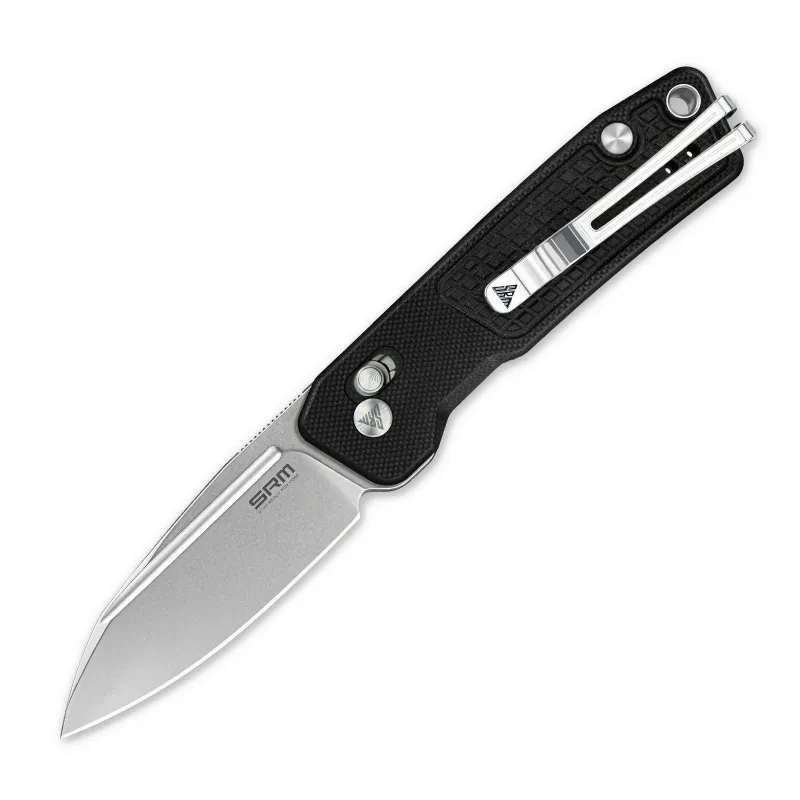
14c28n steel is usually the better everyday blade choice if you want easier upkeep, better corrosion resistance, and dependable edge performance in a pocket knife. D2 can hold a working edge longer in abrasive cutting, but it asks more from you on cleaning and sharpening, especially if your edc folding knife sees sweat, food prep, rain, or cardboard every week.
For SRM Knives shoppers, the practical choice depends less on internet steel rankings and more on how you actually carry: office, warehouse, trail, garage, or all of the above. We’ll compare a 14c28n steel knife against a d2 steel knife, then show where SRM models such as SRM 9202 and SRM 9211 fit for real daily use.
14c28n steel for EDC: why it works so well
A good EDC blade should be boring in the best way: clean cuts, no constant rust anxiety, and no drama when it is time to sharpen. That is where 14c28n steel has earned its reputation.
It was developed as a knife steel, not borrowed from a tool-steel use case. Alleima’s data sheet for Alleima® 14C28N positions it as a stainless strip steel made for knife applications, which helps explain why it feels so balanced in daily carry.
What we like for everyday users:
- Corrosion resistance: Better suited to humid pockets, food residue, and sweaty summer carry than D2.
- Toughness: Less likely to feel chippy when used sensibly for utility tasks.
- Sharpening: Easier to bring back on basic stones or guided systems than many high-wear steels.
- Real-world edge: Plenty of cutting life for packages, tape, rope, zip ties, and light food prep.
If you are buying one knife to use often rather than collect, a 14c28n steel option is one of the safest bets in SRM’s lineup.
D2 steel knife strengths and tradeoffs
D2 is popular because it can deliver strong wear resistance without jumping into premium-steel pricing. A good d2 steel knife often keeps cutting cardboard and rough materials after softer steels start to feel tired.
The tradeoff is that D2 is semi-stainless, not fully stainless in the way most shoppers expect. It has enough chromium to resist some staining, but not enough free chromium to behave like a true stainless knife steel. In plain English: wipe it down, avoid leaving it wet, and do not treat it like a saltwater knife.
D2 makes sense if:
- You cut a lot of cardboard, rubber, plastic banding, or dry utility material.
- You do not mind occasional oiling and careful cleaning.
- You already have decent sharpening gear.
- You value edge retention more than stain resistance.
It is less ideal if your pocket edc knife is used around food, rain, fishing gear, sweaty gym shorts, or coastal air. In those situations, d2 steel knife models can still work, but they reward a more careful owner.
14c28n steel vs d2: quick comparison for daily carry
The easiest way to choose is to match the steel to your maintenance habits. If you want a knife that forgives neglect, lean stainless. If you want more wear resistance and you are comfortable with care, D2 stays in the conversation.
| Category | 14C28N | D2 |
|---|---|---|
| Corrosion resistance | Strong for everyday use | Moderate, needs more care |
| Edge retention | Good and practical | Often stronger on abrasive cuts |
| Toughness | Generally forgiving | Can be more chip-prone depending on heat treat and edge |
| Sharpening | Easier for most users | Slower, especially when very dull |
For most edc knives, we prefer the stainless balance because daily carry is messy. A blade may cut fruit at lunch, open boxes in the afternoon, and sit in a humid pocket on the drive home. That mixed-use routine is exactly where 14c28n steel vs d2 becomes less about lab charts and more about convenience.
If you are ready to buy, check SRM’s current store offer before ordering. We keep the code and live buying link on our SRM Knives discount code page, so you can compare current pricing without relying on outdated numbers.
How handle materials and locks change the feel
Blade steel matters, but the rest of the knife decides whether you will actually carry it. A good steel in a slippery, bulky, or awkward handle becomes a drawer knife fast.
For a work-ready pocket edc knife, we look at:
- Handle grip: A g10 knife usually gives excellent traction without feeling fragile.
- Weight: A carbon fiber knife can feel lighter and more refined, depending on construction.
- Lock type: A liner lock is familiar, simple, and fast for one-hand use when built well.
- Clip and carry depth: If it rides badly, you will stop carrying it.
- Blade shape: Drop points and utility-friendly profiles are easier to live with than overly specialized shapes.
SRM’s appeal is that it often pairs practical blade steels with everyday-friendly handles and locks. The SRM 9211, for example, is the kind of model shoppers compare when they want a modern edc folding knife rather than a display piece.
Where 8Cr13MoV, 154 CM, Nitro-V, and MagnaCut fit
Not every buyer is choosing only between these two steels. SRM shoppers may also see 8cr13mov, 154 cm, and other names in the broader pocket knife market. Here is the simple ranking logic we use when advising readers.
| Steel | Best use case | Main caution |
|---|---|---|
| 8Cr13MoV | Budget EDC and easy sharpening | Edge life is usually more modest |
| 14C28N | Balanced daily carry | Not the longest-wearing option |
| D2 | Abrasive utility cutting | Needs more rust care |
| 154 CM | Upgrade stainless EDC | Usually costs more when specified |
For 14c28n steel vs nitro v, the two are often discussed because both aim for a practical stainless balance. Nitro-V is also known for toughness and corrosion resistance, while 14C28N remains a trusted benchmark for affordable, easy-living EDC.
For 14c28n steel vs magnacut, MagnaCut is the more advanced premium steel when heat treated well, with an unusually strong mix of corrosion resistance, toughness, and edge retention. But that does not automatically make it the smarter buy for every pocket. If the knife is a daily beater, gift, backup, or first quality EDC, spending less on a balanced steel can be the more rational move.
If you want a deeper background explanation, this BladeOps overview of Steel Talk: 14C28N Steel - The Perfect Balance in Knife ... is a useful companion read.
Care tips for stainless and D2 EDC blades
A better steel still benefits from basic habits. This is especially true if your knife rides in the same pocket as keys, coins, dust, or moisture.
For stainless EDC blades:
- Wipe the edge after food, tape, or wet cutting.
- Touch up the edge before it is fully dull.
- Keep the pivot clear of lint.
- Use light oil only where needed, not as a substitute for cleaning.
For D2 blades:
- Dry the blade before it goes back in your pocket.
- Add a thin protective oil if the knife will sit unused.
- Avoid leaving acidic food residue on the steel.
- Use diamond or quality ceramic abrasives if sharpening feels slow.
Sharpening frequency depends on what you cut, not the label on the blade. Cardboard, carpet, dirty rope, and soil-contaminated material dull edges faster than clean packaging or light household tasks.
Which SRM knife should you choose?
Choose a stainless SRM if you want the most forgiving daily partner. Choose D2 if your cutting is dry, abrasive, and you are willing to maintain the blade. Choose a lower-cost steel like 8Cr13MoV if budget and easy sharpening matter more than long edge life.
Our practical buying guide:
- Best for low-maintenance EDC: pick a stainless model with a comfortable handle and reliable lock.
- Best for utility cutting: consider D2 if corrosion is not a major concern.
- Best first good pocket knife: prioritize ergonomics, safe lockup, and easy sharpening over steel prestige.
- Best lightweight carry: compare handle materials, especially if a carbon fiber knife is available.
- Best work grip: a textured G10 handle often beats smooth scales.
Before you order, grab the code and check the latest SRM pricing in one place. Product pages and promotions can change, so we prefer sending readers to the live offer page rather than quoting numbers that may be stale.
Bottom line for everyday users
If we had to recommend one steel profile for the average person carrying one knife every day, we would lean toward 14c28n steel because it is stainless, tough enough, easy to sharpen, and realistic for mixed use. D2 is still a strong choice for dry utility cutting, but it is less forgiving when you forget to clean it.
For SRM Knives, start with how and where you carry, then pick the steel. If the knife will live in your pocket through work, errands, food prep, weather, and weekend chores, stainless balance beats bragging rights. If your use is mostly warehouse material, cardboard, and dry tasks, D2 deserves a close look. Either way, use our current SRM code page before checkout so you do not miss the active store offer.
Frequently asked questions
Is 14c28n steel good for an everyday pocket knife?
A 14C28N blade is usually better for low-maintenance daily carry because it resists corrosion well and is easier to sharpen. D2 can be better if you mainly cut dry, abrasive materials and do not mind extra care.
Will a D2 steel knife rust in my pocket?
D2 is not considered a true stainless steel, so it can stain or corrode if left wet or dirty. Wiping it dry and using light oil when needed makes a big difference.
Is SRM 9211 a good EDC folding knife?
SRM 9211 is worth considering if its size, lock, handle, and blade shape match how you carry. We recommend comparing the live product details and current offer before buying.
Should I choose a G10 knife or a carbon fiber knife?
G10 is generally grippier and more work-oriented, while carbon fiber is often chosen for lower weight and a more premium feel. For hard daily use, we usually prioritize grip and comfort over looks.
Is a liner lock safe for everyday carry?
A liner lock can be safe when it is well built, fully engaged, and used within normal folding-knife limits. Always check lockup, keep fingers clear of the blade path, and avoid twisting cuts.
How does 8Cr13MoV compare with 14C28N for EDC?
8Cr13MoV is easier to sharpen and often found on budget-friendly knives, but 14C28N usually offers a better stainless EDC balance. If you can choose between them for a primary carry knife, 14C28N is the stronger all-around pick.