
How to Choose an SRM Pocket EDC Knife: Liner Lock, Button Lock, and Handle Materials Explained

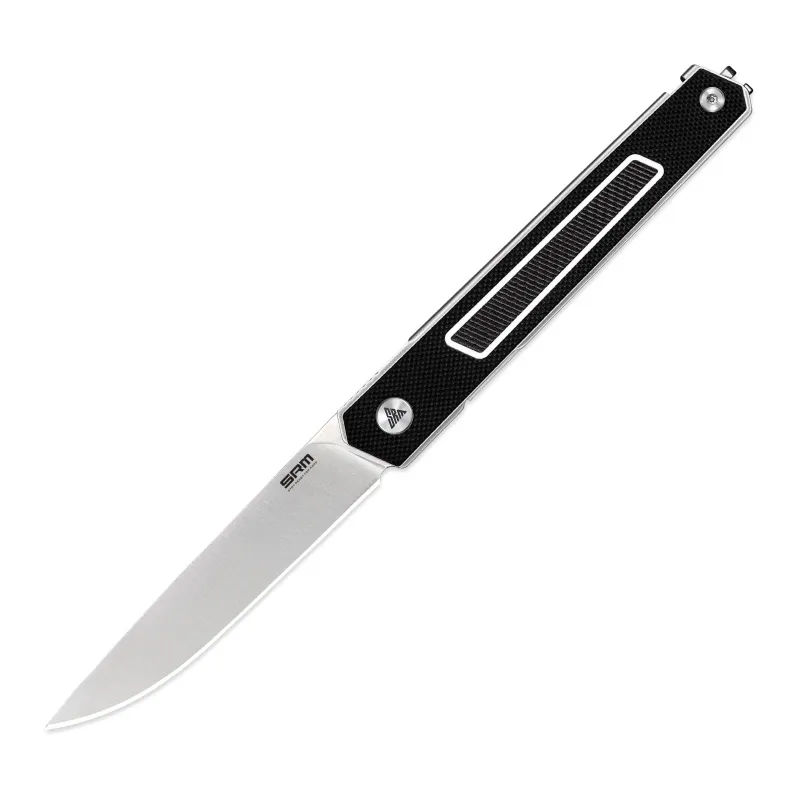
A pocket edc knife from SRM is easiest to choose by matching the lock, blade steel, and handle material to how you actually carry and cut. We would start with SRM’s everyday folders, especially the SRM 9202 and SRM 9211, because they show the brand’s practical approach to compact carry, secure locks, and usable blade shapes. Before you buy, check the model page for current availability and grab the code if you want to lower the checkout price.
SRM knives tend to appeal to buyers who want a clean, functional edc folding knife without paying for decoration they will never use. The right pick depends less on chasing the “best edc knife of all time” and more on choosing a knife you will actually pocket, maintain, and use safely.
Start With How You Use a pocket edc knife
For daily carry, the first question is not steel or handle color. It is what you cut most often. A desk-and-parcels knife has different needs than a worksite tool or a compact tactical edc knife kept for heavier utility.
Use this quick filter:
- Light daily tasks: envelopes, packaging, loose threads, food wrappers, and occasional cardboard.
- Regular utility work: zip ties, thicker cardboard, rope, straps, and outdoor chores.
- Glove use: prioritize easier opening, a confident grip, and a lock you can operate deliberately.
- Minimal pocket carry: look for slimmer handles, a secure clip, and a blade size that does not feel intrusive.
A folding EDC knife should disappear in the pocket but feel controlled in the hand. If it is too small, you may grip it awkwardly. If it is too large, you may leave it at home. That is why SRM models with balanced handles and practical blade shapes often make more sense than oversized showpieces.
For broader EDC context, BladeReviews has a useful overview of what makes EDC knives different from hunting, kitchen, and collector knives.
Liner Lock vs Button Lock: What Feels Safer in Daily Carry
Lock choice affects how the knife opens, closes, and feels under pressure. SRM offers practical lock designs, and the decision usually comes down to preference, hand strength, and how carefully you want to close the blade.
| Lock type | Best for | What to watch |
|---|---|---|
| Liner lock | Simple, familiar one-hand use | Keep fingers clear of the blade path when closing |
| Button lock | Fast operation and easier closing | Make sure the button is not accidentally pressed during grip changes |
| Slipjoint or non-locking designs | Light cutting in stricter carry areas | Less secure under twisting or hard cuts |
A liner lock is popular because it is straightforward: open the blade, the liner springs behind the tang, and the blade stays open until you deliberately push the liner aside. Many experienced users like it because there is very little mystery to how it works.
Button locks can feel smoother and more modern. They are convenient if you open and close the knife often, but we still recommend practicing with any lock before carrying it. With any edc knives, safe habits matter more than the lock name.
Blade Steel: 8Cr13MoV, 14C28N Steel, D2, and 154 CM
Blade steel controls edge retention, corrosion resistance, toughness, and sharpening feel. No steel is perfect at everything. The best choice is the steel that fits your maintenance habits.
| Steel | Why shoppers choose it | Best fit |
|---|---|---|
| 8Cr13MoV | Easy to sharpen and budget-friendly | Light EDC users who maintain their knife often |
| 14C28N steel | Strong balance of corrosion resistance and edge quality | Everyday carry with mixed indoor and outdoor use |
| D2 | Better edge holding than many entry steels | Cardboard, utility cuts, and users who can prevent rust |
| 154 CM | Well-rounded stainless performance | Buyers who want an upgrade without going exotic |
14c28n steel is a strong middle-ground choice for many people because it is stainless, practical, and not overly fussy. If you cut a lot of abrasive material, a d2 steel knife can hold an edge well, but D2 is not as stain-resistant as many stainless steels, so wiping and drying matter.
8cr13mov still has a place. We do not dismiss it just because it is common. If you want an affordable knife you can sharpen easily, it can be a sensible choice. 154 cm sits higher for many buyers who want dependable stainless performance and a more premium feel.
Handle Materials: G10, Carbon Fiber, and Everyday Grip
Handle material changes weight, texture, pocket feel, and long-term comfort. It also affects whether the knife feels secure in wet or cold conditions.
A g10 knife is often the practical pick. G10 is a fiberglass laminate that can be textured for grip, resists weather well, and handles day-to-day abuse. It is not flashy, but it is hard to beat for real use.
Carbon fiber is lighter and more premium in appearance. A carbon fiber knife can be excellent if you want a cleaner pocket profile and a more refined look, but the exact texture matters. Smooth carbon fiber may look great while offering less traction than textured G10.
Aluminum and steel handles can feel solid, but they may be slicker depending on finish. They can also feel colder in winter and heavier in the pocket. If you carry all day, a few extra grams and a slippery scale can matter more than you expect.
Choose handle material this way:
- Best all-around grip: textured G10.
- Best premium feel: carbon fiber or carbon fiber overlay, depending on model.
- Best hard-use confidence: grippy scales with a shape that locks into your palm.
- Best office carry: smoother, slimmer handles that do not shred pockets.
SRM 9202 vs SRM 9211: Which One Should You Shortlist?
The SRM 9202 and SRM 9211 are useful reference points because they represent what many buyers want from SRM: practical construction, pocketable size, and everyday cutting performance. We would compare them by carry feel first, then by lock, steel, and handle preference.
| Model | Why consider it | Buyer fit |
|---|---|---|
| SRM 9202 | Practical daily folder with SRM’s utility-first design approach | Users who want a dependable work and home carry option |
| SRM 9211 | Compact, modern EDC feel from the same brand family | Users who want a streamlined everyday folder |
If you are choosing between the two, look at three things on the product page:
- Closed length and weight: this tells you whether it will actually stay in your pocket.
- Blade steel: match edge retention and corrosion resistance to your use.
- Handle texture and clip position: comfort matters as much as blade shape.
We avoid naming one as universally better because hands, pockets, and local carry rules vary. If both are in stock, compare the current product details and check the latest price before deciding.
Sizing, Carry Rules, and Real-World Comfort
The best EDC knife is the one that fits your routine and your local rules. Blade length limits, lock restrictions, and public carry laws vary widely, so verify what is legal where you live and travel. Do not rely on a product category alone to decide whether a knife is appropriate to carry.
Comfort is also personal. Before buying, think through how the knife will sit in your pocket:
- Will the clip interfere with your phone, wallet, or keys?
- Can you draw it without changing your grip awkwardly?
- Does the handle offer enough room for your hand?
- Is the opening method comfortable for right- or left-hand use?
- Will the texture chew up lightweight pants?
A pocket edc knife should be convenient enough that you do not think about it until you need it. If a knife feels bulky, sharp-edged, or awkward, impressive specs will not save it.
Care Tips for SRM EDC Folding Knives
Basic care keeps an SRM knife safer and more pleasant to use. You do not need a complicated maintenance kit, but you should keep the pivot clean, the edge sharp, and the blade dry.
Our routine is simple:
- Wipe the blade after cutting tape, food, wet rope, or cardboard.
- Dry the knife before putting it away, especially with D2 or other semi-stainless steels.
- Use a small amount of pivot-safe lubricant when opening feels gritty.
- Check the pocket clip screws occasionally.
- Sharpen before the edge is completely dull, not after it is damaged.
For folders, avoid heavy twisting cuts and prying. An edc folding knife is a cutting tool, not a screwdriver or pry bar. If you need a fixed blade for outdoor carry, this guide to fixed blade EDC carry explains when that style makes more sense.
Final Buying Advice
For most SRM shoppers, the safest path is to choose a knife with a comfortable lock, a steel you are willing to maintain, and a handle material that fits your grip. Start with the SRM 9202 or SRM 9211 if you want a practical shortlist, then compare steel and handle details before buying.
If you want the easiest all-around recommendation, look for a balanced folder with grippy G10, a dependable lock, and a steel that matches your environment. When you are ready to order, use our SRM coupon page to get the current code and confirm today’s offer at checkout.
Frequently asked questions
Is a liner lock or button lock better for daily carry?
A liner lock is easy to understand, durable in normal use, and common on everyday folders. A button lock may feel faster and easier to close, but the better choice is the one you can operate safely and consistently.
Is the SRM 9211 a good EDC knife?
The SRM 9211 can be a good everyday option if its size, lock, and steel match your carry needs. Check the product details before buying because comfort and local knife rules matter as much as the model name.
Should I choose a G10 knife or a carbon fiber knife?
G10 is usually better for grip and rougher utility use, while carbon fiber is often chosen for lighter weight and a more premium look. If your hands get wet or you wear gloves, texture matters more than appearance.
Is D2 better than 14C28N steel for an SRM folder?
D2 often holds an edge well for utility cutting, but it needs more attention to avoid staining than many stainless steels. 14C28N steel is often easier to live with if corrosion resistance is a priority.
What should I look for in a pocket edc knife?
For a pocket edc knife, look for comfortable carry size, a secure lock, usable blade steel, and handle texture that fits your grip. Also check your local carry laws before ordering.