
G10 Knife vs Carbon Fiber Knife vs Aluminum Handle: Which EDC Handle Material Should You Pick?

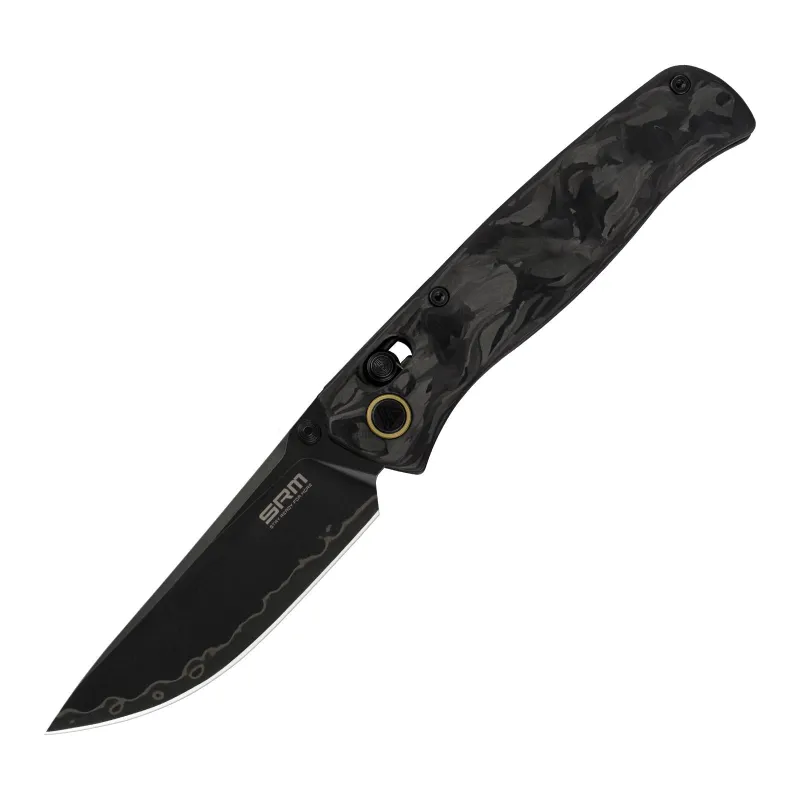
A carbon fiber knife is usually the best pick if you want a light, premium-feeling EDC handle, while G10 is the safer choice for hard-use grip and aluminum is best when you like a slim, rigid, easy-to-clean pocket carry. For SRM Knives shoppers, the real decision is less about hype and more about how the handle feels wet, how much pocket weight you tolerate, and which blade steel and lock you pair it with.
SRM’s catalog includes practical edc knives, compact folding options, G10-handled models, and cleaner dress-carry styles. If you are comparing materials before buying, start with the handle, then check blade steel, lock type, and current deal availability on the SRM coupon page where you can grab the code.
Quick Pick: Carbon Fiber Knife, G10, or Aluminum?
Here is the short version for most everyday carry buyers:
| Handle material | Best for | Watch out for |
|---|---|---|
| Carbon fiber | Low weight, premium look, pocket-friendly carry | Smooth versions can feel less grippy |
| G10 | Traction, work use, wet hands, glove use | Texture can be rough on pockets |
| Aluminum | Slim urban carry, easy cleaning, rigid feel | Can feel cold or slick without texture |
Pick carbon fiber if your knife rides in light pants, office clothes, or a fifth pocket and you care about weight. Pick a g10 knife if you cut rope, cardboard, packaging, or outdoor materials and want more traction. Pick aluminum if you like a clean metal handle that wipes down fast and carries thin.
Do not choose only by looks. A beautiful handle can still be annoying if the clip position is wrong, the scales feel too slick, or the lock is uncomfortable to disengage.
Why Handle Material Matters on EDC Knives
A handle is not decoration. On edc knives, it controls grip security, pocket comfort, balance, cleaning, and how confident the knife feels during repeat cuts.
The main things we check are:
- Grip: Does the knife stay planted with dry hands, wet hands, or gloves?
- Hot spots: Do clip screws, scale edges, or lock access points dig into the palm?
- Pocket wear: Does the texture chew up pocket fabric?
- Weight: Does it disappear in the pocket or pull at lightweight pants?
- Maintenance: Can you rinse or wipe the handle without trapping grit?
- Balance: Does the handle make the blade feel controlled or handle-heavy?
For a pocket edc knife, comfort matters more than many spec sheets admit. A slightly less exotic handle that feels secure every day is often better than a flashy handle you stop carrying.
Carbon Fiber Knife Handles: Best for Light, Premium Carry
A carbon fiber knife handle is popular because it gives a high-end look without adding much weight. It can make an EDC folding knife feel more refined, especially when paired with a clean blade shape and a tidy pocket clip.
What we like:
- Very light for its strength
- Premium woven appearance
- Comfortable for dress carry and light daily use
- Less bulky feeling than many textured synthetic handles
- Good option for a carbon fiber pocket knife that still needs real utility
What to check before buying:
- Smooth carbon fiber can be less grippy than textured G10
- Glossy scales may show fingerprints
- Some knives use carbon fiber overlays rather than full carbon construction
- Edge finishing matters because sharp scale edges can irritate the hand
Search terms like “full carbon fiber knife,” “100 carbon fiber knife,” or “carbon fiber knife no metal” can be misleading in everyday EDC shopping. Most folding knives still use metal liners, pivots, screws, clips, lock bars, or blades because those parts need strength and wear resistance. If you need a non-metal tool for a specific regulated environment, verify the exact construction and local rules before buying.
For normal carry, the SRM carbon fiber knife category makes the most sense for users who want a refined, lightweight knife rather than a rough work beater.
G10 Knife Handles: Best for Grip and Hard Use
G10 is a fiberglass laminate widely used on folding knives because it is tough, stable, and easy to texture. If you want a handle that stays secure during chores, a G10 model is the practical pick.
Choose G10 if you:
- Cut cardboard, cord, zip ties, garden material, or packaging often
- Carry outdoors, at work, or in humid conditions
- Prefer a handle that feels locked into the hand
- Want more traction without relying only on jimping
- Do not mind a slightly more aggressive pocket feel
The downside is pocket wear. Coarse G10 can abrade denim or work pants over time, especially under a tight clip. If you want G10 but hate pocket shredding, look for smoother milling, chamfered edges, or a clip that does not press the scale too hard into fabric.
G10 also pairs well with practical blade steels such as 8cr13mov, 14c28n steel, and D2. If you are building a reliable budget-to-midrange carry, handle traction plus easy sharpening can matter more than chasing the most premium steel name.
Aluminum Handles: Best for Slim, Clean Urban Carry
Aluminum handles fit buyers who want a rigid, compact, low-bulk knife that looks neat in the pocket. They are common on slim EDC designs because aluminum can be machined cleanly and anodized in different finishes.
Good reasons to choose aluminum:
- Thin handle profiles
- Easy wipe-down after food packaging, tape, or dust
- Firm, solid feel
- Modern appearance
- Often smoother in and out of the pocket than coarse G10
Where aluminum is weaker:
- Smooth scales can get slick
- It may feel cold in winter
- Drops can leave visible dents or marks
- Poor texturing can make hard cuts less confident
If you like aluminum, check for milling, grooves, chamfers, or inlays that improve grip. A flat smooth slab may look clean in product photos but feel less secure when your hand is damp.
Match the Handle to Steel, Lock, and Real Use
Handle material is only one part of the knife. The blade steel and lock decide how the knife performs over months of use.
Common SRM-related steel choices include:
| Steel keyword | Why buyers consider it | Best fit |
|---|---|---|
| 8cr13mov | Easy to sharpen and practical | Budget daily utility |
| 14c28n steel | Balanced corrosion resistance and edge performance | General EDC with low fuss |
| D2 | Better edge retention, needs more care around moisture | Work carry and cardboard cutting |
| 154 cm | Proven stainless performance | Upgraded EDC use |
For locks, a liner lock is common because it keeps the knife simple, slim, and one-hand friendly. The key is execution. Check that the lock is easy to access, does not bite the thumb, and keeps fingers out of the closing path.
If you are choosing between SRM models such as SRM 9202 and SRM 9211, use the material decision as a filter first, then compare size, blade shape, steel, and lock feel. Since pricing and available offers can change, we recommend you check the latest price before deciding.
Sizing and Carry Comfort: What to Check Before You Buy
A knife can have the right material and still be the wrong size. For daily carry, we look at how the knife behaves in real pockets, not just on a desk.
Before buying, check:
- Closed length: Will it fit your pocket, organizer, or pouch?
- Handle thickness: Thick scales can feel bulky even if the knife is light.
- Clip depth: Deep carry hides better, but access can be slower.
- Opening method: Make sure the thumb stud, flipper, or nail nick suits your hand.
- Blade shape: Drop point and utility shapes are usually easiest for daily tasks.
- Weight balance: A feather-light handle with a heavy blade can feel odd.
For office or casual carry, carbon fiber and aluminum often win because they slide in and out cleanly. For shop, warehouse, trail, or glove use, G10 usually earns its keep.
Also be careful with searches like “carbon fiber knife set” or “carbon fiber knife amazon.” Sets and marketplace listings can vary widely in construction, warranty, and authenticity. When you want an SRM model specifically, use the store or a trusted link so you know what you are comparing.
Our Buying Advice for SRM Knives Shoppers
If you want the lightest, cleanest daily carry feel, start with carbon fiber. If you want traction and confidence during rougher cutting, start with G10. If you want a slim, easy-clean handle for urban EDC, aluminum is the simple answer.
Our practical ranking looks like this:
- Best all-around work grip: G10
- Best lightweight pocket feel: Carbon fiber
- Best slim urban carry: Aluminum
- Best for wet hands: Textured G10
- Best for dress carry: Carbon fiber or smooth aluminum
- Best low-maintenance handle: Aluminum or G10, depending on texture
Do not overpay just for a material name. The carbon fiber knife price depends on the exact construction, steel, fit, finish, and current promotion, so use the SRM coupon page to compare the current offer instead of relying on stale prices from search results.
For most people, the best EDC handle is the one that makes the knife easy to carry every day. A great blade left at home is less useful than a comfortable, secure folder you actually keep in your pocket.
Frequently asked questions
Is a carbon fiber knife better than G10 for EDC?
A carbon fiber knife is worth it if you want a lighter handle with a premium look and comfortable pocket carry. If you need maximum traction for work or wet conditions, textured G10 may be the better practical choice.
Can I buy a full carbon fiber knife with no metal?
Most folding knives are not 100% carbon fiber because the blade, pivot, screws, liners, clip, or lock usually need metal. Be cautious with terms like full carbon fiber knife and verify the construction if non-metal use matters to you.
How should I choose between SRM 9202 and SRM 9211?
SRM 9202 and SRM 9211 should be compared by handle material, blade shape, steel, lock access, and carry size. If both fit your use, choose the one that feels better for your grip and pocket setup.
Will a G10 knife damage my pocket?
G10 can wear pockets if the texture is very aggressive or the clip presses tightly against the scale. Smoother G10, chamfered edges, and a well-positioned clip reduce that problem.
Is a liner lock good for an EDC folding knife?
A liner lock can be reliable for everyday cutting when it is well made and used properly. Check that it engages securely, is easy to disengage, and keeps your fingers clear when closing.
Does handle material matter more than blade steel?
No. Blade steel affects edge holding, sharpening, corrosion resistance, and long-term maintenance, while handle material affects grip and carry comfort. A balanced knife should match both to how you actually use it.