

Anti-Inflammatory Supplements vs. Pain Medication: When to Choose Each
Anti inflammatory supplements and over-the-counter pain medication both tackle inflammation and discomfort, but they work differently and suit different situations. Knowing when to reach for each option helps you manage pain more effectively while protecting your long-term health.
Pain medication like ibuprofen or acetaminophen offers fast relief by blocking pain signals or reducing inflammation chemically. Anti inflammatory supplements take a gentler, slower route—they work with your body's natural systems to reduce inflammation over time. Neither is universally "better"; the right choice depends on your pain type, duration, and health goals.
How Anti-Inflammatory Supplements Work
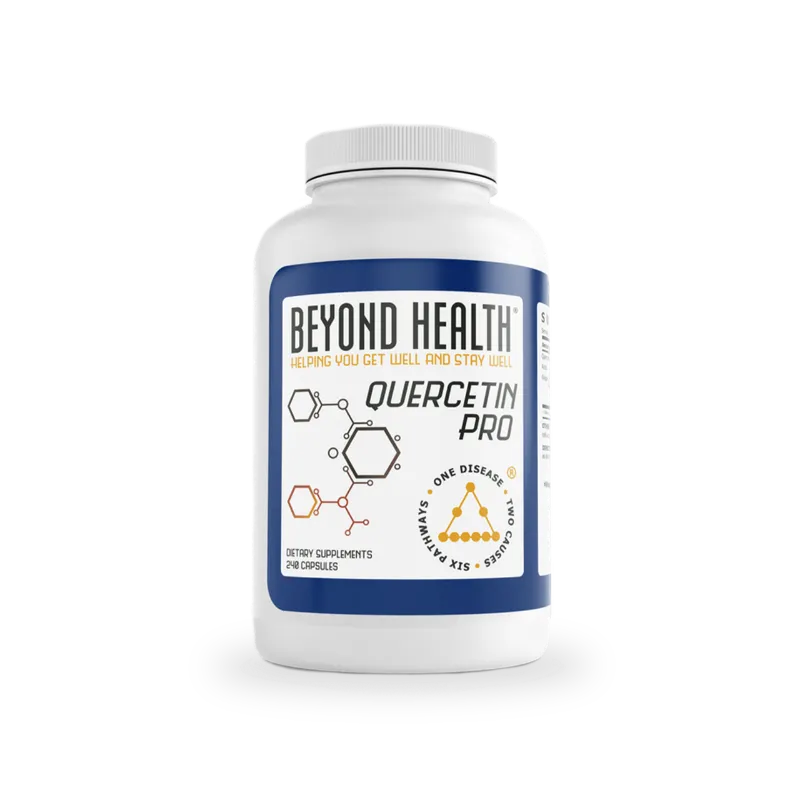
Anti inflammatory supplements support your body's own anti-inflammatory pathways. Products like anti inflammatory supplements contain compounds—curcumin, ginger, omega-3s, or plant extracts—that calm inflammation at the source rather than masking pain signals.
This approach takes longer to show results, often 2 to 4 weeks, but it addresses the root cause. Many people use them for chronic conditions like joint stiffness or digestive upset where long-term relief matters more than immediate speed. Joint health supplements work similarly, supporting cartilage and connective tissue health over weeks and months.
How Pain Medication Works
Over-the-counter pain relievers work fast. Ibuprofen and naproxen reduce inflammation and pain within 30 to 60 minutes. Acetaminophen blocks pain signals directly without much anti-inflammatory effect.
The trade-off: regular use can irritate the stomach lining, affect liver function, or cause rebound headaches. Pain medication shines for acute injury, dental work, or sudden migraines when you need relief now. It's not designed for weeks of daily use without medical guidance.
Which Approach Suits Chronic Conditions
Chronic pain—persistent joint discomfort, lower back tension, or ongoing inflammation—often responds better to anti inflammatory supplements. Since you're taking them daily for the long haul, gentler compounds work well. Joint health supplements are specifically designed for this pattern.
Pain medication can be part of a chronic pain plan too, but daily long-term use requires doctor oversight. Many people combine both: anti inflammatory supplements as the foundation, with occasional pain medication for flare-ups. Always consult your doctor before starting any long-term regimen.
Comparing Key Differences
| Aspect | Anti-Inflammatory Supplements | Pain Medication |
|---|---|---|
| Speed | 2-4 weeks to see results | 30-60 minutes |
| Best for | Chronic conditions, long-term use | Acute pain, immediate relief |
| Side effects | Minimal for most people | GI upset, liver stress with regular use |
| Cost per month | Usually $15-40 | $5-15, but adds up over time |
Supporting Supplements and Lifestyle
While anti inflammatory supplements handle inflammation, other products support overall wellness. Digestive health supplements are worth considering if pain or medication bothers your gut. Berberine supplement supports metabolic health and can reduce inflammation indirectly. Liver detox helps your body process and clear toxins, supporting the organs stressed by any medication.
Energy also matters when managing pain. B vitamin complex for energy helps your nervous system recover and reduces fatigue that often accompanies chronic discomfort. A strong nutritional foundation makes anti-inflammatory approaches work better.
When to Choose Each
Choose anti inflammatory supplements if:
- Your pain is ongoing and mild to moderate
- You want to avoid medication side effects
- You're willing to wait weeks for results
- You prefer a natural, body-friendly approach
Choose pain medication if:
- You need relief within an hour
- Your pain is acute (injury, surgery, sudden onset)
- Anti-inflammatory supplements haven't helped yet
- A doctor recommends it for your specific condition
Many people find the best plan uses both: anti inflammatory supplements as daily maintenance, pain medication for breakthrough pain. Check the latest price on Beyond Health products and grab their 10% discount to try this combined approach affordably.
The Bottom Line
Anti inflammatory supplements work slower but support long-term health and come with fewer risks. Pain medication delivers fast relief but isn't ideal for daily, indefinite use. Your choice depends on your pain type, timeline, and health priorities. Start with what fits your situation, track results over 4 weeks, and adjust with your doctor's input. Grab the code to explore Beyond Health's full range of wellness products at a better price.
 Shopping at Beyond Health? See today's verified Beyond Health discount code
Frequently asked questions
How long do anti inflammatory supplements take to work?
Most anti-inflammatory supplements show noticeable results within 2 to 4 weeks of daily use. Some people feel improvement sooner, but consistent use matters. If you need relief within hours, pain medication is faster.
Can I take anti inflammatory supplements with pain medication?
Many people do combine them safely, but check with your doctor first. Certain supplements may interact with specific medications, so professional guidance ensures you stay safe.
Are anti inflammatory supplements safer than pain meds?
Generally, yes—most are well-tolerated with minimal side effects. Pain medication can cause stomach upset or liver stress with regular long-term use. That said, 'natural' doesn't mean risk-free, so choose quality products and follow dosing.
Which anti inflammatory supplement works best for joint pain?
Joint health supplements are formulated specifically for joint support and tend to work best for joint-related discomfort. Combining them with other anti-inflammatory compounds like berberine or digestive health support often gives better results.
Should I use berberine supplement for inflammation?
Berberine supports metabolic and immune health, which can help reduce systemic inflammation indirectly. It works best as part of a complete anti-inflammatory approach rather than alone for acute pain.