

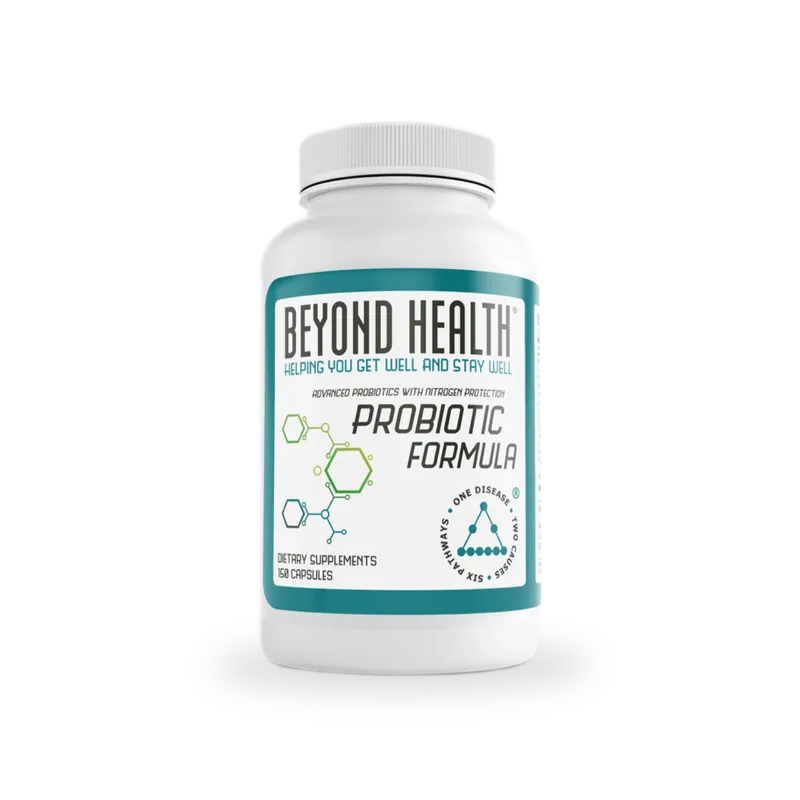
Best Digestive Health Supplements for Bloating and Gut Issues
Digestive health supplements can reduce bloating and improve gut function, but the right choice depends on your specific symptoms and underlying causes. Whether you're dealing with occasional gas, persistent bloating, or sluggish digestion, targeted supplementation combined with lifestyle changes often makes the biggest difference. This guide covers the top formulas, how to use them effectively, and what to look for when choosing the right supplement for your gut.
Understanding Your Bloating and Digestive Symptoms
Bloating stems from multiple sources: gas buildup, slow transit, food sensitivities, inflammation, or dysbiosis (imbalanced gut bacteria). Before choosing digestive health supplements, identify your main symptom pattern. Do you bloat after specific meals, feel full quickly, or experience constant discomfort? Does your bloating worsen by evening or accompany digestive sounds?
Common triggers include fiber intake changes, fatty foods, dairy, refined carbs, and high-FODMAP foods. Once you pinpoint whether your issue is gas, constipation, inflammation, or bacterial imbalance, you can match the right supplement category.
Key Ingredients in Top Digestive Health Supplements
The most effective digestive health supplements include:
- Digestive enzymes (amylase, protease, lipase) to break down carbs, proteins, and fats
- Probiotics and prebiotics to restore healthy bacteria
- Berberine to support balanced gut bacteria and glucose metabolism
- Ginger and turmeric for inflammation and motility
- Fennel, peppermint, and caraway for gas relief and cramping
- L-glutamine to support the intestinal lining
Digestive health supplements formulated with enzyme blends work quickly for post-meal bloating, while berberine supplement options target the underlying bacterial balance over weeks. Anti-inflammatory ingredients matter if inflammation drives your symptoms. Anti inflammatory supplements with turmeric or ginger reduce gut inflammation that causes pain and bloating.
Comparing Supplement Approaches for Different Issues
| Symptom | Best Supplement Type | Why It Works |
|---|---|---|
| Gas and bloating after meals | Digestive enzymes | Breaks down food so less ferments in your gut |
| Constipation and sluggish digestion | Berberine or magnesium | Supports motility and healthy bacterial balance |
| Chronic inflammation and pain | Anti-inflammatory formulas | Reduces inflamed tissues in the digestive tract |
| Overall gut imbalance | Probiotic blend | Restores beneficial bacteria populations |
Most people see the fastest results combining digestive enzymes with an anti-inflammatory or probiotic approach. Liver detox formulas also support digestive health indirectly by reducing the toxic load your gut must process.
How to Use Digestive Health Supplements Effectively
Timing and consistency matter. Take enzyme-based digestive health supplements right before or with your first bite of food so they have maximum contact with your meal. Probiotics and berberine work better on an empty stomach with water, taken at a consistent time each day.
Start with one supplement for 2 to 4 weeks before adding another, so you can identify what actually works for you. Doubling the dose does not speed results and may cause temporary changes in bowel habits. Most people notice improvements in bloating within 3 to 7 days with enzymes, or 2 to 4 weeks with probiotics and berberine.
Continue basic habits: drink water, eat slowly, include soluble fiber gradually, and manage stress. Digestive health supplements amplify these behaviors but do not replace them.
Who Benefits Most from Digestive Health Supplements
Digestive health supplements are ideal for people with:
- Occasional or chronic bloating that disrupts daily life
- Food sensitivities or suspected dysbiosis
- A history of antibiotics or poor diet
- Aging-related decline in enzyme production
- Inflammation or pain tied to digestion
If you also experience fatigue, brain fog, or low energy, consider adding b vitamin complex for energy or vitamin b complex for energy, since B vitamins support energy metabolism and digestive enzyme function. Joint and digestive health often improve together when inflammation is addressed; joint health supplements and digestive formulas work synergistically for whole-body wellness.
If you have diagnosed conditions like IBS, SIBO, or IBD, work with a healthcare 内部内部路由信息信息 to choose digestive health supplements that complement your treatment.
Where to Buy and Current Offers
Quality matters with digestive health supplements because fillers and low-potency blends do not deliver results. Beyond Health offers third-party tested formulas at competitive prices. Grab the code for 10% off all orders, or check the latest price and shipping before checkout. This discount applies to all their digestive, anti-inflammatory, and detox formulas, so it is a good time to stock up if you are starting a regimen.
Start with one core supplement, track your symptoms for a few weeks, then expand your stack based on results. Most people find their bloating and gut function improve noticeably within the first month.
 Shopping at Beyond Health? See today's verified Beyond Health discount code
Frequently asked questions
What is the best digestive health supplement for bloating?
The best depends on your cause: digestive enzymes for post-meal bloating, berberine for dysbiosis, or anti-inflammatory formulas for gut inflammation. Start with one and assess results over 2 to 4 weeks before adding another.
How long does it take for digestive health supplements to work?
Enzyme-based formulas often show results in 3 to 7 days, while probiotics and berberine typically take 2 to 4 weeks to noticeably reduce bloating and improve digestion.
Can I take digestive health supplements with other medications?
Most digestive supplements are safe, but berberine and some herbs can interact with blood sugar, blood pressure, or immune medications. Check with your doctor or pharmacist if you take prescription drugs.
Do digestive health supplements replace diet and lifestyle changes?
No. Supplements work best alongside adequate water, slow eating, stress management, and gradual fiber intake. They amplify good habits but cannot offset poor diet or high stress alone.
Is berberine supplement better than probiotics for gut health?
They work differently: berberine supports healthy bacteria populations and metabolic balance, while probiotics directly introduce beneficial bacteria. Many people benefit from both used together.
What ingredients should I look for in anti inflammatory supplements for the gut?
Look for turmeric (curcumin), ginger, bone broth collagen, L-glutamine, and aloe vera. These address gut inflammation without harsh side effects and pair well with digestive enzymes and probiotics.