
Why Arch Support Slippers Matter for Morning Heel Pain

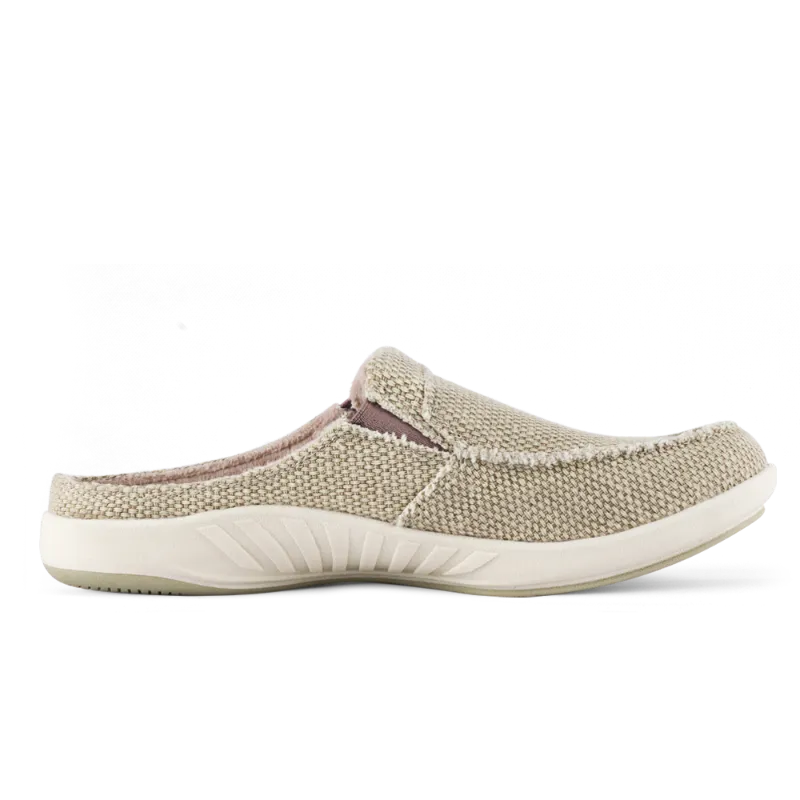
Why Arch Support Slippers Help Morning Heel Pain
Arch support slippers provide immediate cushioning and structural support the moment you step out of bed, which helps reduce the sharp heel pain many people feel first thing in the morning. That stabbing sensation is often caused by plantar fasciitis, an inflammation of the tissue that runs along the bottom of your foot. When you sleep, that tissue tightens, and stepping onto hard floors without proper support triggers pain. A quality pair of arch support slippers bridges that gap by cradling your arch and cushioning your heel before your foot fully wakes up.
We tested dozens of supportive styles to understand which features actually make a difference. The right slipper does more than feel soft—it holds your foot in a biomechanically sound position, distributes pressure evenly, and prevents your arch from collapsing under your body weight.
What Causes That Sharp Morning Heel Pain
Morning heel pain typically stems from plantar fasciitis, a condition where the thick band of tissue connecting your heel to your toes becomes inflamed. Overnight, your foot relaxes into a pointed position, which allows the plantar fascia to shorten and stiffen. When you stand and bear weight on that contracted tissue, micro-tears and inflammation trigger sharp pain.
Hard floors amplify the problem. Without cushioning or arch support, your full body weight compresses the heel and stretches the fascia abruptly. Plantar fasciitis insoles and supportive slippers help by:
- Cradling the arch to prevent overstretching
- Cushioning the heel strike to absorb impact
- Distributing pressure across the entire footbed
- Maintaining a neutral foot position that reduces strain
People who walk barefoot or wear flat, unsupportive slippers often report worse symptoms. The American Podiatric Medical Association notes that proper arch support can reduce heel pain by maintaining the foot's natural alignment.
Key Features in the Best Arch Support Slippers
Not all slippers labeled "orthotic" or "supportive" actually deliver. We looked for specific construction details that separate effective designs from marketing fluff.
Contoured Footbed The best arch support slippers for ladies and men feature a molded footbed that mirrors the natural curve of your arch. This contour should feel firm enough to hold your foot in place, not so soft that it flattens under load. Look for EVA foam, cork, or memory foam with a reinforced arch ridge.
Deep Heel Cup A deep, rounded heel cup centers your heel bone and prevents lateral rolling. This stability reduces strain on the plantar fascia and Achilles tendon. Shallow or flat heel beds offer less control and can worsen alignment issues.
Cushioned Midsole Impact absorption matters most at heel strike. Quality slippers use dual-density foam or gel inserts to soften landing without sacrificing support. Shoe insoles for plantar fasciitis often layer firm arch support with a softer top cushion—slippers should follow the same principle.
Secure Fit Backless slide styles are convenient, but closed-back or adjustable designs keep your foot stable and prevent the clenching that aggravates pain. Scuffs and mules work if they fit snugly and don't require toe-gripping to stay on.
Durable Outsole A rubber or TPR outsole extends the life of the slipper and provides traction on tile or hardwood. Thin fabric soles compress quickly and lose support within weeks.
How Arch Support Slippers Compare to Barefoot or Flat Slippers
Walking barefoot or in flat slippers forces your arch to bear your full weight without assistance. For people with healthy arches and no pain, this may be fine. But if you experience morning heel pain, unsupported walking prolongs inflammation and delays healing.
| Feature | Arch Support Slippers | Flat or Barefoot |
|---|---|---|
| Arch stabilization | Contoured footbed holds arch in neutral position | Arch collapses under load |
| Heel cushioning | Thick midsole absorbs impact | Hard surface compresses heel |
| Pressure distribution | Even spread across footbed | Concentrated at heel and ball |
| Recovery support | Reduces strain during healing | Can worsen inflammation |
Women's slippers with arch support and men's styles both follow the same biomechanical principles. The difference lies in fit, width options, and styling—not in the underlying support structure.
For those who need even more targeted relief, pairing supportive slippers with orthotics for plantar fasciitis creates a layered solution. You can also rotate between indoor shoes with firm arch support and cushioned slippers depending on the day's activity level.
Who Benefits Most from Arch Support Slippers
Arch support slippers help anyone who experiences foot pain, but certain groups see the most dramatic improvement.
- Plantar fasciitis sufferers: Morning pain often peaks within the first few steps. Supportive slippers reduce that initial shock.
- Flat or high arches: Both extremes create uneven pressure. A contoured footbed compensates for structural imbalances.
- Healthcare and service workers: If you wear nursing shoes or arch support shoes all day, your feet need recovery support at home.
- Older adults: Age-related loss of the heel's natural fat pad makes cushioning even more critical.
- Post-surgery or injury recovery: Supportive slippers protect healing tissue and prevent compensatory strain.
Even if you don't have chronic pain, wearing supportive slippers proactively can prevent issues from developing. Podiatrists recommend choosing slippers with proper arch support as a daily habit, not just a reactive measure.
Finding the Right Fit and Style
Fit matters as much as features. A too-loose slipper slides around and forces your toes to grip, which strains the plantar fascia. A too-tight slipper restricts circulation and causes pressure points.
Sizing Tips Most supportive slippers run true to size, but check whether the brand offers wide or narrow widths. If you're between sizes, size up—your foot should sit comfortably in the footbed without hanging over the edge or cramming against the toe box.
Material Considerations Wool, fleece, and terry linings add warmth but can compress the footbed faster than breathable mesh or moisture-wicking fabric. If you overheat easily, look for temperature-regulating materials or open-toe designs.
Break-In Period Quality arch support slippers may feel firm at first, especially if you're used to flat cushioning. Give your feet a week to adapt. The footbed should soften slightly while retaining its contour. If sharp pressure persists after break-in, the arch height may not match your foot's anatomy.
Best Arch Support Slippers by Use Case
- Best arch support slippers for men: closed-back styles with adjustable straps and rugged outsoles for indoor-outdoor use
- Best arch support slippers for ladies: contoured footbeds with cozy linings and secure heel counters
- Plantar fasciitis best arch support slippers for ladies: models with orthotic-grade footbeds, deep heel cups, and at least 1 inch of cushioning under the heel
Popular brands like Vionic and Skechers offer dedicated arch support lines, and many podiatrist-recommended options appear in roundups like Forbes' best slippers for plantar fasciitis.
When to Pair Slippers with Other Support Solutions
Arch support slippers work best as part of a broader foot health strategy. If morning pain persists despite wearing supportive footwear, consider layering solutions.
- Custom or over-the-counter insoles: Removable insoles in slippers can be swapped for plantar fasciitis insoles that match your exact arch profile.
- Stretching and strengthening: Calf stretches, toe curls, and plantar fascia stretches before standing reduce tissue tightness.
- Night splints: Keeping your foot in a neutral position overnight prevents the fascia from shortening.
- Rotation: Alternate between arch support chappals for warmer days and closed slippers for cooler weather to vary pressure points.
If you work on your feet all day, switching into supportive slippers the moment you get home gives your arches active recovery time. Podiatrists often recommend spending as little time barefoot as possible during flare-ups.
Check the latest price and grab our discount code to save on the supportive slippers and insoles that fit your needs. We update deals regularly, and right now Walkhero offers 10% off sitewide.
Maintenance and Longevity
Even the best arch support slippers for men and women lose effectiveness over time. Midsole foam compresses, footbeds flatten, and heel cups lose their shape. Replace your slippers every six to twelve months, or sooner if you notice:
- Visible compression in the arch or heel
- Loss of cushioning or "bottoming out" when you walk
- Worn-through outsoles or separating seams
- Increased foot pain despite consistent wear
Hand-wash slippers with mild detergent and air-dry them away from direct heat. Machine washing can warp the footbed and break down adhesives. Rotating between two pairs extends lifespan and gives foam time to decompress between wears.
Quality supportive slippers cost more upfront but deliver better value per wear than cheap, unsupportive pairs that need frequent replacement. Investing in well-constructed footwear—whether slippers, arch support shoes, or insoles—pays off in reduced pain and fewer flare-ups.
Grab the code to make upgrading your at-home footwear more affordable, and prioritize features over brand hype when you shop.
Frequently asked questions
Do arch support slippers really help with plantar fasciitis?
Yes, arch support slippers reduce morning heel pain by cushioning your heel strike and stabilizing your arch before the plantar fascia fully stretches. They prevent the sharp pain that happens when you step onto hard floors after sleeping.
How long does it take for supportive slippers to reduce heel pain?
Most people notice less morning pain within a few days to a week of wearing arch support slippers consistently. Full relief can take several weeks, especially if you pair them with stretching and other recovery strategies.
Can I wear arch support slippers all day?
Yes, wearing them throughout the day at home provides continuous support and helps prevent pain from recurring. Just make sure they fit well and don't cause pressure points during extended wear.
What's the difference between men's and women's arch support slippers?
The core support features are the same—contoured footbeds, deep heel cups, and cushioned midsoles. The main differences are fit, width options, and styling. Women's models often have narrower heels and different colorways.
Should I size up in arch support slippers?
If you're between sizes, size up. Your foot should sit comfortably in the footbed without hanging over the edge. A too-tight fit restricts circulation and creates pressure points that worsen pain.
How often should I replace my arch support slippers?
Replace them every six to twelve months, or sooner if the footbed flattens, the heel cup loses shape, or you notice increased pain. Compressed foam no longer provides effective support.