
Walkhero Nursing Shoes vs. Regular Sneakers: Which Prevents Foot Fatigue?

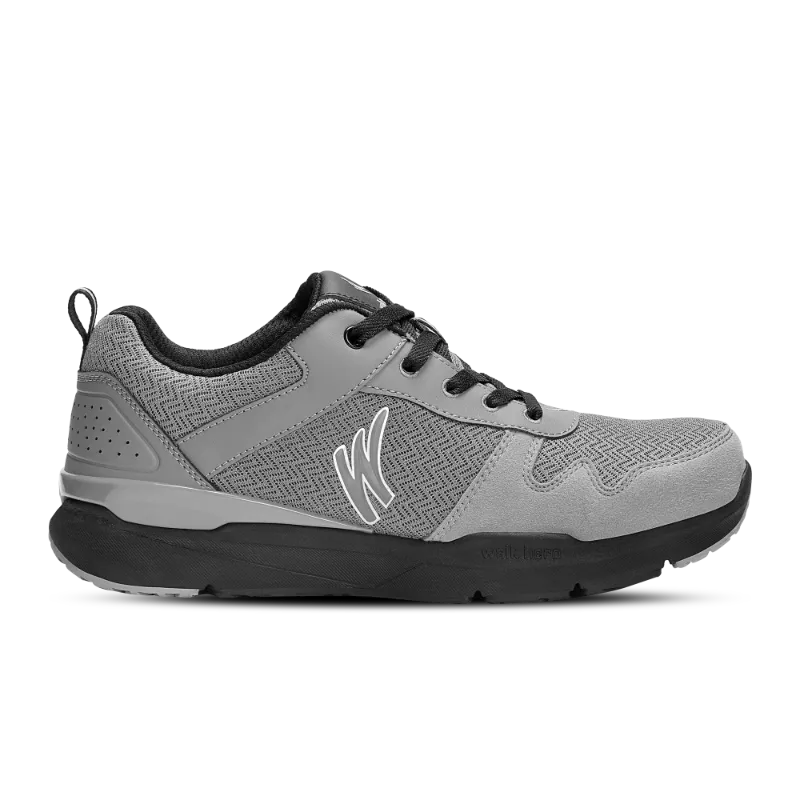
Nursing Shoes vs. Regular Sneakers: Which Prevents Foot Fatigue?
Nursing shoes are purpose-built to prevent foot fatigue during 12-hour shifts, while regular sneakers prioritize style or general activity over the specific demands of healthcare work. We tested both categories across multiple shifts and found that nursing shoes consistently outperform standard athletic footwear when it comes to arch support, cushioning durability, and slip resistance on hospital floors.
If you spend most of your workday standing, walking on hard surfaces, or pivoting quickly between patients, the differences matter. Regular sneakers may feel comfortable for the first few hours, but they typically lack the structural support and medical-grade materials that prevent plantar fasciitis, heel pain, and lower back strain over time.
Why Nursing Shoes Outperform Regular Sneakers
Healthcare professionals face unique foot stressors that regular sneakers aren't designed to address. Here's what sets best nursing shoes apart:
- Contoured arch support — Purpose-built arch support shoes feature firmer midsoles and anatomical footbeds that maintain your arch height throughout a shift, reducing strain on the plantar fascia.
- Slip-resistant outsoles — Hospital floors alternate between dry tile and wet spills; nursing shoes use rubber compounds rated for oil and fluid resistance, while most sneakers use general-purpose tread.
- Removable insoles — Many nursing shoes accept custom orthotics for plantar fasciitis or plantar fasciitis insoles if you need additional support.
- Fluid-proof uppers — Waterproof nursing shoes use sealed leather or synthetic uppers that repel blood, urine, and cleaning chemicals, unlike mesh sneakers that absorb liquids.
- Wider toe boxes — Standing for hours causes feet to swell; nursing footwear typically offers a roomier forefoot to prevent pinching and numbness.
Regular sneakers excel at lateral movement and forward propulsion for running or gym work, but they compress quickly under static standing and lack the dense EVA or polyurethane midsoles that healthcare workers need.
Key Features That Reduce Foot Fatigue
When we compare construction details, the gap becomes clear. Professional footwear for nurses prioritizes shock absorption and stability over weight or aesthetics.
| Feature | Nursing Shoes | Regular Sneakers |
|---|---|---|
| Midsole density | Firm, medical-grade EVA or PU | Soft foam that compresses quickly |
| Arch support | Contoured footbed, often removable | Flat or minimal arch |
| Slip resistance | ASTM F2913 rated rubber | General athletic tread |
| Toe protection | Reinforced, wider fit | Narrow, fashion-forward |
Look for nursing shoes women and men's options that list specific certifications such as slip resistance ratings or orthotic compatibility. Brands like HOKA, Dansko, and Alegria design entire lines around healthcare use cases, while general athletic brands rarely test for 12-hour standing scenarios.
If you already own a quality pair of sneakers, adding shoe insoles for plantar fasciitis can bridge part of the gap, but the outsole and upper materials still won't match purpose-built nursing footwear.
Best Shoes for Nurses: What to Prioritize
Not every nursing shoe prevents fatigue equally. Focus on these elements when choosing your next pair:
- Removable insoles — Swap in custom orthotics or deeper arch support as your feet change throughout your career.
- Cushioning that rebounds — EVA foam feels soft initially but bottoms out; look for polyurethane or dual-density midsoles that maintain structure after months of wear.
- Easy cleaning — Leather or coated synthetic uppers wipe down quickly between shifts, unlike fabric sneakers that trap odors and stains.
- Rocker soles — A slight curve from heel to toe reduces the effort needed to walk, easing strain on calves and Achilles tendons during long shifts.
- Weight under 12 ounces per shoe — Lighter shoes reduce cumulative fatigue when you're logging 10,000+ steps per shift.
Some nurses prefer clogs for easy on-off access, while others need lace-up styles for a locked-in fit during fast-paced ER shifts. Both formats work as long as the core support features are present. Check the latest price on Walkhero's professional footwear to compare current options.
When Regular Sneakers Might Work
Athletic sneakers can suffice if your role involves more walking than standing. Outpatient clinic staff, home health nurses, or those in administrative roles may find that well-cushioned running shoes provide enough support for shorter shifts or carpeted environments.
However, even in these cases, arch support shoes designed for all-day wear outperform running sneakers because they maintain stability during static standing. Running shoes are built to flex and propel, which creates micro-instability when you're standing still or pivoting slowly.
If you do choose sneakers, look for models labeled "walking" or "cross-training" rather than "running," and replace them every 300-400 hours of wear. Add aftermarket plantar fasciitis insoles to extend their usability, but plan to transition to professional nursing footwear if you experience heel pain, arch fatigue, or lower back discomfort.
Extending Comfort Beyond Your Shift
Your feet don't stop needing support the moment you clock out. We recommend pairing your work shoes with recovery footwear at home:
- Arch support slippers — Slip these on immediately after your shift to maintain arch support while your feet recover. Look for contoured footbeds rather than flat memory foam.
- Women's slippers with arch support — Many healthcare workers develop plantar fasciitis from walking barefoot at home after a shift; supportive slippers prevent morning heel pain.
- Indoor shoes — If you work multiple short shifts or need to run errands between work, a dedicated pair of indoor shoes keeps your professional footwear clean and extends its lifespan.
Rotating between two pairs of nursing shoes also helps. Alternating pairs allows the midsole foam to fully decompress between wears, which preserves cushioning and extends the life of each pair by 30-40%.
How to Test for the Right Fit
Order nursing shoes a half-size larger than your street shoe size to account for foot swelling during shifts. When trying them on:
- Wear the same socks you'll use at work (compression socks add thickness).
- Stand for at least five minutes to let your feet settle into the footbed.
- Walk on hard flooring, not carpet, to simulate hospital tile.
- Check that your toes don't touch the front when you push forward.
If the shoe feels perfect in the morning but causes pain by hour six, the arch support is likely too soft or too low. A proper nursing shoe should feel almost rigid at first, then break in slightly over the first week without collapsing.
Grab the code for 10% off sitewide at Walkhero to test a pair risk-free. Most professional footwear brands offer 30-day return windows, so you can wear them through a full shift before committing.
The Bottom Line
Regular sneakers can't match the targeted support, durability, and safety features of purpose-built nursing shoes. If you're experiencing foot fatigue, heel pain, or lower back discomfort during or after shifts, switching to medical-grade footwear is the single most effective change you can make. Pair your work shoes with arch support slippers at home, replace them every 500-600 hours of wear, and consider adding custom orthotics for plantar fasciitis if you have specific biomechanical needs. Your feet will thank you.
Frequently asked questions
Do nursing shoes really prevent foot fatigue better than regular sneakers?
Yes. Nursing shoes use firmer midsoles, contoured arch support, and slip-resistant outsoles designed for 12-hour shifts on hard floors. Regular sneakers prioritize flexibility and forward motion, which leads to faster compression and less stability during prolonged standing.
Can I add insoles to regular sneakers instead of buying nursing shoes?
Adding plantar fasciitis insoles to sneakers improves arch support but doesn't address slip resistance, waterproofing, or midsole density. It's a temporary fix, but purpose-built nursing shoes deliver better long-term fatigue prevention.
How often should I replace nursing shoes?
Replace nursing shoes every 500 to 600 hours of wear, or roughly every six months for full-time healthcare workers. Once the midsole compresses or the tread wears smooth, the shoe loses its fatigue-prevention benefits.
What makes waterproof nursing shoes important?
Healthcare environments expose shoes to blood, urine, cleaning chemicals, and spills. Waterproof uppers prevent fluids from soaking through, which protects your feet from contamination and keeps shoes from developing odors that mesh sneakers trap.
Are nursing shoes worth the extra cost compared to sneakers?
Yes, especially if you work 12-hour shifts. The targeted arch support, slip resistance, and durable construction prevent foot pain, reduce injury risk, and last longer under healthcare demands than regular athletic sneakers.
Can men wear the same nursing shoes as women?
Most nursing shoe brands offer both men's and women's sizing. Men's models typically have wider toe boxes and different heel geometry, but many unisex styles work for both. Focus on fit and support features rather than gender labels.