
Can You Wear Orthotic Insoles in Any Shoe, or Do You Need Special Footwear?

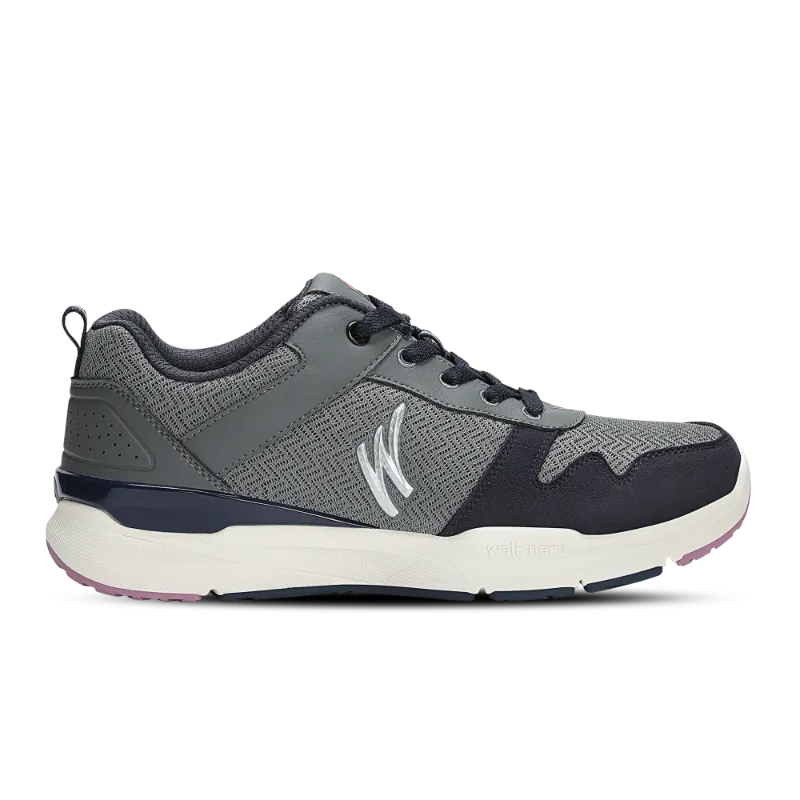
You can wear shoe insoles for plantar fasciitis in most standard shoes, but success depends on the shoe's depth, removable liner, and heel counter structure. Not every shoe will accommodate a full-length orthotic, and some styles actively work against the support your insoles provide.
We tested dozens of insoles and footwear combinations to identify which shoes work with orthotics and which don't. Here's what matters most when pairing plantar fasciitis insoles with your everyday footwear.
What Makes a Shoe Compatible with Orthotics for Plantar Fasciitis
Three factors determine whether a shoe will work with orthotics for plantar fasciitis:
- Removable insole or liner – Most athletic shoes, walking shoes, and nursing shoes come with a removable sockliner you can replace with your orthotic. Glued-in liners make it impossible to add volume without crowding your toes.
- Adequate depth – Your foot plus the orthotic must fit without pressure on the top of your toes or the bridge of your foot. Shoes labeled "orthotic-friendly" or with a deeper toe box work best.
- Firm heel counter – A stiff heel cup keeps your foot stable and lets the orthotic control motion. Soft, collapsible heels (common in ballet flats and slip-ons) undermine the correction the insole provides.
Shoes designed for long wear, like arch support shoes and professional footwear, usually meet all three criteria. Fashion sneakers and dress shoes often fail on depth or heel rigidity.
Best Shoe Types for Plantar Fasciitis Insoles
Athletic and Walking Shoes
Running shoes, cross-trainers, and walking shoes are the easiest match. They offer removable liners, generous depth, and structured heel counters. Replace the factory insole with your shoe insoles for plantar fasciitis, and you're set. Look for models marketed for stability or motion control if you overpronate.
Work and Nursing Shoes
Occupational footwear built for all-day standing usually accommodates orthotics without modification. Nursing shoes and service-industry clogs often feature removable footbeds and roomy toe boxes, making them ideal for custom or over-the-counter insoles.
Casual Sneakers and Everyday Shoes
Canvas sneakers, leather trainers, and casual lace-ups work if they have a removable liner and enough interior volume. Test by removing the factory insole and checking whether your orthotic lies flat without buckling at the edges.
Sandals and Open Footwear
Standard arch support chappals and arch support slippers come with built-in orthotic support, so you don't need separate insoles. If you want to add your own orthotic to a sandal, look for deep footbeds and adjustable straps. Most flip-flops and slide sandals lack the structure to hold an insole in place.
Indoor and House Shoes
For home wear, women's slippers with arch support and indoor shoes designed with orthotic footbeds spare you from swapping insoles. If you prefer to use your own inserts, choose slippers with removable liners and a closed heel.
Shoes That Don't Work with Plantar Fasciitis Orthotics
Certain styles are incompatible with aftermarket insoles, no matter the brand:
- Dress flats and ballet flats – Too shallow and often lack a heel counter.
- High heels and pumps – Narrow toe boxes and angled footbeds prevent proper orthotic placement.
- Minimalist and zero-drop shoes – Designed for barefoot biomechanics; adding an orthotic defeats the purpose and creates instability.
- Fashion boots with molded insoles – If the liner is glued or molded, you can't swap it out.
If you need dress shoes for occasional wear, look for styles with a lower heel (under 2 inches), a wider toe box, and a removable insole. Some brands now offer dressier plantar fasciitis shoes for women with built-in arch support.
How to Test Fit Before You Commit
- Remove the factory insole – If it's glued in or doesn't come out cleanly, the shoe won't accommodate an orthotic.
- Place your orthotic inside – Check that it lies flat without curling at the edges or lifting at the heel.
- Put the shoe on and stand – Your toes should not touch the front, and you shouldn't feel pressure on the top of your foot. Walk a few steps to confirm the orthotic doesn't slide or bunch.
- Check heel fit – Your heel should sit securely in the cup without slipping. A loose heel means the shoe's counter isn't firm enough to work with the orthotic.
If the fit feels tight, try going up a half size. Adding an orthotic increases volume, and most people need slightly larger shoes to compensate.
Do Walkhero Insoles Work in Standard Shoes?
Walkhero insoles are designed to fit most athletic and casual shoes with removable liners. They offer full-length support and come in trim-to-fit sizes, so you can adjust them to match your shoe's interior. For current pricing and to grab the code, visit the store page – we keep a 10% discount active sitewide.
The brand's best insoles for plantar fasciitis include contoured arch support and cushioned heel cups, which work well in deeper shoes but may crowd shallow sneakers. If you wear low-profile footwear, consider a 3/4-length orthotic instead of a full insole.
When to Choose Shoes with Built-In Support Instead
If you don't want to manage separate insoles, arch support shoes and best shoes for plantar fasciitis with integrated orthotic footbeds are a simpler option. These shoes combine the structure and correction you need without requiring you to swap insoles between pairs.
Built-in support works best if you have one or two go-to pairs for most activities. If you rotate through multiple shoes daily, removable shoe insoles for plantar fasciitis give you more flexibility and let you move your orthotics between pairs as needed.
Sizing and Break-In Tips
- Go up a half size if the shoe feels snug after adding the orthotic.
- Wear the orthotics gradually – Start with a few hours per day and increase over a week to let your feet adapt.
- Check for heel slippage – If your heel lifts when you walk, the shoe's counter is too soft, or the orthotic isn't seated properly.
- Monitor pressure points – Hot spots on the top of your foot or at the arch mean the shoe doesn't have enough depth. Don't try to force the fit.
Most orthotics take 5 to 10 days to feel natural. If discomfort persists beyond two weeks, reassess the shoe-insole pairing rather than blaming the orthotic.
Where to Buy Compatible Footwear and Insoles
You can find orthotic-friendly shoes and insoles at athletic retailers, specialty footwear stores, and online. For best insoles for heel pain and verified discounts, check the latest price on our coupon page before you order.
If you're searching locally for brands like Dr. Scholl's, check sporting goods stores and pharmacies – many carry dr scholl's plantar fasciitis insoles near me in stock. For Walkhero and similar online brands, ordering direct often includes free returns, so you can test fit at home.
Frequently asked questions
Can you wear shoe insoles for plantar fasciitis in running shoes?
Yes, most running shoes have removable liners and enough depth to accommodate plantar fasciitis insoles. Remove the factory insole first and replace it with your orthotic for the best fit.
Do I need to buy a larger shoe size when using orthotics?
Many people go up a half size to account for the added volume of an orthotic insole. Test the fit by standing and walking – your toes should not touch the front, and you should not feel pressure on top of your foot.
Can I use plantar fasciitis insoles in dress shoes?
It depends on the shoe's depth and whether the insole is removable. Most dress flats and heels are too shallow. Look for dressier styles with a lower heel, a removable liner, and a wider toe box.
Will orthotics work in sandals or slippers?
Standard sandals and slippers rarely accommodate separate insoles. Choose sandals with deep footbeds and adjustable straps, or opt for arch support slippers with built-in orthotic support instead.
How do I know if my shoe is too shallow for an orthotic?
If you feel pressure on the top of your foot or toes after inserting the orthotic, the shoe is too shallow. The orthotic should lie flat without curling, and your foot should not feel crowded when you stand.
Are Walkhero insoles compatible with nursing shoes?
Yes, Walkhero insoles fit most nursing shoes and professional footwear with removable liners. Nursing shoes are typically designed with enough depth and a firm heel counter, making them ideal for orthotic use.