

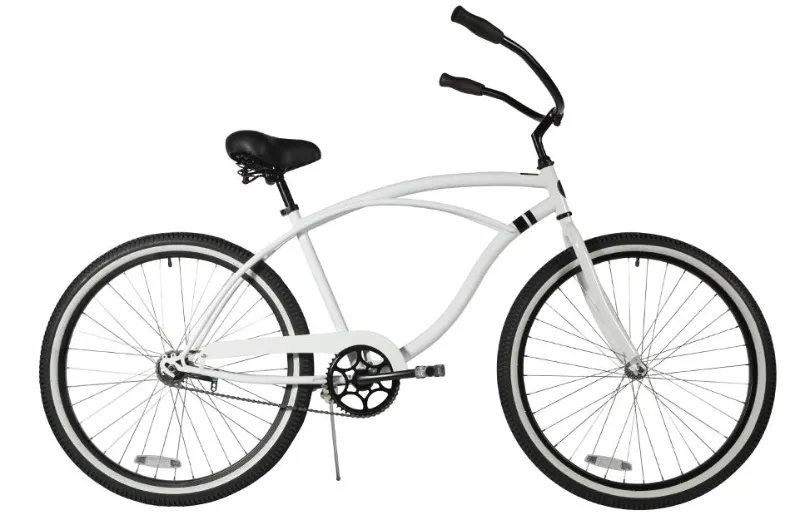
A cruiser bicycle delivers a more versatile frame geometry and tire design suited to varied terrain, while a beach cruiser focuses purely on relaxed, upright comfort for flat seaside or neighborhood rides. Both share the classic laid-back aesthetic, but your choice hinges on where you ride most and how much flexibility you need. We tested Sole Bicycle's lineup to help you pick the model that matches your real-world riding style, whether that's cruising boardwalks or exploring mixed surfaces.
What Defines a Cruiser Bicycle vs Beach Cruiser
The terms overlap, but the differences matter. A cruiser bicycle typically features wider tire clearance, a slightly more aggressive geometry, and components that handle light gravel or park paths without fuss. Beach cruisers lean into a fully upright seating position, coaster brakes, and balloon tires optimized for sand-adjacent pavement and slow, stable rides.
Sole Bicycle builds both categories with steel frames and retro styling, but the men's beach cruiser leans heavier on comfort with swept-back bars and a sprung saddle, while their standard cruiser models offer hand brakes and gearing options for riders who occasionally venture off the boardwalk. If you only ride flat, paved routes near the coast, a beach cruiser's single-speed simplicity and coaster brake are plenty. If you want one bike for errands, park loops, and weekend exploring, a cruiser bicycle with hand brakes and modest gearing delivers more range.
Riding Terrain and Handling Differences
Beach cruisers excel on smooth, flat surfaces where you never need to stop quickly or climb. The coaster brake (you pedal backward to stop) works fine at low speeds but offers less control on descents or in traffic. The upright posture and wide handlebars make steering stable but slow to react.
A cruiser bicycle handles the same flat terrain but also manages:
- Packed gravel paths thanks to slightly knobby or semi-slick tire options
- Moderate hills if equipped with a few gears or a single-speed freewheel instead of a coaster hub
- Urban commuting where hand brakes give you confidence in stop-and-go traffic
- Light trail riding on well-maintained park routes
If your area has any elevation change or you plan to ride beyond the beach, the added control of a cruiser bicycle outweighs the simplicity of a coaster brake. Check Sole Bicycle's latest pricing and our discount code to compare both styles with 15% off.
Comfort, Geometry, and Riding Position
Both bikes prioritize comfort, but they achieve it differently. Beach cruisers place you bolt upright with your arms almost straight, removing weight from your wrists and putting it on your sit bones. The saddle is wide and often sprung. This works beautifully for 20-minute beach rides but can fatigue your lower back on longer trips because your core does all the stabilizing work.
Cruiser bicycles use a slightly more forward hand position and a less extreme saddle angle, distributing weight across more contact points. You still sit upright, but your arms and core share the load, making 45 to 60-minute rides more sustainable. The men's beach cruiser ships with Sole's classic sprung saddle and swept bars, ideal if your rides stay short and scenic.
Gearing, Brakes, and Drivetrain Options
Most beach cruisers are single-speed with a coaster brake, which means zero maintenance but also zero adaptability. You can't shift for a hill or adjust your cadence. If you live somewhere flat, that simplicity is liberating. If not, it's limiting.
A cruiser bicycle might offer:
- Single-speed freewheel with front and rear hand brakes for better stopping power
- Three-speed internal hub for mild hills without the bulk of a derailleur
- Caliper or V-brakes that respond faster than coaster hubs in wet conditions
Sole's cruiser models lean toward simplicity but include hand brakes as standard, giving you the retro look with modern stopping confidence. If you're curious about other single-speed setups, the one gear bike showcases Sole's minimalist drivetrain design across their lineup.
Who Should Choose Each Style
| Rider Profile | Best Fit | Why |
|---|---|---|
| Flat coastal routes, short rides | Beach cruiser | Maximum comfort, zero complexity, classic aesthetic |
| Mixed terrain, errands, 30+ min rides | Cruiser bicycle | Hand brakes, gearing options, better control |
| Urban commuting with bike lanes | Cruiser bicycle | Traffic-ready braking, lighter steering response |
| Pure style and nostalgia, no performance needs | Beach cruiser | Iconic look, coaster brake simplicity |
If you value versatility and plan to grow into longer or more varied rides, start with a cruiser bicycle. If you know your routes are flat and your rides stay leisurely, a beach cruiser's simplicity and comfort are hard to beat.
Maintenance and Long-Term Ownership
Beach cruisers with coaster brakes require almost no upkeep beyond tire pressure and occasional chain lube. The internal coaster hub is sealed and lasts years without adjustment. Cruiser bicycles with hand brakes need occasional brake pad replacement and cable tension checks, but those tasks are straightforward and inexpensive.
Both styles use steel frames that handle minor dings and scratches better than aluminum, and Sole Bicycle finishes their frames with rust-resistant powder coating suited to salty air. Store either bike under cover when possible, and wipe down the chain and exposed metal after wet rides. A joe blow cycle pump keeps your tires properly inflated, which is the single biggest factor in ride comfort and tire longevity.
Making Your Final Decision
Your riding environment decides this. If you live near the beach, ride slowly, and never face hills, the men's beach cruiser delivers unmatched laid-back comfort and vintage style. If your routes vary, you occasionally carry cargo, or you want confidence in traffic, a cruiser bicycle with hand brakes and optional gearing gives you one bike that does it all.
Both bikes share Sole Bicycle's attention to retro detail and solid steel construction, so your choice comes down to function, not quality. Grab our discount code to save 15% on either style, and choose the ride that matches where your wheels actually roll. If you're still exploring other bike types, the fixed gear cycle offers a completely different experience with direct-drive efficiency for urban riders who want a more engaged pedaling feel.
We recommend test-riding both if possible, but if that's not an option, default to the cruiser bicycle for flexibility or the beach cruiser for pure, simple comfort on flat ground.
 Shopping at Sole Bicycle? See today's verified Sole Bicycle discount code
Frequently asked questions
Can a cruiser bicycle handle gravel paths and light trails?
Yes, most cruiser bicycles feature wider tire clearance and semi-slick or lightly treaded tires that handle packed gravel and well-maintained park trails without issue. They won't replace a mountain bike, but they manage mixed surfaces better than a pure beach cruiser.
Do beach cruisers work well for commuting to work?
Beach cruisers are best for short, flat commutes under three miles. The coaster brake and single-speed drivetrain limit your control in traffic and on hills, making a cruiser bicycle with hand brakes a safer, more versatile commuting choice.
What's the difference between a coaster brake and hand brakes?
A coaster brake engages when you pedal backward and is common on beach cruisers for simplicity and low maintenance. Hand brakes on cruiser bicycles offer faster, more precise stopping power, especially in wet conditions or traffic.
Are Sole Bicycle's cruisers suitable for taller riders?
Sole offers multiple frame sizes across their cruiser and beach cruiser lines. Check the size chart on the product page or visit the discount code page for current sizing details and recommendations based on your inseam and height.
How often do I need to maintain a men's beach cruiser?
Beach cruisers with coaster brakes need minimal upkeep—mainly tire pressure checks, chain lubrication every few weeks, and an annual tune-up. The sealed coaster hub rarely requires adjustment, making them one of the lowest-maintenance bike styles.
Can I add gears to a single-speed beach cruiser later?
Converting a coaster-brake beach cruiser to geared is expensive and impractical because you'd need to replace the rear wheel, add shifters, and install a derailleur. If you want gearing, choose a cruiser bicycle with that option from the start.