

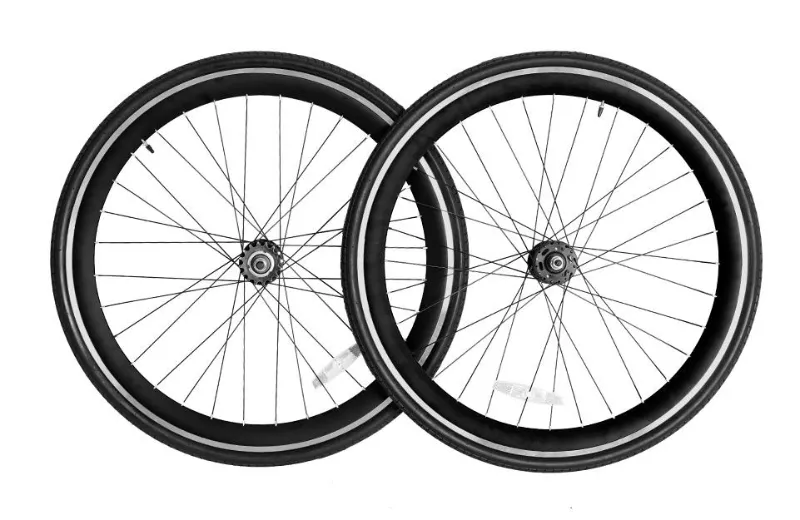
# How Long Do Fixie Rims Last and When Should You Replace Them?
If you ride a fixed gear bike daily, your rims take a beating. Between constant braking, rough city streets, and year-round weather exposure, fixie rims have a finite lifespan — and knowing when to replace them can save you from a dangerous blowout at speed. In this guide, we'll break down how long fixie rims typically last, the warning signs of worn rims, and how to get the most out of your wheelset.
How Long Do Fixie Rims Typically Last?
There's no single number, but here are realistic ranges based on riding style:
- Commuters (10–20 miles per day): 1–3 years
- Casual riders (a few rides per week): 3–5 years
- Aggressive riders (skid stops, tricks, hard braking): 6 months to 1 year
The single biggest factor for fixie riders is braking style. If you rely on front brake plus skid stops with your legs, your rear rim wears dramatically faster. Every skid grinds rubber and grit directly into the braking surface, thinning the aluminum little by little.
The Warning Signs Your Fixie Rims Need Replacing
1. A Concave or Dished Brake Track
Run your finger along the braking surface. A healthy rim feels flat. If you feel a noticeable dip or concave curve, the rim has worn thin. This is the most reliable indicator — don't ignore it.
2. Deep Grooves or Scoring
Grit embedded in brake pads can carve grooves into the rim. Shallow marks are cosmetic; deep grooves mean the braking surface is compromised.
3. Cracks Around the Spoke Holes or Valve
Inspect the eyelets and valve hole. Hairline cracks in aluminum mean the rim is at the end of its life. Cracks only spread — and they spread fast under the constant tension of a fixed gear drivetrain.
4. Rim Flex or Persistent Truing Problems
If your wheel goes out of true every few weeks no matter how often you adjust it, the rim may be fatigued. Repeated truing stress can also pull spokes through worn eyelets.
5. Worn-Through Brake Track (The Extreme Case)
In rare cases, braking wear can go all the way through. If you ever see the casing of the tire or feel the rim flex under braking, stop riding immediately and replace the rim.
Factors That Shorten Rim Life
- Skid stops — the #1 killer of fixie rear rims
- Wet, gritty conditions — sand and water act like sandpaper
- Underinflated tires — the rim takes more direct impact from potholes
- Cheap brake pads — hard pads with embedded metal wear rims faster
- Rider weight and cargo — heavier loads flex and stress the rim
How to Extend the Life of Your Fixie Rims
- Keep tires properly inflated. Check pressure weekly with a quality floor pump like the joe blow cycle pump — correct pressure protects your rims from pinch flats and pothole damage.
- Use clean, soft brake pads. Pick out embedded grit regularly.
- Rotate skid spots. Fixed gear riders should reposition their feet to distribute skid wear around the rim instead of hitting the same spot every time.
- Wipe down rims after wet rides. Removing grit dramatically slows abrasive wear.
- Buy quality from the start. A well-built set of fixie rims with a double-wall profile will outlast budget single-wall rims by years.
- Check your drivetrain too. Worn components put uneven stress on wheels — a fresh fixie crankset and a properly maintained fixed gear wheelset work together for smoother, longer-lasting rides.
Repair or Replace?
Truing a rim fixes wobbles but doesn't restore worn material. The general rule:
- Wobble only: True it and ride on.
- Concave brake track or cracks: Replace. A new set of quality fixie rims costs far less than a hospital visit.
When replacing, consider a full upgrade rather than a single rim — a matched fixed gear wheelset gives you better balance, lighter weight, and fresh hubs at the same time.
Matching Rims to the Right Bike
Not every rim suits every style of bike. If you're building or upgrading:
- Pure street riding and tricks? A dedicated fixed gear cycle with durable rims is the platform to start from.
- Prefer simplicity without the fixed cog? A one gear bike with a freewheel still rewards strong rims.
- Heading off-road? The [bicycles Terrain 26"]( /go/p/13825) mountain bike uses wider, impact-resistant rims designed for rough trails.
- Cruising the boardwalk? A cruiser bicycle or men's beach cruiser runs wider rims with heavy-duty spokes for comfort and load capacity.
- Looking for something motorized? A 24 electric bike needs reinforced rims to handle motor torque and added weight.
Don't Forget the Small Stuff
A new wheelset deserves protection. Keep a spare kryptonite key on hand so you're never stranded away from a locked-up bike, and grab a 5 panel cap for sun protection on long summer rides.
Save on Your Next Set of Fixie Rims
Ready to replace those worn rims? Before you check out, visit our Sole Bicycle discount page and grab the current offer — 15% OFF All Orders. A fresh set of fixie rims with 15% off is one of the best value upgrades you can make to your ride.
Final Thoughts
Fixie rims last anywhere from six months to five years depending on how you ride, but your rims will always tell you when they're done. Check the braking surface monthly, keep your tires inflated, and replace at the first sign of concave wear or cracks. Ride safe, and ride fast.
 Shopping at Sole Bicycle? See today's verified Sole Bicycle discount code
Frequently asked questions
How long do fixie rims last on average?
For daily commuting with a front brake and occasional skid stops, expect 1–3 years. Heavy skid stop use can wear out a rear rim in under a year, while casual weekend riders may get 3–5 years.
How do I know if my fixie rims are worn out?
Run your finger along the braking surface — a concave dip means the rim has worn thin. Also watch for cracks around spoke holes, deep grooves, and wheels that won't stay true.
Do skid stops really damage fixie rims faster?
Yes. Skid stops grind the tire directly into the rim at one spot, concentrating wear. Rotating your foot position to spread skid wear around the rim significantly extends its life.
Can I repair worn fixie rims instead of replacing them?
Truing fixes wobbles but not worn material. If the braking surface is concave or you see cracks, replacement is the only safe option.
How can I make my fixie rims last longer?
Yes — keeping tires properly inflated, using clean soft brake pads, and wiping rims after wet rides all slow abrasive wear. Buying a quality double-wall rim set from the start also makes a big difference.