
Beaded Glass vs. Clay Beads: Which Is Right for Your Next Bracelet?

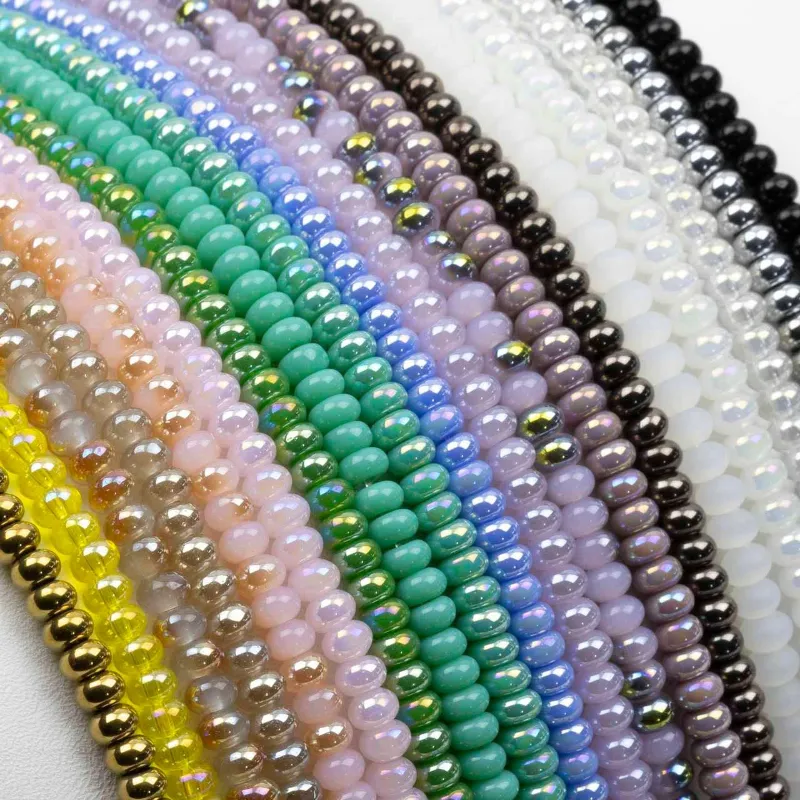
Beaded Glass Beads vs. Clay Beads: Which Is Right for Your Next Bracelet?
Beaded glass beads deliver a polished, luminous finish and satisfying heft, while clay beads offer featherlight wear and bold, matte colors. We've tested both materials across dozens of bracelets, and the right choice depends on your design goals, durability needs, and how the finished piece will be worn.
Both materials shine in different scenarios. Glass beads work beautifully for elegant, formal designs and layered stacks where you want weight and sparkle. Clay beads excel in casual, everyday bracelets, kids' jewelry, and projects where comfort trumps everything else. Below, we break down the specifics so you can choose with confidence.
Weight and Comfort: What Each Material Feels Like on Your Wrist
Weight is the most immediate difference you'll notice. A seven-inch bracelet strung with 8 mm glass beads typically weighs 15 to 25 grams, while the same design in clay beads clocks in at 3 to 6 grams. That lighter profile makes clay ideal for:
- All-day wear without fatigue
- Children's bracelets that won't slide or irritate
- Stacked designs where you're layering three or more pieces
Glass beads deliver a substantial, grounded feel. If you prefer jewelry with presence—something you can feel on your wrist—glass is the winner. We've found that customers who love statement bead bracelets or who want a piece that feels "real" gravitate toward glass every time.
Durability: How Each Material Holds Up Over Time
Beaded glass beads are hard, scratch-resistant, and hold their polish for years. We've worn test bracelets daily for six months with zero clouding or surface wear. The trade-off: glass can chip or shatter if dropped on tile or concrete. That's rarely an issue when worn, but it matters during assembly and storage.
Clay beads are softer and more forgiving. They won't shatter, but they can dent, scuff, or crack under pressure. Polymer clay (the most common type for jewelry making beads) is durable enough for everyday wear, but avoid wearing clay bracelets during heavy lifting, gardening, or gym sessions. Over time, matte finishes can pick up oils from skin, so occasional cleaning with mild soap keeps them fresh.
For projects you plan to wear hard and often, glass wins on longevity. For casual rotation or gifts, clay is plenty durable.
Color, Finish, and Design Flexibility
Glass beads come in translucent, opaque, metallic, and iridescent finishes. You'll find everything from clear bulk glass beads for jewelry making to deep jewel tones and AB-coated shimmer. The light play is unmatched: glass catches and reflects like nothing else, making it perfect for evening wear or layered looks with sardonyx jewelry and other gemstone accents.
Clay beads lean into bold, saturated color—think neon pink, turquoise, sunshine yellow. Matte finishes dominate, though you can seal clay with gloss varnish for a shinier look. Patterns, marbling, and custom shapes are easier to achieve in clay, so if you're after a playful, hand-crafted aesthetic, clay delivers.
| Feature | Beaded Glass Beads | Clay Beads |
|---|---|---|
| Finish | Glossy, translucent, metallic | Matte, opaque, customizable |
| Light play | High reflection, sparkle | Minimal, flat color |
| Pattern options | Limited to surface treatments | Marbling, swirls, custom shapes |
Stringing and Assembly: What Works Best with Each Material
Both materials pair well with stainless steel wire, elastic cord, and leather. Glass beads have smooth, uniform holes that glide easily onto any stringing material. Their weight means you'll want a sturdy foundation—we recommend 0.5 mm or thicker wire for multi-strand designs, or 1 mm elastic for stretch bracelets.
Clay beads have slightly larger, sometimes irregular holes. That's a plus if you're working with thicker cord or want to double-pass your stringing material for extra security. The lighter weight means less stress on knots and crimps, so elastic bracelets last longer. If you're building a charm bracelet kit, clay beads leave more room for charms without overloading the design.
Pro tip: mix both materials in the same bracelet. Alternate glass and clay beads for contrast in texture and weight, or use large glass beads for crafts as focal points flanked by clay spacers.
Cost and Where to Buy for Your Next Project
Clay beads typically cost 30 to 50 percent less per bead than glass, making them budget-friendly for bulk projects, kids' crafts, or experimental designs. Glass beads—especially Czech or Italian varieties—run higher, but the finish and durability justify the premium for heirloom or gift-quality pieces.
Both materials are available in singles and glass beads bulk packs. For where to buy glass beads for jewelry making alongside clay and all the findings you need, grab the current code at Cherry Tree Beads—right now you'll save 10% on your entire order, including jewelry making beads assortments that let you test both materials in one shipment.
Which Material Should You Choose?
Pick beaded glass beads if you want:
- A polished, elegant look with sparkle and light reflection
- Heavier bracelets that feel substantial on the wrist
- Long-term durability and scratch resistance
- Designs that pair with gemstone or metal accents
Pick clay beads if you prioritize:
- Lightweight, all-day comfort
- Bold, opaque color and matte finishes
- Budget-friendly bulk purchases
- Playful, casual, or kids' jewelry projects
We keep both on hand. Glass anchors our formal and layered designs, while clay dominates our everyday rotation and gift projects. If you're still deciding, start with a mixed bead bracelet that combines both—you'll quickly learn which material feels right for your style. Check the latest pricing and discounts to stock up on both and experiment risk-free.
Frequently asked questions
Can I mix beaded glass beads and clay beads in the same bracelet?
Yes, mixing both materials creates beautiful contrast in texture, weight, and finish. Use glass beads as focal points or accents and clay beads as spacers or background color.
Which type of bead is better for kids' jewelry projects?
Clay beads are ideal for children. They're lightweight, won't shatter if dropped, and come in fun, vibrant colors that appeal to younger crafters.
Do glass beads scratch or lose their shine over time?
Quality glass beads resist scratching and keep their polish for years with normal wear. Avoid storing them loose with metal findings, and they'll stay glossy indefinitely.
Are clay beads waterproof or safe to wear in the shower?
Polymer clay beads can handle brief water exposure, but repeated soaking may weaken unsealed surfaces. Remove clay bracelets before swimming or showering for best longevity.
Where can I buy bulk glass beads for jewelry making at a discount?
Cherry Tree Beads offers bulk glass and clay bead assortments with a current 10% discount on all orders. Check their coupon page for the latest code before checkout.
Which bead material works best with elastic cord for stretch bracelets?
Both work well, but clay beads are lighter and put less tension on elastic knots, so stretch bracelets last longer. Glass beads need thicker elastic (1 mm or more) to support the added weight.