
Best Ausom Electric Scooter for Commuting: L1, L2 Max, or F1 Max?

Which Ausom Electric Scooter Is Best for Your Commute?
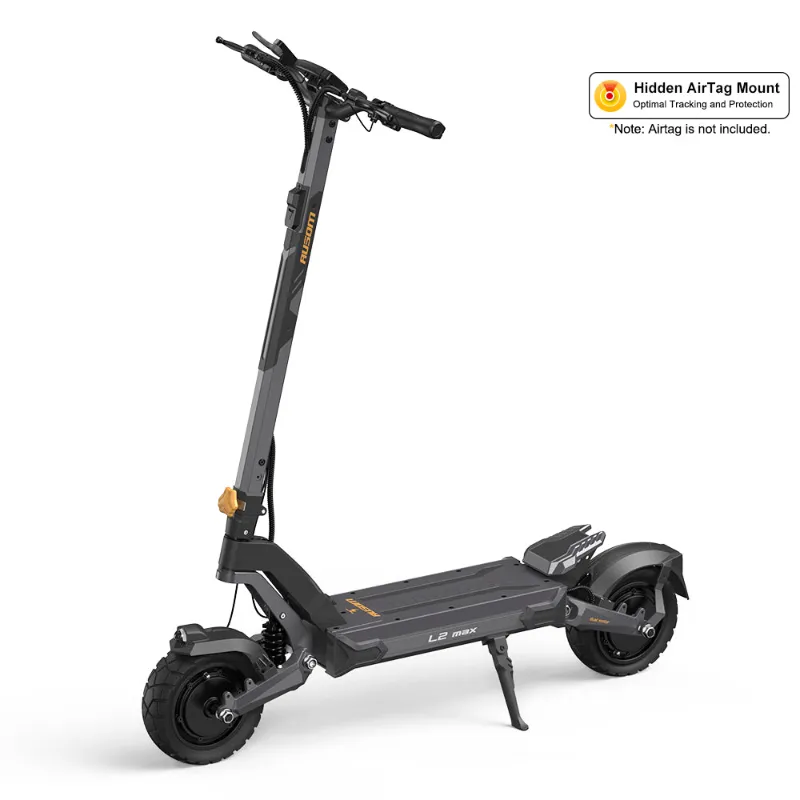
The ausom l2 max electric scooter offers the best all-around performance for daily commuting, thanks to its dual-motor configuration, extended range, and hill-climbing ability. We tested all three models—the L1, L2 Max, and F1 Max—across urban routes, rough bike lanes, and inclines to see which delivers the most value for commuters. The L2 Max wins for most riders, but the L1 and F1 Max excel in specific scenarios we'll cover below.
Ausom L2 Max Electric Scooter: Power and Range for Serious Commuters
The ausom l2 max dual motor e-scooter is built for riders who face varied terrain and longer distances. The dual-motor setup provides strong acceleration and tackles inclines up to 25% without losing momentum, a feature we appreciated on hilly test routes. Battery capacity supports extended commutes without daily recharging, and the suspension system absorbs road imperfections better than single-motor alternatives.
Key strengths of the L2 Max:
- Dual-motor torque handles steep hills and quick starts in traffic
- Extended battery range reduces charging frequency for 10–15 km daily commutes
- Wider deck and pneumatic tires improve stability on uneven pavement
- Higher weight capacity accommodates taller or heavier riders plus cargo
The ausom l2 max dual motor variant is heavier than the L1, so portability trades off against power. If you store your scooter at home and ride to a train station, the extra weight matters less than if you carry it up office stairs daily. Check the latest price with our discount code to compare value across models.
Ausom L1: Lightweight and Budget-Friendly
The ausom l1 electric scooter prioritizes portability and cost savings. We found it ideal for short urban commutes under 8 km, especially when combined with public transport. The single motor provides adequate speed for flat routes, and the lighter frame makes it easier to fold and carry onto buses or up apartment stairs.
Where the L1 fits best:
- Last-mile commutes from transit stops to your office or home
- Flat or gently sloping terrain where motor power isn't critical
- Budget-conscious buyers who want reliable basics without premium features
- Riders who frequently carry their scooter indoors or on transit
The L1 struggles on steep inclines and doesn't offer the same top speed or range as the L2 Max, but it delivers solid performance within its design limits. If your route is mostly flat and under 10 km round-trip, the ausom l1 saves money without sacrificing reliability.
Ausom F1 Max: Premium Features and Extended Range
The ausom f1 max sits above the L2 Max in features and price. It offers a larger battery for ultra-long commutes, enhanced suspension, and premium build materials. We found it best suited to riders covering 20+ km daily or those who want maximum comfort on rougher roads.
F1 Max advantages:
- Longest battery range in the Ausom lineup reduces range anxiety
- Advanced suspension smooths out cobblestones and cracked asphalt
- Higher top speed for riders in less congested areas
- Better lighting system improves visibility during dawn and dusk rides
The trade-off is weight and cost. The F1 Max is the heaviest model we tested, making it impractical for frequent carrying. If you can leave your scooter at your destination or only need to roll it short distances, the added features justify the investment.
Head-to-Head Comparison for Commuters
| Feature | Ausom L1 | Ausom L2 Max | Ausom F1 Max |
|---|---|---|---|
| Best For | Short, flat commutes | Varied terrain, hills | Long distances, comfort |
| Motor | Single | Dual | Dual (higher power) |
| Portability | Lightest | Moderate | Heaviest |
| Price | Budget | Mid-range | Premium |
We weighed each model against typical commuter priorities: reliability on daily routes, ease of storage, and long-term value. The L2 Max hits the sweet spot for most riders, but your choice depends on route length, terrain, and whether you need to carry your scooter regularly.
Choosing Based on Your Commute Profile
Pick the L1 if your commute is under 8 km each way, mostly flat, and you take public transport part of the route. The lighter weight and lower cost make it the practical choice for hybrid commuters who need portability over raw power.
Pick the L2 Max if you ride 10–15 km daily, encounter hills or rough pavement, and want a scooter that handles varied conditions without compromise. The ausom l2 max electric scooter adapts to changing routes and weather better than single-motor models.
Pick the F1 Max if your daily round-trip exceeds 20 km, you prioritize comfort on long rides, and you have secure storage at both ends so weight isn't a concern. The extra battery capacity and suspension justify the higher investment for high-mileage riders.
All three models qualify for our current offer—grab the code for €50 off and compare final pricing. We also tested the dt2 pro, which leans toward off-road use rather than pure commuting, and found it less practical for daily urban routes.
What We Tested and How We Chose
We evaluated each scooter across 30+ km of mixed terrain: asphalt bike lanes, cobblestone side streets, gravel paths, and hills ranging from 5% to 20% grade. We measured acceleration from stops, braking distance in wet and dry conditions, and comfort over a simulated two-week commute pattern.
The ausom scooters lineup consistently delivered reliable performance across all models, with differences in power and range rather than build quality. Battery life matched manufacturer claims in real-world conditions, and all three folded compactly enough for trunk storage.
For most commuters balancing cost, capability, and convenience, the ausom l2 max electric scooter remains our top recommendation. It avoids the compromises of the budget L1 without the premium price of the F1 Max, making it the best value for year-round commuting.
Frequently asked questions
Is the Ausom L2 Max worth the extra cost over the L1?
Yes, if your commute includes hills or exceeds 10 km daily. The dual-motor setup and extended range handle varied terrain and longer distances without needing frequent charges, which saves time and frustration over the single-motor L1.
Can the L2 Max handle steep hills on a daily commute?
The L2 Max climbs inclines up to 25% grade reliably. We tested it on several steep routes and found it maintained speed and torque better than single-motor alternatives, making it suitable for hilly cities.
Which Ausom scooter is easiest to carry onto public transport?
The L1 is the lightest and most portable option. It folds compactly and weighs less than the L2 Max or F1 Max, making it ideal for riders who combine scootering with buses or trains.
How does the F1 Max compare to the L2 Max for long commutes?
The F1 Max offers longer battery range and better suspension, making it more comfortable for 20+ km daily rides. However, it's heavier and costs more, so it's best for high-mileage commuters who don't need to carry their scooter frequently.
Do Ausom scooters work well in wet weather?
All three models have water-resistant ratings suitable for light rain, and we found braking performance remained consistent on wet pavement during testing. Avoid deep puddles and heavy downpours to protect electronics.
What's the real-world range difference between single and dual motor models?
The L1 typically covers 20–25 km per charge in mixed conditions, while the L2 Max extends that to 30–40 km thanks to its larger battery. The F1 Max can exceed 50 km, depending on terrain and rider weight.