
Best Headbands for High Ponytails During Workouts

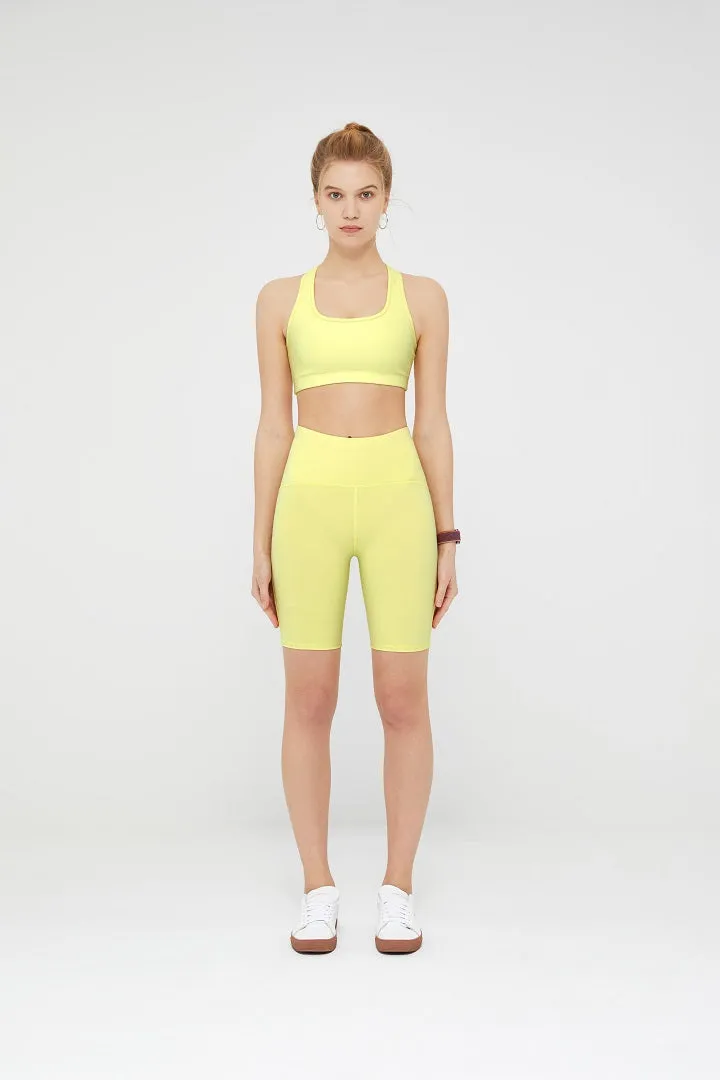
The best headbands for high ponytails during workouts feature a cutout or low-profile design that won't interfere with your hair tie placement. After testing dozens of styles through running, yoga, and HIIT sessions, we found that a headband with ponytail hole solves the friction and slipping issues that plague traditional bands. This guide breaks down what works, what doesn't, and how to pair your headband with the right activewear for every training session.
Why Traditional Headbands Fail with High Ponytails
Standard headbands sit exactly where your ponytail elastic needs to grip. The result is a bulky, uncomfortable stack that slides forward during burpees or downward dog. We watched traditional bands migrate down our foreheads within fifteen minutes of cardio, no matter how tight we adjusted them.
The ponytail itself pushes against the back of a regular headband, creating a pressure point that triggers headaches. Moisture-wicking fabrics help, but they can't fix the fundamental design flaw. That's why cutout styles have gained traction among runners and CrossFit athletes who refuse to choose between flyaway control and a secure high pony.
What Makes a Headband Work for High Ponytails
A successful design routes around your ponytail rather than fighting it. Look for these features:
- Ponytail opening or slot that sits at the crown, letting your elastic pass through without interference
- Silicone grip strips along the interior edge to anchor the band without over-tightening
- Moisture-wicking fabric like polyester blends or merino that won't turn into a sweat sponge mid-workout
- 4 to 5-inch width to cover your hairline and temples without excess bulk at the back
- Flat seams that won't dig in during floor exercises or when you're lying on a bench
We found the headband with ponytail hole checked every box. The cutout eliminates pressure points, and the fabric stays locked in place through sprints and spin classes. Check the latest price to see current offers on this style.
Pairing Your Headband with Performance Activewear
Your headband is only one piece of a sweat-proof outfit. We layer ours with gear that handles moisture just as efficiently. A long sleeve sports bra gives you coverage and compression without adding bulk under your tops, while a tank top mesh promotes airflow during hot studio sessions.
For outdoor workouts, UV protection matters as much as sweat management. A sun protection jacket shields your arms and shoulders from UV rays, and many quick-dry styles pack down small enough to tie around your waist when you warm up. Pair it with a sheer workout tops underneath for breathability, or opt for a uv protection jacket with built-in ventilation panels.
| Workout Type | Headband Style | Recommended Top Layer |
|---|---|---|
| Running (outdoor) | Ponytail cutout, wide coverage | UPF jacket or sun protection jacket |
| HIIT / CrossFit | Silicone-grip band with slot | Mesh tank top or sheer top |
| Yoga / Pilates | Soft fabric, minimal seams | Long sleeve sports bra alone |
When you're shopping for activewear bundles, grab the code to save 10% on your full order at SALTUM, including headbands and matching pieces.
Material Matters: What Holds Up Through Sweat
Cotton headbands look cute on the hanger but turn into soggy, slipping messes twenty minutes into a run. We've tested them all, and synthetic blends consistently outperform natural fibers for high-intensity training.
Polyester and nylon blends wick moisture away from your skin and dry within minutes. Spandex or elastane content (usually 10 to 20 percent) provides stretch and recovery so the band returns to its original shape after every wash. Avoid headbands with more than 5 percent cotton unless you're doing low-sweat activities like walking or stretching.
Merino wool works for cold-weather outdoor runs because it regulates temperature and resists odor, but it's overkill for indoor gym sessions. Bamboo fabric feels soft but often lacks the grip you need to keep a band in place during explosive movements.
Sizing and Fit: How Tight Is Too Tight
A headband should feel secure without leaving a red line across your forehead. If you can slide two fingers underneath the band at your temple, the fit is correct. Any tighter and you risk headaches or restricted blood flow; any looser and it will migrate during movement.
Most ponytail headbands come in one-size-fits-all designs with 20 to 24-inch circumferences. Stretchy fabrics accommodate different head sizes, but if you have a smaller head or fine hair, look for adjustable styles with Velcro or snap closures. These let you customize the tension without permanently altering the band.
Before your first workout, wear the headband around the house for thirty minutes. If it leaves a deep impression or causes discomfort, size up or try a different brand. A proper-fitting band disappears once you start moving.
Caring for Your Headband to Maintain Grip
Silicone grip strips degrade when exposed to high heat or fabric softener. We hand-wash our headbands in cool water with a drop of athletic detergent, then air-dry them flat. Machine washing is fine if you use a mesh laundry bag and skip the dryer.
Fabric softener coats the fibers and destroys moisture-wicking properties, so avoid it entirely. If your headband starts to smell even after washing, soak it in a 1:4 vinegar-to-water solution for fifteen minutes before laundering. This strips away bacteria and product buildup without damaging the elastic.
Replace your headband every six to twelve months, depending on how often you train. Once the elastic goes slack or the silicone strips wear smooth, it won't stay put during high-impact workouts.
Who These Headbands Suit Best
Ponytail headbands work for anyone who wears their hair up during exercise, but they're especially useful for:
- Runners logging high mileage who need reliable flyaway control without adjusting mid-stride
- CrossFit and HIIT athletes doing inverted movements where a traditional band would fall off
- Cyclists and spin class regulars who want sweat management without the bulk of a hat
- Yogis practicing hot or power styles where hair in your face breaks focus
If you have short hair or wear a low bun, a standard wide headband will serve you just as well. But for high ponytails, the cutout design is the best headbands for high ponytails during any workout that makes you sweat.
Building a Complete Workout Wardrobe
Once you've solved the headband issue, round out your women's clothing activewear collection with versatile layers. A sun quick dry jacket transitions from warm-up to cool-down without trapping heat, and see through workout tops add style without sacrificing function.
For year-round outdoor training, invest in a upf jacket rated for UPF 50+ sun protection. These block 98 percent of UV rays and often include thumbholes and zippered pockets for keys or gels. Layer one over your sports bra or tank, and you're covered for everything from sunrise trail runs to midday park workouts.
We keep three ponytail headbands in rotation so there's always a clean one ready. Pair them with moisture-wicking activewear, and you'll never have to choose between a secure ponytail and a headband that actually stays put. For current pricing on the full collection, visit the SALTUM discount code page and apply the 10% savings at checkout.
Frequently asked questions
Do ponytail headbands work for thick hair?
Yes, headbands with ponytail holes accommodate thick hair as long as the cutout is large enough for your elastic to pass through. Look for openings at least 2 inches wide, and choose bands with silicone grip strips to prevent sliding.
Can I wear a headband with ponytail hole for yoga?
Absolutely. The cutout design works well for yoga because it eliminates pressure points during floor poses and inversions. Choose a soft fabric blend without bulky seams for maximum comfort.
How do I keep my headband from slipping during running?
Select a headband with interior silicone grip strips and avoid cotton fabrics that get slippery when wet. Make sure the band fits snugly at your temples without causing discomfort, and consider styles with adjustable closures if you have a smaller head.
Are moisture-wicking headbands better than cotton?
Yes, for high-sweat workouts. Polyester and nylon blends wick moisture away from your skin and dry quickly, while cotton absorbs sweat and becomes heavy and loose. Synthetic fabrics maintain their grip throughout your entire training session.
What width headband works best with high ponytails?
A 4 to 5-inch width provides full coverage for your hairline and temples without adding bulk at the back where your ponytail sits. Narrower bands may not control flyaways effectively, while wider styles can interfere with your hair tie.
How often should I replace my workout headband?
Replace your headband every six to twelve months or when the elastic loses tension and the silicone grip strips wear smooth. A worn-out band won't stay in place during high-impact activities no matter how you adjust it.