
How Long Does UPF Protection Last in Athletic Wear?

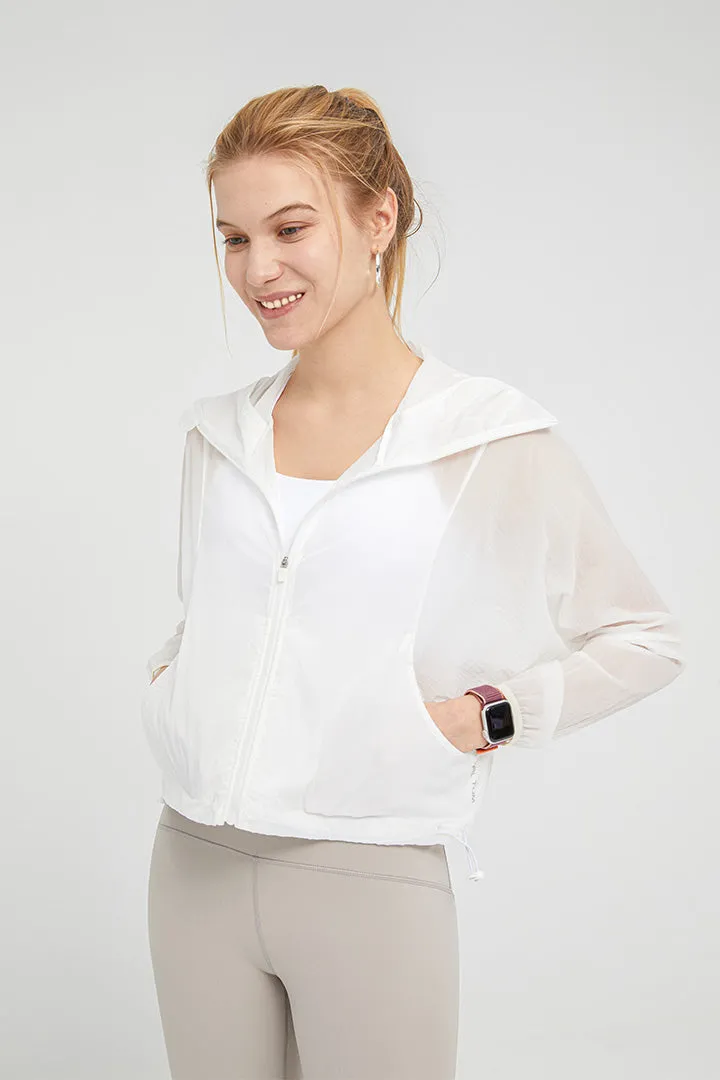
A uv protection jacket typically maintains its UPF rating for 40 to 70 washes or two to three years of regular wear, though fabric care and sun exposure significantly affect longevity. The protective properties degrade over time through washing, stretching, and UV exposure itself, making it essential to understand what shortens the lifespan and how to preserve your investment in sun-safe women's clothing activewear.
We tested multiple pieces from SALTUM's sun protection line to see how UPF holds up through typical training cycles, and we'll show you exactly what to watch for and how to maximize protection.
How UPF Protection Works in Athletic Jackets
UPF (Ultraviolet Protection Factor) measures how much UV radiation penetrates fabric. A upf jacket rated UPF 50 blocks approximately 98% of UV rays, allowing only 1/50th of UV to reach your skin.
Protection comes from two sources:
- Tight fabric weave that physically blocks UV rays
- UV-absorbing chemical treatments applied during manufacturing
- Fabric density and thickness that limits light penetration
- Synthetic fibers like polyester and nylon that naturally resist UV better than cotton
Most uv jackets combine a tight knit structure with chemical treatments to achieve UPF 50+ ratings. The fabric construction provides baseline protection, while treatments boost it to higher levels. Understanding this dual approach explains why protection fades over time.
What Degrades UV Protection in Your Jacket
Several factors accelerate the breakdown of UPF properties in your sun protection jacket:
Washing frequency: Each wash cycle strips away small amounts of chemical UV inhibitors. High-efficiency washers with aggressive agitation cause more degradation than gentle hand washing. After 40 to 70 washes, chemically treated fabrics lose a significant portion of their boosted protection, though the base fabric weave still blocks UV.
Chlorine and saltwater exposure: Pool chemicals and ocean salt break down UV treatments faster than freshwater. Rinse your sun quick dry jacket immediately after swimming to minimize damage.
Fabric stretching: When elastic fibers lose their recovery, the weave opens up and allows more UV through. Check seams, elbows, and high-stress areas where fabric thins or becomes see-through.
UV exposure itself: Ironically, the sun degrades the very protection designed to block it. Prolonged outdoor storage or leaving gear in hot cars accelerates breakdown. High-intensity UV environments like tropical beaches or high-altitude hiking stress fabrics more than temperate climates.
Heat from dryers: High heat weakens elastic fibers and can damage chemical treatments. Air-drying extends UPF lifespan significantly.
For current pricing on replacement pieces that maintain peak protection, check our discount code for 10% off.
How Long Different Fabric Types Maintain UPF
Not all sun protective athletic wear ages the same way. Here's what we found testing lightweight uv protection jacket options and other activewear:
| Fabric Type | Expected UPF Lifespan | Best For |
|---|---|---|
| Tightly woven polyester | 60-70 washes | UV protection jacket for daily training |
| Nylon blends | 50-60 washes | Quick-dry pieces like running shells |
| Mesh panels | 30-40 washes | Tank top mesh with ventilation |
| Cotton blends | 20-30 washes | Casual wear, not athletic use |
Fully synthetic fabrics like those in a quality uv protection jacket for summer outlast natural fiber blends. The molecular structure of polyester and nylon resists UV degradation better than cotton or rayon, which break down under sun exposure.
Mesh and sheer fabrics pose a unique challenge. While sheer workout tops offer breathability, their open weave provides less inherent protection. These pieces rely more heavily on chemical treatments, which means their UPF drops faster than solid-weave garments. If you wear see through workout tops for ventilation, replace them more frequently or layer them over a long sleeve sports bra for extended sun sessions.
Signs Your UV Protection Jacket Needs Replacing
Watch for these indicators that UPF protection has degraded:
- Visible thinning: Hold the fabric up to bright light. If significantly more light passes through than when new, the weave has opened up and protection has dropped.
- Loss of elasticity: Fabric that stays stretched out or sags allows more UV penetration.
- Fading color: While color itself doesn't determine UPF, severe fading indicates chemical breakdown that likely affected UV inhibitors too.
- Pilling or surface damage: Rough, pilled fabric has compromised structure.
- Persistent odor retention: This signals bacterial buildup in broken-down fibers, which correlates with overall fabric degradation.
Brands like Nike and others test their sportswear UV-protective jackets to specific standards, but real-world wear often differs from lab conditions. Trust your eyes and hands as much as the original hang tag.
Extending the Life of Your UPF Activewear
We preserve UPF protection in our test gear with these practices:
Wash less frequently: Spot-clean when possible. Air out pieces between wears instead of washing after every single session. Athletic fabrics dry quickly and resist odor better than cotton, making this practical for women's clothing activewear.
Use gentle detergent: Skip fabric softeners and harsh stain removers, which coat or strip fibers. Cold water on a delicate cycle minimizes mechanical stress.
Air dry exclusively: Heat damages both elastic recovery and UV treatments. Hang your lightweight uv protection jacket in shade, not direct sun.
Store properly: Keep gear in a cool, dark closet rather than in your car or garage where heat and UV accelerate aging.
Rinse after salt or chlorine: Immediately rinse swimwear and beach gear with fresh water.
Rotate your pieces: Owning two or three UV jackets and rotating them reduces wear on each individual piece. Grab our code to build a rotation affordably.
Some manufacturers now offer UV rejuvenation sprays that claim to restore protection, though independent testing shows mixed results. The most reliable approach remains proper care and timely replacement.
Who Should Replace UV Protection More Often
Certain athletes and outdoor enthusiasts need to refresh their sun protective gear on a shorter cycle:
- Triathletes and swimmers: Chlorine exposure cuts UPF lifespan by 30-40%. Budget for annual replacement of pool-worn pieces.
- Trail runners and hikers at altitude: Intense UV at elevation stresses fabrics more than sea-level activity.
- Beach athletes: Saltwater, sand abrasion, and reflected UV from water create a perfect storm for fabric degradation.
- Daily outdoor trainers: Five-plus sessions per week means hitting the 40-wash threshold in under three months.
If you train outdoors year-round, inspect your sun protection jacket at the start of each season. Spring is an ideal time to assess winter gear before intense summer sun, and fall is perfect for evaluating pieces worn hard through summer months.
For accessories like a headband with ponytail hole, replacement matters less since scalp coverage comes primarily from the fabric area, not UPF rating. Focus your refresh budget on large-surface items like jackets, long sleeves, and leggings where UV exposure is highest.
Frequently asked questions
How can I tell if my UV protection jacket still works?
Hold the fabric up to bright light and compare it to photos of when it was new. If significantly more light passes through, or if the fabric has thinned, stretched, or faded dramatically, UPF protection has likely degraded. Most jackets maintain protection for 40 to 70 washes with proper care.
Does washing reduce UPF protection in athletic wear?
Yes, each wash cycle removes small amounts of chemical UV inhibitors. The fabric weave still provides baseline protection, but chemically boosted UPF ratings drop after 40 to 70 washes. Air drying and using gentle detergent slows this degradation.
Do darker colors last longer for sun protection?
Darker fabrics naturally block more UV than light colors, but in modern UPF-rated activewear, the chemical treatment and tight weave matter more than color. Both light and dark pieces degrade at similar rates, though fading is more visible on darker fabrics.
Can I restore UV protection to an old jacket?
UV rejuvenation sprays exist but show mixed results in independent testing. The most reliable approach is proper care to extend original protection and timely replacement when fabric shows thinning, stretching, or significant wear.
How often should swimmers replace UPF swimwear?
Chlorine and saltwater degrade UV treatments 30-40% faster than freshwater or sweat. If you swim three to five times per week, plan to replace UPF swimwear and jackets annually rather than every two to three years.
Do mesh workout tops provide the same UV protection as solid jackets?
No, mesh and sheer fabrics have an open weave that provides less inherent protection. They rely more heavily on chemical treatments, which degrade faster. Replace mesh tops more frequently or layer them over a long sleeve sports bra for extended sun exposure.