

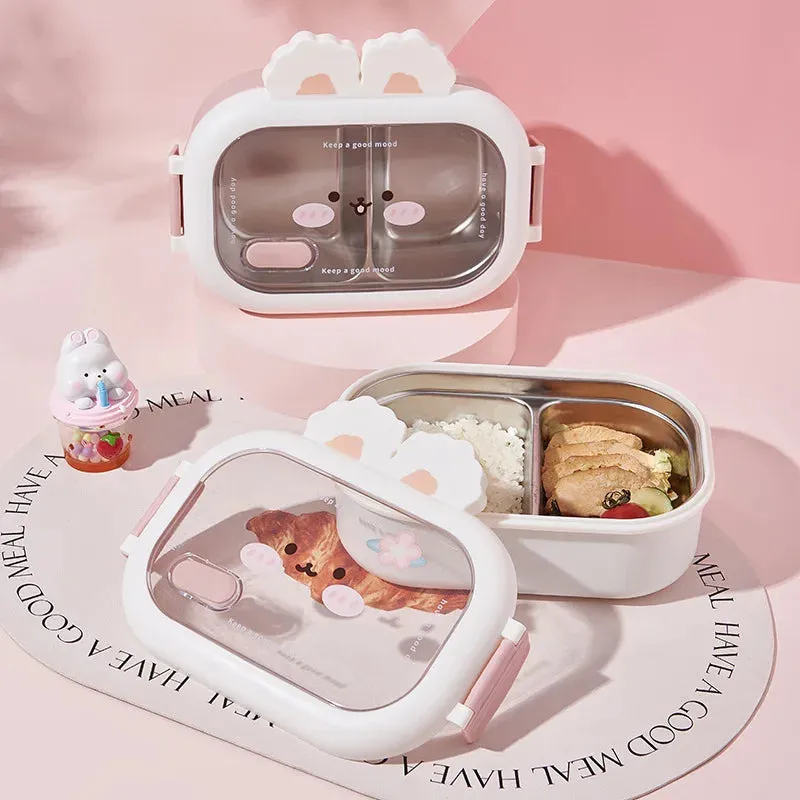
A japanese bento box is usually the better pick for school and work if you want portion control, leak resistance, and that compact kawaii look, while a standard bento box works fine if you just need a simple, cheap container for bigger portions. We have tested both styles at Kore Kawaii, and the right choice really comes down to what you pack, how much you pack, and how you carry it.
Below we break down the real differences, how to pick a size, how to care for your box, and which option suits your day best.
Japanese Bento Box vs Standard Bento Box: The Actual Differences
Both are lunch boxes, but they are built with different priorities. Here is how they compare side by side:
| Feature | Japanese Bento Box | Standard Bento Box |
|---|---|---|
| Compartments | Multiple fitted sections | Often one large space or a simple divider |
| Portion control | Designed around balanced rice, protein, sides | You portion it yourself |
| Sealing | Gasket or locking lid to resist leaks | Varies a lot, some are not leakproof |
| Size | Compact, sized to fit bags and desks | Often bulkier |
| Aesthetic | Kawaii colours, cute prints, pastel finishes | Plain, functional |
| Best for | School, office desks, smaller appetites | Big lunches, meal prep leftovers |
The short version: a japanese bento box is designed around the way Japanese lunches are packed, which means built-in portioning, tight lids, and a footprint that fits a bag without crowding it. A standard bento box trades some of that polish for simplicity and space.
If your lunch is mostly a sandwich and a snack, either works. If you pack rice, noodles, or saucy food, the japanese style is the safer bet because of the seal.
Choosing a Bento Box Size for Your Day
Choosing a bento box size matters more than most people expect. Too small and you are hungry by 3pm; too big and it dominates your bag.
- Kids and light lunches: a smaller two-compartment box is plenty. It fits a sandwich cut into quarters plus fruit.
- Teens and adults at work: look for a two-tier or deeper single-tier box. That handles a main plus two sides.
- Meal preppers: a standard, deeper box with one big compartment lets you pack leftovers without fuss.
- Small bags: measure before you buy. A slim japanese bento box slides into a front pocket where a wide lunchbox will not.
Quick tip from our own testing: fill the box at home once before its first outing. If it is half empty, go down a size. If the lid bulges, go up.
Does It Actually Fit in Your Bag?
This is where pairing your lunch box with the right bag pays off. A japanese bento box is compact by design, so it fits well alongside your other daily carry. If you are shopping for both, our cute backpack picks have enough internal depth to hold a bento box upright, which matters for anything with sauce or soup.
What to check before you buy either item:
- Measure the inside height and width of your bag's main compartment, not the outer dimensions.
- Look for a side or front pocket if you want the lunch box separate from notebooks.
- If you carry a water bottle too, choose a box with a locking lid so nothing shifts and opens in transit.
What Japanese Bento Boxes Are Made Of
Materials affect weight, microwave safety, and how the box ages.
- Plastic (usually food-grade polypropylene): light, affordable, and most are microwave safe. Check the base symbol before heating.
- Bamboo or wood-look finishes: beautiful and kawaii, but they need hand washing and occasional oiling.
- Stainless steel inserts or compartments: great for hot food and odours, though usually not microwave safe as a whole unit.
- Silicone seals: the leakproofing hero. Keep the gasket clean or the lid stops sealing properly.
For school, plastic with a silicone gasket is the practical pick: light enough for a kid's bag, sealed enough for yogurt and fruit.
Bento Box Care Tips So Yours Lasts
Good bento box care tips are simple but easy to skip. Follow these and your box stays fresh-looking for years:
- Hand wash lids and seals with warm soapy water; dishwashers can warp locking clips.
- Remove the silicone gasket after saucy meals so nothing dries into the groove.
- Dry fully before closing, or the seal can trap moisture and smell.
- Do not microwave with the lid latched; steam pressure bends the clips.
- For stubborn rice stains, a paste of baking soda and water works without scratching.
Which One Should You Buy?
Here is our honest recommendation after testing both styles:
| You are... | Our pick |
|---|---|
| A student who packs rice, noodles, or saucy lunches | Japanese bento box |
| An adult meal prepping leftovers for the office | Standard bento box |
| A parent packing kid-sized portions | Japanese bento box, small size |
| Someone who hates compartments and just wants space | Standard bento box |
If you go japanese style, grab the japanese bento box directly from Kore Kawaii, or browse all our tested bento boxes if you want to compare shapes and compartment layouts yourself. Current pricing and our discount are on the Kore Kawaii store page, and we keep the code updated there.
Complete the Kawaii Setup
A good lunch is only half the school day. If you are building a matching set, pair your bento box with our cute notebooks for class and a bit of cute stationery for your desk at work. Everything we list on Kore Kawaii we have handled ourselves, so you are not guessing about quality.
A few pairing notes from our Kore Kawaii store overview:
- Backpack capacity: a compact bento box plus a notebook and pencil case leaves room to spare in most mid-size bags.
- Notebook paper quality: if you write with gel pens, pick thicker pages so lunch-break doodles do not bleed through.
- Order tracking help: after you order, tracking emails go out automatically, so you can watch your box travel.
Final word: for school and work, the japanese bento box wins on sealing, portioning, and looks, and a standard box only beats it if you need raw volume. Check the latest price and our code on the Kore Kawaii discount page before you buy, then pack it up and enjoy lunch again.
 Shopping at Kore Kawaii? See today's verified Kore Kawaii discount code
Frequently asked questions
Is a japanese bento box better than a standard bento box?
Japanese bento boxes usually have fitted compartments, a tighter seal, and a compact footprint, while standard boxes tend to offer more open space for bigger portions. If you pack rice or saucy food, the japanese style is the safer choice.
What size bento box should an adult take to work?
A standard bento box with one large compartment is usually better for meal prep leftovers. If you want portioned meals for the office instead, a two-compartment japanese style box works well.
Can I microwave my japanese bento box?
Most plastic japanese bento boxes are microwave safe, but always check the symbol on the base and remove or unlatch the lid first. Wood and stainless steel components are typically not microwave safe.
Are kawaii bento boxes leakproof?
Most plastic japanese bento boxes with a silicone gasket seal are leak resistant for sauces, yogurt, and fruit. Very liquid meals like soup are still risky in any non-insulated box, so keep those to thermos containers.
How do I clean a bento box with a silicone seal?
Hand wash the lid and seal, remove the silicone gasket after saucy meals, and dry fully before closing. Skip the dishwasher for lids to avoid warping the locking clips.
Where can I buy a japanese bento box with a discount?
Yes, both ship from Kore Kawaii. Current pricing and our discount code are on the store page, and you will receive order tracking updates by email after purchase.