

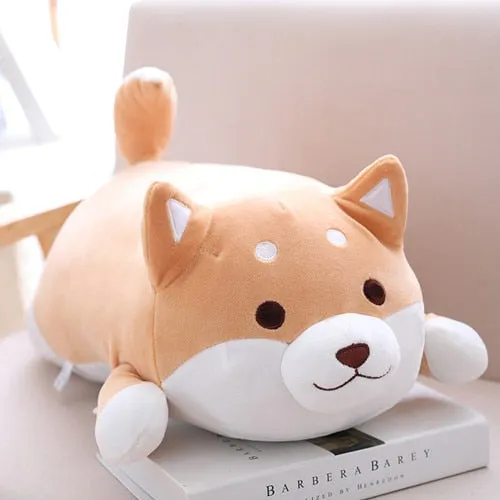
A kawaii duck, like most plush toys, is best cleaned with a gentle surface wash, and only put in the washing machine when it is truly dirty, inside a mesh bag, on a cold delicate cycle. That single rule covers 90 percent of plush care, but there is a right way to do it for different fabric types, different levels of grime, and different plush builds. Below is the full routine we use in our own office, where several shiba and duck plushes live on desks and get handled daily.
Why Plush Care Is Different From Regular Laundry
Plush toys are not just fabric. They are stuffed fiber fill, stitched seams, embroidered faces, and sometimes glued or safety-attached details like a beak or scarf. A hot wash or a rough cycle can:
- Flatten or clump the fill so the plush loses its shape
- Stretch the seams until they split
- Fade or bleed the fabric dye
- Damage embroidered or glued-on details
The kawaii duck on our desk and the raccoon plush on the shelf both have stitched features and soft short-pile fabric. That kind of plush handles spot cleaning beautifully but does not love tumbling dry. Plan for gentle, and your plush will last years instead of months.
Spot Cleaning: The Method You Will Use Most
For a dusty desk plush, a small stain, or regular upkeep, spot cleaning is all you need.
- Vacuum or brush first. Run a lint roller or a soft brush over the surface to lift dust, crumbs, and pet hair.
- Mix a gentle solution. A small drop of mild dish soap or baby shampoo in a bowl of cool water is enough.
- Dab, never scrub. Dip a clean cloth into the solution, wring it well so it is damp rather than wet, and blot the dirty area. Scrushing pushes dirt deeper into the pile and mats the fibers.
- Rinse with plain water. Use a second cloth dampened with cool water to lift out soap residue.
- Air dry fully. Blot with a dry towel, then let the plush sit upright in a well-ventilated spot away from direct heat and sunlight.
The caterpillar-style plushes, like the caterpillar toy cats, have segmented bodies that trap dirt in the creases between sections. Pay extra attention to those seams when spot cleaning, and make sure each segment dries completely so moisture never sits inside the stuffing.
Machine Washing a Plush Toy Safely
When a plush needs a full wash, usually after a spill or after months of hugging, follow this sequence:
- Check the seams and details. Hand-stitch any loose seams first, or the wash will make it worse.
- Bag it. Put the plush inside a mesh laundry bag or a knotted pillowcase. This protects it from friction.
- Cold water, delicate cycle, gentle detergent. No bleach, no fabric softener. A small amount of detergent rinses out cleaner from plush than a large amount.
- Wash alone or with similar items. A plush and two towels is fine. A full mixed load is not.
Drying Without Ruining the Shape
Heat is the enemy of plush fill. Skip the dryer entirely if you can.
- Press the plush between dry towels to remove as much moisture as possible.
- Reshape the head, limbs, and body with your hands while damp. This is the moment when the plush is most moldable.
- Air dry on a rack or towel for one to two days, flipping occasionally.
- Once fully dry, brush the pile with a soft toothbrush to restore fluffiness.
If a dryer is the only option, use the no-heat or air-only setting, and add two or three clean dry towels to cushion the load. Even then, finish air drying, because the inner fill almost always stays damp after a cycle.
Deep Refreshing a Well-Loved Plush
Older plushes that have gone flat can often be revived instead of replaced:
- Refluff the fill. Squeeze and massage the stuffing through the fabric to break up clumps.
- Baking soda for odors. Dust a light layer of baking soda over the surface, let it sit for a few hours, then brush or vacuum it off.
- Sunlight, briefly. An hour of indirect sun on a dry day helps freshen fabric, but long exposure fades colors, especially on bright yellows like a duck plush.
- Add fill if needed. If a plush has lost its firmness, a small amount of polyester stuffing inserted through a widened seam, then restitched, brings it back to life.
How Often Should You Clean a Desk Plush Versus a Cuddle Plush
It depends on where the plush lives, not on any fixed schedule.
| Plush type | Cleaning routine | Why |
|---|---|---|
| Desk or display plush | Spot clean every month or two, vacuum dust off | Low handling, mostly dust |
| Cuddle or nap plush | Full wash every 4 to 8 weeks | Skin oils and warmth build up |
| Kitchen or travel plush | Spot clean as needed, wash after spills | Food and moisture exposure |
| Collectible plush, displayed in a case | Dust only | Wash can flatten a display piece |
Collectible-style plushes, like the ones we keep alongside our one piece labubu figures, usually just need dusting and the occasional spot clean. Washing a display piece that never gets dirty is more risk than reward.
Buying a Plush That Is Easy to Care For
Before you add a plush to your cart, think about how it will live in your home:
- Short-pile fabric cleans easier than long fluffy pile. Dust sits on top instead of tangling in.
- Embroidered features beat glued-on ones. Embroidery survives washing and dabbing; glue details can loosen.
- Sturdy seams matter more than softness on the shelf. Double-stitched seams handle years of hugs and washes.
- A plush you can spot clean is often enough. If it lives on a shelf or desk, you may never need the washing machine at all.
If you are building out a whole kawaii setup, we also keep guides on other care topics, like bento box care tips, that follow the same gentle-handling logic. And when you are ready to buy, check the latest price on the Kore Kawaii store page, where our discount code applies to everything including plush. A Kore Kawaii store overview lives on that page too, along with shipping and delivery times and the returns and refund policy, so you know what to expect before ordering.
Quick Care Cheat Sheet
- Cool water only, always
- Gentle detergent, tiny amounts
- Spot clean first, machine wash only when needed
- Mesh bag for every machine wash
- Air dry, reshape while damp, brush when dry
- Baking soda for odors, sunlight only in short bursts
Treat a plush gently and it will hold its shape, color, and squish for years. The shiba and duck plushes on our desks are the proof: none of them have needed anything more than spot cleans, dusting, and one careful wash each.
 Shopping at Kore Kawaii? See today's verified Kore Kawaii discount code
Frequently asked questions
Can I put a kawaii duck plush in the washing machine?
Use the delicate or hand-wash cycle with cold water and a small amount of gentle detergent, always inside a mesh laundry bag or knotted pillowcase. Skip bleach and fabric softener.
How do I clean a stain off a plush without washing the whole thing?
Blot it immediately with a cloth dampened in cool soapy water, then rinse with a clean damp cloth and air dry. Never use hot water or harsh scrubbing, which can set the stain and mat the fabric.
How often should I wash a plush toy my child cuddles daily?
Every 4 to 8 weeks with normal handling is plenty. Desk and display plushes that get minimal touching usually only need monthly dusting and occasional spot cleans.
My plush went flat and lumpy after washing. Can I fix it?
Dry it naturally between towels and on a rack, then reshape the head and body while it is damp. Once fully dry, brush the pile with a soft toothbrush to restore the fluff.
What should I look for when buying a plush that is easy to care for?
Short-pile fabric, embroidered features, and sturdy double-stitched seams are the easiest to maintain. Our kawaii duck and raccoon plush picks fit that description and clean up well.
Can I machine wash a plush with stitched details like a beak or eyes?
Yes, but check the seams first and hand-stitch anything loose. Tumble drying is the bigger risk, so air dry or use a no-heat dryer setting instead.