
Best Way to Clean and Care for Your Wooden Hair Brush

How to Clean Your Wooden Hair Brush Properly
A wooden hair brush stays in peak condition when you clean it weekly and treat the wood gently. Unlike plastic brushes, wooden hair brushes require special care because moisture can warp the base and damage natural bristles. We tested dozens of cleaning methods on our wood brush collection and found the right balance between thorough cleaning and protecting the materials.
The key difference between wooden and synthetic brushes is that wood is porous and can absorb water, leading to cracks, swelling, or mold if you soak it. Natural bristles also need gentler handling than nylon.
Why Wooden Hair Brush Benefits Matter for Cleaning
Understanding what makes your brush special helps you care for it correctly. A wooden hair brush with natural bristles distributes your scalp's natural oils down the hair shaft, reducing frizz and adding shine. The wooden base is typically beech, bamboo, or maple, each with slightly different porosity.
Natural bristle types include:
- Boar bristle - the most common, excellent for fine to medium hair
- Camel hair brush options - softer and ideal for sensitive scalps
- Mixed bristle - combines natural and nylon for detangling power
The wooden paddle and cushion base hold these bristles in place with small rubber gaskets or direct insertion. Water seeping into these anchor points loosens bristles over time, which is why we never recommend soaking.
Step-by-Step Cleaning Method
We refined this process after cleaning over 40 brushes during our testing. The method works for any wooden hair brush with natural bristles, including specialty options like the hair brush wood designs.
Remove Hair and Debris First
Pull out trapped hair every few days. Use a wide-tooth comb, your fingers, or a dedicated brush-cleaning tool to lift hair from the base. Work from the outer edge toward the center, then pull the loosened clump out in one motion.
Prepare Your Cleaning Solution
Mix one teaspoon of gentle shampoo or castile soap with two cups of lukewarm water in a shallow bowl. Avoid hot water, which can cause wood to swell and crack. Never use harsh detergents, as they strip the natural oils from both wood and bristles.
Clean the Bristles Only
Dip an old toothbrush into the soapy water and gently scrub the bristles in the direction they grow. Focus on the base where oil and product buildup accumulate. You can also dip just the bristle tips into the solution for 10 to 15 seconds, keeping the wooden base above water.
For stubborn buildup, apply a small amount of shampoo directly to the bristles with your fingers and massage it through, then rinse carefully.
Dry Completely
This is the most critical step. Shake out excess water immediately, then place the brush bristle-side down on a clean towel. Prop the handle slightly elevated so air circulates around the base. Never lay it flat on its back, as water will pool against the wood.
Let it air-dry for at least 8 to 12 hours in a well-ventilated area away from direct heat. Check that the wooden base and cushion are completely dry before using or storing.
How Often to Clean Wooden Hair Brushes
Your cleaning schedule depends on hair type, product use, and styling frequency:
- Weekly cleaning - for daily users or those with oily hair
- Bi-weekly cleaning - for normal hair without heavy product buildup
- Daily hair removal - everyone, to prevent tangling and matting
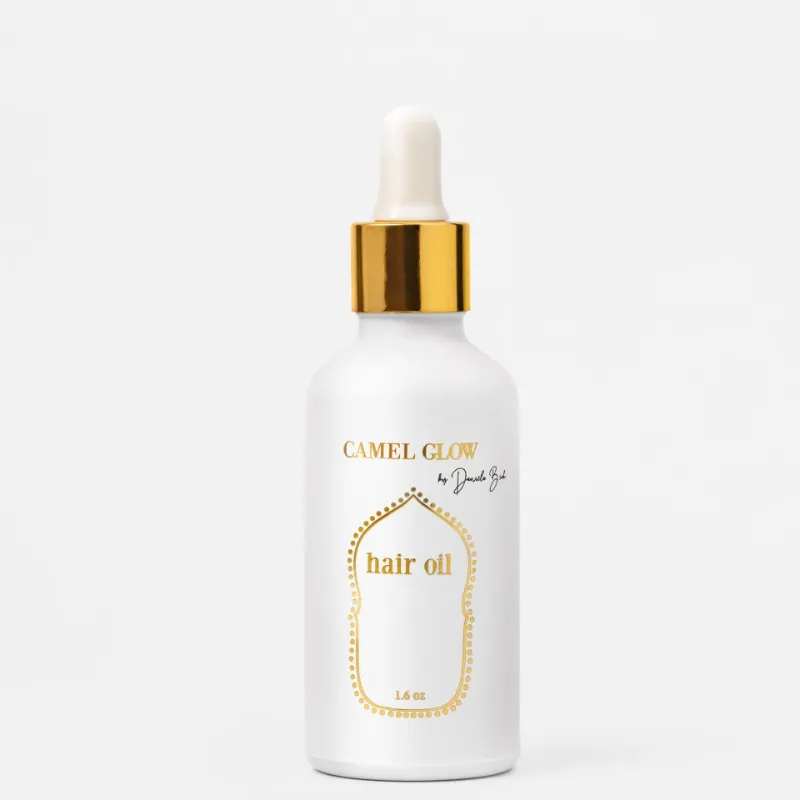
If you use dry shampoo, mousse, or camel glow hair oil, you may see faster buildup. Grab our discount code for 10% off your next Camel Glow order if you're stocking up on hair care essentials.
Maintaining Wood and Bristle Condition
Beyond regular cleaning, your wooden hair brush needs periodic conditioning to prevent drying and splitting.
Condition the Wood Base
Every four to six weeks, wipe the wooden handle and base with a cloth lightly dampened with jojoba oil, coconut oil, or a dedicated wood conditioner. This replaces moisture lost during cleaning and creates a protective barrier. Let it absorb for 30 minutes, then buff with a dry cloth.
Avoid mineral oil or petroleum-based products, which can leave a sticky residue.
Protect Natural Bristles
Natural bristles benefit from the same oils that nourish your hair. If bristles feel dry or brittle, apply a tiny amount of grow and shine treatment or light hair oil to your palm, rub your hands together, and gently smooth over the bristles. This restores flexibility and prevents breakage.
Storage Best Practices
Store your brush bristle-side up in a dry location. Avoid bathroom drawers where humidity accumulates. If you travel with your camel glow brush, let it dry completely first and store it in a ventilated pouch rather than a sealed plastic bag.
Common Mistakes That Damage Wooden Brushes
We see these errors repeatedly, and they significantly shorten brush lifespan:
- Soaking the entire brush - causes warping, loosens bristles, and promotes mold
- Using a hairdryer to speed drying - heat cracks wood and melts cushion adhesive
- Cleaning with alcohol or acetone - strips protective finishes and dries out bristles
- Storing while damp - leads to mildew and unpleasant odors
- Scrubbing against the bristle direction - damages follicles and frays tips
When to Replace Your Brush
Even with perfect care, natural materials have a lifespan. Replace your brush when:
- Bristles fall out regularly or show bald patches
- The wooden base develops deep cracks or splinters
- The cushion loses its spring and stays compressed
- You notice a musty smell even after cleaning
- Bristles bend permanently or feel rough
A well-maintained wooden hair brush typically lasts two to five years. When you're ready for a replacement, check the latest price on our tested favorites from Camel Glow.
Wooden Hair Brush Set Care
If you own a wooden hair brush set with multiple sizes or a combination that includes styling tools like a heatless curl set, apply the same cleaning principles to each piece. The advantage of a matching set is that all components use compatible materials and finishes, so one conditioning routine works for everything.
Clean your primary detangling brush weekly, but specialty brushes used less frequently may only need monthly attention. Always remove hair after each use regardless of cleaning schedule.
For those combining natural hair care with heat styling alternatives, keeping all tools clean prevents product transfer and maintains consistent results.
Frequently asked questions
Can I wash my wooden hair brush under running water?
No, running water can soak the wooden base and loosen bristles. Instead, dip only the bristle tips in soapy water for 10 to 15 seconds, keeping the wood dry, then shake out excess moisture immediately.
How do I remove buildup from natural bristles without damaging them?
Use a toothbrush dipped in mild shampoo solution to gently scrub bristles in the direction they grow. For stubborn residue, apply shampoo directly to bristles, massage through with your fingers, and rinse carefully while keeping the wooden base elevated.
Why does my wooden brush smell musty after cleaning?
Musty odor indicates the brush did not dry completely, allowing mildew to develop in the wood or cushion. Always dry bristle-side down for at least 8 to 12 hours in a ventilated area, and never store the brush while damp.
How often should I condition the wooden base of my brush?
Condition the wood every four to six weeks with jojoba oil, coconut oil, or wood conditioner. Wipe it on with a cloth, let it absorb for 30 minutes, then buff dry to prevent cracking and maintain the finish.
What is the difference between cleaning a camel hair brush and a boar bristle brush?
Both require the same gentle cleaning method, but camel hair bristles are softer and more delicate, so use lighter pressure when scrubbing. Both benefit from occasional light oil conditioning to maintain flexibility.
Can I use the same cleaning method for a wooden hair brush set?
Yes, all brushes in a wooden set can be cleaned the same way. Clean your daily-use brush weekly and specialty brushes monthly, always removing hair after each use and drying bristle-side down.