
How to Use a Wooden Hair Brush Without Damaging Your Hair

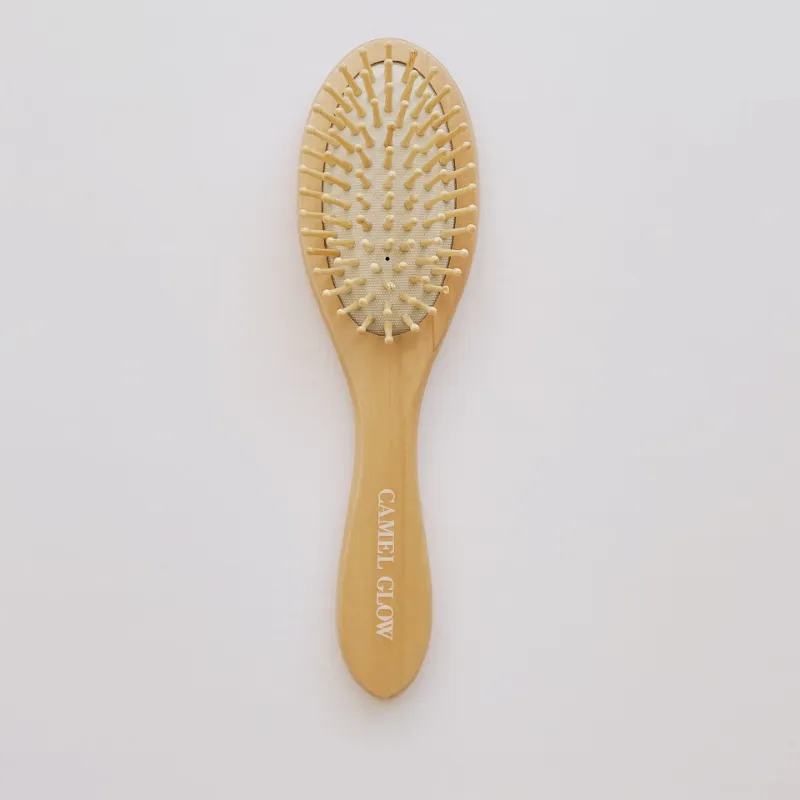
A wooden hair brush distributes natural oils, reduces static, and gently detangles when you use the right technique and care for it properly. We've tested dozens of natural-bristle brushes and learned that technique matters just as much as the tool itself.
Whether you're switching from plastic or upgrading your current routine, the way you brush determines whether you see shine and smoothness or split ends and breakage. Let's walk through exactly how to use your wooden hair brush the right way.
Start With Dry or Slightly Damp Hair
Wooden bristles work best on dry or nearly-dry hair. Wet hair stretches and snaps easily, and dragging any brush through soaked strands causes mechanical damage the wood can't prevent.
If you must detangle damp hair, use a wide-tooth comb first, then wait until your hair is about 80 percent dry before reaching for your wood brush. The natural bristles glide through dry hair and carry sebum from root to tip without the tearing that happens on wet, swollen cuticles.
For those with curly hair, consider detangling in the shower with conditioner and your fingers, then use the wooden brush only on dry hair to shape and smooth the crown or refresh second-day curls.
Brush From the Ends Up in Sections
The single biggest mistake we see is starting at the scalp and ripping downward. That technique snags every tangle and pulls hair straight out of the follicle.
Instead, follow this method:
- Divide hair into manageable sections (four to six, depending on thickness)
- Hold the mid-length of one section and brush the last few inches first
- Work upward in small increments, brushing out tangles as you go
- Once the section is smooth, brush from root to tip in long, gentle strokes
- Repeat for each section
This approach keeps tension off the roots and lets the wooden bristles do what they do best: distribute oil and smooth the cuticle without ripping through knots. A camel hair brush with soft, natural bristles is especially forgiving if you have fine or fragile strands.
Wooden Hair Brush Benefits You'll Notice Fast
Switching to a wooden hair brush with natural bristles delivers results you can see and feel within a week or two.
Natural oil distribution: Wood and natural bristles pick up sebum at the scalp and carry it down the hair shaft, reducing the need for heavy conditioners and adding natural shine.
Less static and frizz: Unlike plastic, wood doesn't generate static electricity, so your hair stays smooth and manageable even in dry climates.
Scalp stimulation: The gentle massage from wooden pins or bristles increases blood flow to the follicles, which supports healthy growth when paired with treatments like camel glow hair oil or grow and shine.
Durability: A well-made hair brush wood can last years with proper care, unlike plastic brushes that warp, crack, or lose bristles after a few months.
You can grab the code to save on your first brush and see the difference for yourself.
Clean Your Wooden Brush the Right Way
Wooden brushes require different care than plastic. Water and wood don't mix well, so deep soaking will crack the base and loosen bristles.
Weekly maintenance:
- Remove all hair from the bristles with a comb or your fingers
- Dampen a cloth with warm water and a drop of mild shampoo
- Wipe the bristles and cushion, avoiding the wooden base
- Use a dry towel to blot excess moisture immediately
- Lay the brush bristle-side down on a clean towel and let it air-dry completely
Monthly deep clean: Use a soft toothbrush dipped in diluted shampoo to scrub between the bristles, then rinse the bristles only under running water (never submerge the wood). Dry thoroughly.
Store your brush in a dry spot, not in a steamy bathroom where humidity can warp the wood. A wooden hair brush set often includes a protective case that keeps dust off and prolongs the life of the bristles.
Pair Your Brush With the Right Routine
A wooden brush works best as part of a complete natural-care routine. We recommend brushing once in the morning and once before bed to maximize oil distribution and scalp stimulation.
If you use heat styling, apply a heat protectant first, then brush through to distribute it evenly. After styling with a heatless curl set or heatless curler kit, a gentle pass with your wooden brush softens the curls into waves without flattening them.
For extra shine and moisture, warm a few drops of camel glow hair oil between your palms, smooth it over the mid-lengths and ends, then brush through. The wooden bristles help the oil coat every strand without weighing hair down.
Check the latest price and current bundle offers to build your complete kit.
Who Should Use a Wooden Hair Brush
Wooden brushes suit most hair types, but they shine brightest on straight to wavy, medium to thick hair. If you have fine hair, look for a hair camel brush with softer, more flexible bristles that won't scrape the scalp or snap delicate strands.
Best for:
- Straight, wavy, or loose curls
- Normal to thick density
- Anyone dealing with static, frizz, or dull hair
- People moving away from heat tools and chemical treatments
Use with caution if you have:
- Very tight coils (a wide-tooth comb or pick is gentler)
- Extensions or fragile, chemically damaged hair (the bristles can catch and pull)
- Scalp conditions that make brushing painful (consult a dermatologist first)
We've found that combining a quality camel glow brush with the right technique transforms even the most stubborn, static-prone hair into smooth, shiny strands. It takes a week or two to adjust, but once your scalp recalibrates oil production, you'll wonder why you ever used plastic.
Frequently asked questions
Can I use a wooden hair brush on wet hair?
It's best to avoid brushing wet hair with any brush, including wooden ones. Wet hair is fragile and prone to breakage. Wait until your hair is about 80 percent dry, or use a wide-tooth comb on damp hair instead.
How do wooden hair brushes help with frizz?
Wood doesn't generate static electricity like plastic does, so it keeps the hair cuticle smooth and reduces flyaways. Natural bristles also distribute your scalp's oils down the hair shaft, which adds moisture and shine while taming frizz.
How often should I clean my wooden hair brush?
Remove loose hair weekly and wipe the bristles with a damp cloth. Do a deeper clean monthly with diluted shampoo, but never submerge the wooden base in water or it will crack.
Do wooden hair brush benefits work for all hair types?
Wooden brushes work best on straight to wavy hair and loose curls. If you have very tight coils or fragile, chemically treated hair, a wide-tooth comb or a softer-bristle brush may be gentler and less likely to cause breakage.
Can I use a wooden brush with hair oil or treatments?
Yes, wooden brushes are ideal for distributing hair oils and leave-in treatments evenly from root to tip. Apply the product first, then brush through gently to coat every strand without weighing hair down.
Why does my wooden hair brush feel rough at first?
New wooden bristles can feel stiff until they break in. Use gentle pressure for the first week, and the bristles will soften slightly as the natural oils from your hair condition them. If they stay uncomfortably rough, you may need a brush with polished or rounded tips.