
Heatless Curler Kit vs. Traditional Curling Iron: Which Is Better for Your Hair?

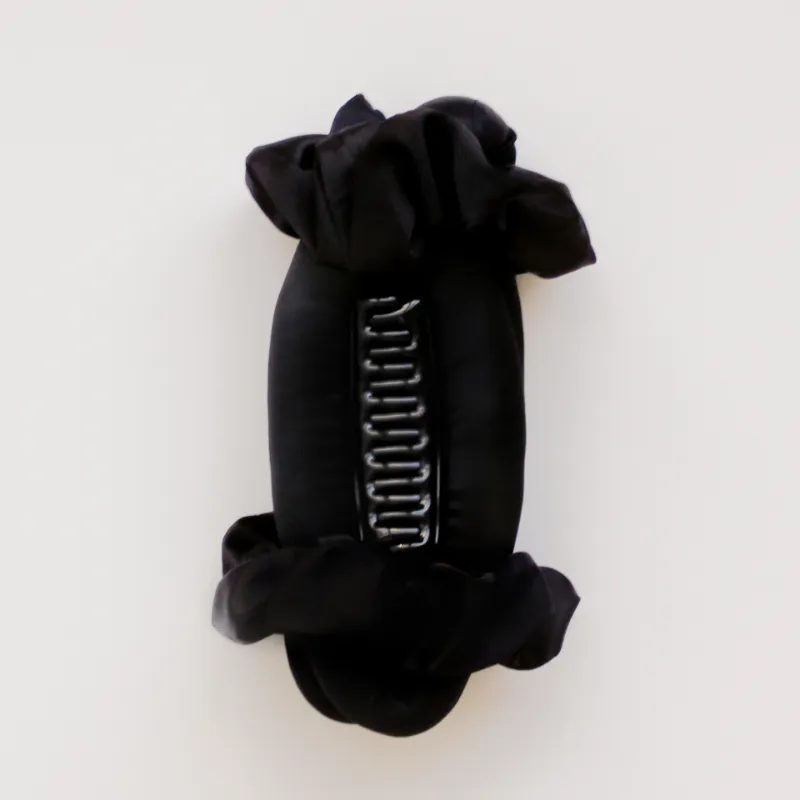
A heatless curler kit protects your hair from thermal damage while creating soft, natural waves overnight, making it the healthier long-term choice for most hair types. Traditional curling irons deliver faster results and tighter curls, but repeated heat exposure weakens strands and increases breakage. We tested both methods to help you decide which tool belongs in your routine.
How a Heatless Curler Kit Works
Heatless curling relies on damp hair wrapped around a foam or fabric rod while you sleep. The heatless curl set uses tension and time to set the curl pattern without any heat styling tools. You start with slightly damp hair, wrap sections around the curling rod headband, and secure the ends. After six to eight hours, you unwrap to reveal soft, bouncy curls.
The process requires no heat, which means zero risk of burns, singed ends, or thermal damage. Many stylists recommend heatless methods for fine, color-treated, or already-damaged hair. The heatless curler kit from Camel Glow includes a satin-lined rod that reduces friction and frizz while you sleep, so you wake up with curls that last all day.
- No heat damage or split ends
- Works while you sleep, saving morning time
- Gentle on fragile or chemically treated hair
- Creates soft, natural-looking waves
Grab the code to save 10% on your first Camel Glow order.
Traditional Curling Iron: Speed and Control
A curling iron heats a ceramic or titanium barrel to 300–400°F, wrapping hair around it to set curls in seconds. You get instant results and full control over curl size, direction, and tightness. For rushed mornings or formal styles that need precision, a curling iron is hard to beat.
But repeated heat styling comes at a cost. High temperatures break down the protein structure of your hair, leading to dryness, brittleness, and breakage over time. Even with a heat protectant spray, frequent use weakens the cuticle layer. If you curl your hair daily, the cumulative damage adds up fast.
- Curls form in seconds, not hours
- Precise control over curl size and placement
- Best for tight ringlets or structured styles
- Requires heat protectant to minimize damage
For occasional use or special events, a curling iron is a practical tool. For daily styling, heatless methods are safer for long-term hair health.
Heatless vs. Heat: Which Curls Last Longer?
We tested both methods on the same head of hair to compare hold and longevity. The hair curling kit delivered soft, beachy waves that held their shape for twelve to eighteen hours before loosening. A curling iron set with hairspray lasted roughly the same amount of time, though the curls started tighter and relaxed into waves by mid-day.
Hair texture plays a big role. Fine, straight hair tends to drop curls faster with any method, while wavy or textured hair holds heatless curls surprisingly well. One trick: apply camel glow hair oil to dry ends after unwrapping heatless curls to lock in shine and reduce frizz without weighing down the style.
| Method | Time to Style | Hold Duration | Heat Damage |
|---|---|---|---|
| Heatless curler kit | 6-8 hours (overnight) | 12-18 hours | None |
| Curling iron | 10-20 minutes | 10-16 hours | Moderate to high |
Heatless curls may take longer to form, but they require almost no active styling time. You do the work while you sleep.
Who Should Choose a Heatless Curler Kit?
A heatless hair curler is ideal if you style your hair multiple times per week, have fine or color-treated strands, or want to reduce morning prep time. The gentle tension method works especially well for wavy or curly hair types that already have texture. If you heat-style regularly, switching to a heatless curling rod headband a few nights a week gives your hair a break and speeds up damage repair.
Heatless kits are also a smart choice for anyone dealing with breakage, split ends, or dryness. Pair your kit with a wooden hair brush to distribute natural oils and smooth the cuticle after unwrapping. Wooden bristles are gentler than plastic and help reduce static.
- Best for fine, fragile, or chemically treated hair
- Great for anyone who styles hair three or more times per week
- Perfect if you prefer soft, natural waves over tight curls
- Saves time in the morning (you style while you sleep)
Check the latest price to see current offers on Camel Glow styling kits.
When a Curling Iron Still Makes Sense
If you only curl your hair once or twice a week, a curling iron won't cause significant long-term damage, especially with a good heat protectant. Curling irons also win for formal styles that need tight, uniform ringlets or specific curl placement. Updos, red-carpet looks, and structured vintage waves are all easier to execute with a heated tool.
Short hair and pixie cuts often lack the length needed to wrap around a heatless rod overnight, so a small-barrel curling iron may be your only option. For these cases, keep the temperature below 350°F and limit sessions to once or twice a week.
Caring for Your Hair Between Styles
No matter which tool you choose, healthy hair holds curls better and looks shinier. We recommend a camel hair brush for daily detangling because natural bristles smooth the hair shaft without snagging. After washing, apply grow and shine to damp lengths to strengthen strands and add slip.
Brush your hair gently before wrapping it around a heatless curler to remove tangles and distribute product evenly. If you use a curling iron, always apply a heat protectant spray and wait until hair is completely dry before styling. Wet or damp hair is far more vulnerable to heat damage.
- Detangle with a wood brush before styling
- Use a heat protectant spray if you choose a curling iron
- Apply lightweight oil to finished curls for shine and hold
- Limit heat styling to two or three times per week
According to Byrdie's guide to heatless curlers, the best results come from wrapping slightly damp hair and leaving the curler in for at least six hours. InStyle's overnight testing confirmed that longer wear time translates to better curl definition and longevity.
Our Verdict: Which Method Wins?
For most people, a heatless curler kit is the better everyday choice. It protects hair health, requires zero active styling time, and delivers soft, natural curls that last all day. If you need speed or precision for a special event, keep a curling iron on hand but save it for occasional use. Mixing both methods gives you flexibility without sacrificing your hair's long-term health.
The camel glow line includes everything you need to build a heat-free styling routine, from heatless curl sets to nourishing oils and wooden brushes. Start with the basics, and your hair will thank you.
Frequently asked questions
Does a heatless curler kit work on straight hair?
Yes, but straight hair may need longer wear time (eight to ten hours) and a light styling mousse or spray before wrapping. The curls tend to relax faster on straight textures, so plan for soft waves rather than tight ringlets.
How often can I use a curling iron without damaging my hair?
Limit heat styling to two or three times per week, and always use a heat protectant spray. Keep the temperature below 350°F and avoid going over the same section multiple times.
Can I use a heatless curling rod headband on short hair?
Hair needs to be at least chin-length to wrap comfortably around most heatless rods. For shorter styles, a small-barrel curling iron or flexi-rods may work better.
Will heatless curls last as long as curling iron curls?
Both methods typically hold for twelve to eighteen hours, depending on your hair type and products. Heatless curls start softer and relax gradually, while curling iron curls begin tight and loosen over time.
What's the best way to prevent frizz with a heatless curl set?
Use a satin or silk-lined rod to reduce friction, and wrap slightly damp hair that's been treated with a leave-in conditioner or lightweight oil. Avoid touching or brushing the curls immediately after unwrapping.
Can I speed up heatless curling?
You can try wrapping damp hair and wearing the rod for four to five hours during the day, but overnight wear (six to eight hours) produces the best curl definition and hold.