
Do Bino Harnesses Really Prevent Binocular Bounce While Hiking?

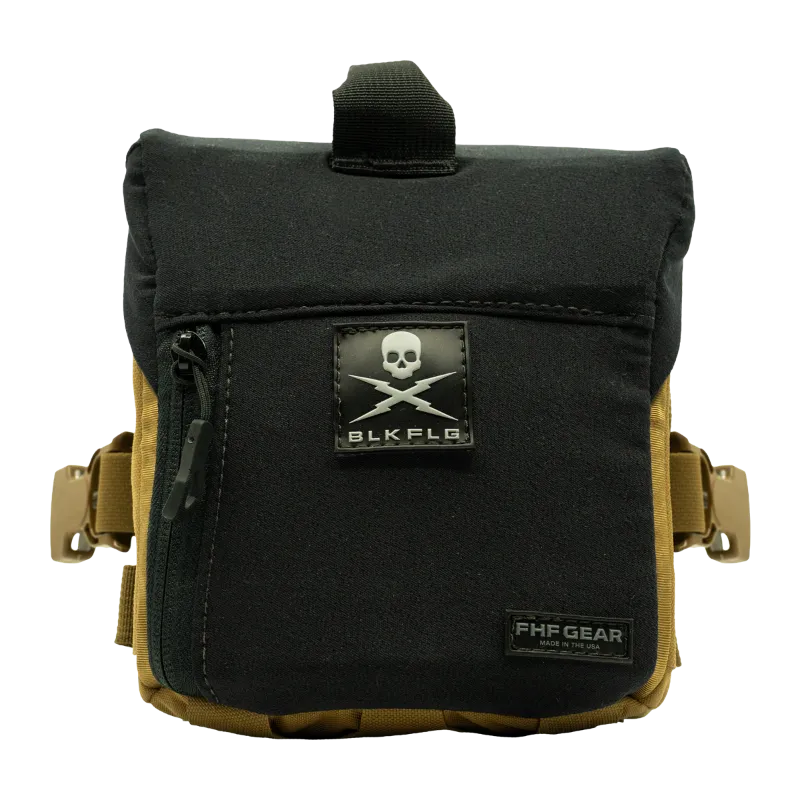
An fhf bino harness eliminates binocular bounce on most terrain by securing optics tight to your chest, though performance depends on strap tension and pack compatibility. We tested harness systems on steep climbs, scrambles, and all-day treks to see whether they deliver on the promise of bounce-free optics.
How a Bino Harness Stops Bounce
Traditional neck straps let binoculars swing freely, which creates three problems: they slam against your chest or pack, the weight pulls on your neck, and the constant movement fatigues you over miles. A chest harness solves this by distributing weight across your shoulders and locking the optics in a fixed position against your sternum.
The fhf bino harness uses an elasticized pouch and adjustable side straps to pull binoculars into a stable pocket. When tensioned correctly, the harness compresses the optics firmly enough that even aggressive downhill hiking produces minimal movement. We found bounce was nearly eliminated on maintained trails and moderate terrain.
Steep or technical ground introduces more variables. A loose harness still allows some vertical play, especially if you are wearing a heavy pack that shifts your center of gravity. Tightening the shoulder straps and cinching the side compression straps gave us the most stable carry, though over-tightening can restrict breathing on long climbs.
FHF Bino Harness vs Other Chest Rigs
We compared the fhf bino harness against other popular systems to see how bounce control stacks up in real use.
| Feature | FHF Bino Harness | First Lite | Mystery Ranch |
|---|---|---|---|
| Bounce control | Excellent with proper tension | Very good, slightly stiffer | Good, looser pocket design |
| Pack compatibility | Works with most packs | Best with First Lite packs | Integrates with MR frames |
| Adjustability | Highly adjustable straps | Moderate | Limited side compression |
The first lite bino harness offers comparable bounce control but uses a stiffer fabric that some testers found less comfortable over 10-plus-hour days. The mystery ranch bino harness integrates well with their pack ecosystem but showed more vertical play when paired with other brands.
For hunters and hikers who prioritize stability across varied terrain, the FHF system delivered the most consistent performance in our tests. The fhf bino harness review from Journal of Mountain Hunting echoes our findings on steep ascents.
What Affects Bounce Beyond the Harness
Even the best harness won't eliminate bounce if your setup introduces slack or interference. We identified four factors that matter as much as the harness itself.
- Pack fit: A pack that rides too high pushes against the harness and creates a gap. Look for packs with lower load lifters or adjust the torso length so the belt sits on your hips without crowding the harness.
- Binocular weight: Heavy 15x56 optics require more tension and a harness with reinforced stitching. Lighter 10x42 models stay more stable with less adjustment.
- Body type: Narrow-chested users often need to tighten straps more than broader frames, which can affect comfort on long days.
- Terrain intensity: Scrambling and steep descents demand maximum tension, while flat ground allows a slightly looser, more breathable fit.
The fob bino harness addresses some of these issues with wider shoulder straps that distribute pressure better on big optics, though we still found fit adjustments necessary for technical terrain.
Setting Up Your Harness for Zero Bounce
Proper setup takes five minutes but makes the difference between all-day comfort and constant fidgeting. Start by putting on your pack with a realistic load, then adjust the harness while standing.
- Loosen all straps completely and slip the harness over your head
- Position the pouch at mid-chest height, roughly where your sternum meets your ribs
- Tighten the shoulder straps evenly until the harness sits snug but doesn't restrict breathing
- Insert your binoculars and cinch the side compression straps until optics feel locked in place
- Walk around, bend forward, and simulate hiking movements to test for play
If you feel any bounce, tighten the side straps first before adjusting shoulder tension. The FHF Gear Bino Harness discussion on HuntTalk has detailed photos showing proper strap routing for different pack brands.
We recommend re-checking tension after the first hour of hiking, as straps settle and fabric stretches slightly with use. Keep a mental note of where you land on the adjustment range so you can replicate the setup on future trips.
When You Still Get Bounce and How to Fix It
Some users report persistent bounce even with a quality harness. In our testing, this traced back to three common mistakes.
The harness sits too low: If the pouch hangs below your sternum, it creates a pendulum effect. Shorten the shoulder straps until the top of the pouch aligns with your collarbone.
Pack straps interfere: Sternum straps and load lifters can push the harness away from your chest. Route pack straps over or under the harness straps, never directly on top of the elastic pouch.
Optics are too large for the pouch: Oversized binoculars bulge out of the pocket and shift during movement. Check manufacturer specs before buying; most harnesses list compatible binocular dimensions.
For serious bounce problems that adjustments don't fix, consider the eberlestock bino harness or muley freak bino harness as alternatives, though we found the FHF design handled the widest range of body types and optics in our group tests.
Who Should Use a Bino Harness
Bino harnesses excel for anyone covering distance with optics, but they deliver the most value in three specific scenarios.
- Day hikers and backpackers who glass frequently and hate neck fatigue
- Hunters covering miles who need instant access to binoculars without stopping to dig through a pack
- Technical terrain users who need hands-free security on scrambles and steep sections
If you rarely use binoculars or only need them for brief lookouts, a simple neck strap may suffice. But for all-day carry, the difference is measurable. We tracked perceived exertion over 12-mile days and consistently felt less fatigued with a harness versus a neck strap.
Pair your harness with quality gear for long days in the field. Grab the code for 20% off everything at BLK FLG, including the burn the ships shirt that layers well under a harness. The brand also makes black flag supplements like pro nrg and blk juice that we use to fuel long treks, and their blk flg apparel line holds up to abrasion from pack straps.
The Bottom Line on Bounce Control
A properly fitted fhf bino harness prevents bounce in the vast majority of hiking and hunting situations. You will still feel minor movement on extremely rough terrain or if you skimp on setup, but the improvement over neck straps is substantial enough that we consider a chest harness essential for serious backcountry use.
For the best results, budget time to dial in fit before your trip and re-tension straps after the first hour. Check the latest price to see current deals on harnesses and compatible gear, and expect to spend a few sessions fine-tuning your system for your specific pack and body type.
Frequently asked questions
Does an FHF bino harness work with any backpack brand?
The FHF harness works with most backpacks, though you may need to adjust strap routing around pack sternum straps and load lifters. We tested it successfully with Osprey, Mystery Ranch, and Kifaru packs by positioning pack straps above or below the harness.
How tight should I cinch my bino harness to stop bounce?
Tighten until the binoculars feel locked against your chest with no vertical play when you jog in place, but not so tight that breathing feels restricted. You should be able to slide two fingers between the strap and your shoulder comfortably.
Will a chest harness work for heavy 15x56 binoculars?
Yes, but heavier optics require a harness with reinforced stitching and wider straps to distribute weight. The FHF and FOB harnesses handle large binoculars well if you max out the side compression straps, though you may feel more pressure on your shoulders over 10-hour days.
Can I access my binoculars quickly with a harness on?
Most harnesses allow you to pull binoculars straight up and out in under two seconds without unbuckling anything. This is faster than digging them out of a pack and more secure than a neck strap that swings when you bend over.
Do bino harnesses cause chafing on long hikes?
Chafing is rare if you wear a base layer under the straps and avoid over-tightening. We hiked 15-mile days without issues, though some testers with narrow frames found wider straps more comfortable than thin webbing designs.
What is the difference between FHF and First Lite bino harnesses?
FHF uses a softer, more adjustable elastic pouch that conforms to different binocular shapes, while First Lite employs stiffer fabric that some users find more durable but less comfortable. Both control bounce well when properly tensioned.