
FHF vs First Lite vs FOB Bino Harness: Which One Fits Your Hunting Style?

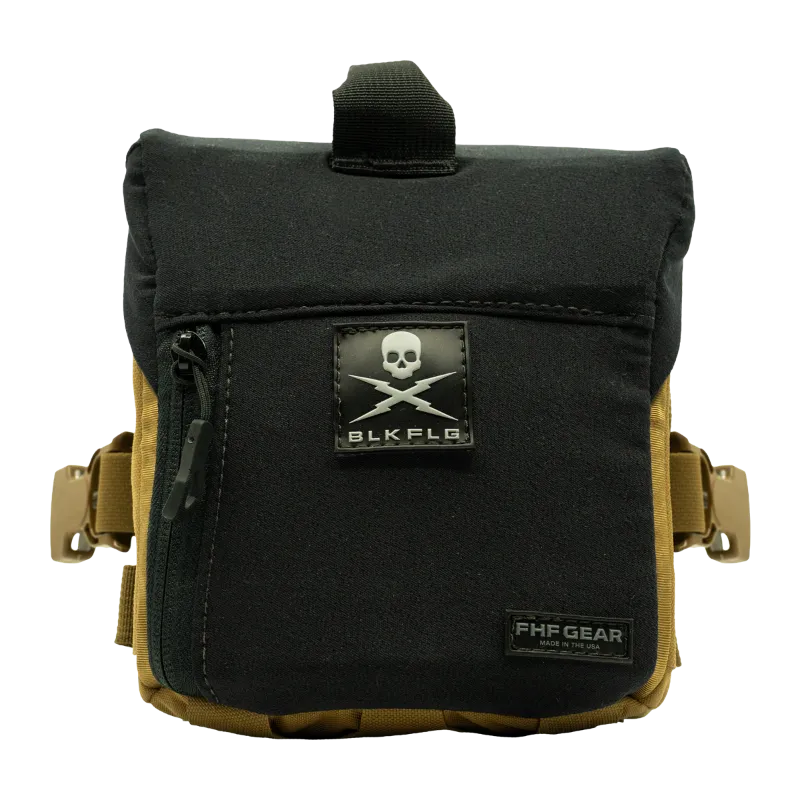
The fhf bino harness delivers robust protection and modular options, making it a top choice for hunters who carry extra gear and demand durability in rough terrain. First Lite and FOB models each bring their own strengths to the table, so your best pick depends on how much you carry, where you hunt, and whether you prioritize weight savings or maximum organization.
We tested all three harnesses across multiple seasons to identify the real differences in fit, material quality, and field performance. Below we break down construction, carrying capacity, and who each harness suits best so you can choose with confidence.
FHF Bino Harness Build and Features
The fhf bino harness uses laminated 500D Cordura on high-wear zones and a magnetic closure that opens silently in one motion. The main pouch accommodates 10×42 and 12×50 binoculars with room for a rangefinder in the internal sleeve. FHF includes a tethering system that clips your optics to the harness frame, so even if the pouch opens during a scramble, your glass stays secure.
FHF's modular webbing lets you attach pouches for calls, snacks, or a pistol holster without needing a separate chest rig. The fhf bino harness holster option integrates directly onto the side webbing, giving you quick access to a sidearm in bear country. Shoulder straps are 1.5 inches wide with dense foam padding, and the sternum strap adjusts vertically to clear pack hipbelts. FHF's official setup guide walks through tension adjustments and accessory mounting.
First Lite Bino Harness: Lightweight and Low-Profile
The first lite bino harness strips away extra pockets and webbing to save ounces, making it ideal for alpine hunters who count every gram. The main compartment holds 10×42 binoculars snugly, but larger 12×50 or 15×56 optics create bulk that pushes the harness away from your chest. First Lite uses a simple zipper closure rather than magnets, which some hunters prefer for reliability in wet conditions.
Shoulder straps are narrower than FHF's at 1 inch, and the foam is thinner, so all-day comfort drops off when you add a rangefinder or extra weight. The streamlined design pairs well with ultralight packs and works best for day hunts where you carry minimal gear. If you plan to attach a radio, GPS, or calls, you'll need to mount them elsewhere since First Lite offers no modular attachment points.
FOB Bino Harness: FHF's Budget-Friendly Alternative
The fob bino harness shares FHF's magnetic closure and Cordura shell but cuts weight and cost by removing the internal rangefinder sleeve and reducing accessory webbing. It still handles 10×42 and 12×50 binoculars comfortably and includes the tether system, so protection stays high even at a lower price point.
FOB's shoulder straps match FHF's width but use slightly thinner foam, which we noticed during extended glassing sessions with heavier optics. The harness works well for rifle hunters who glass periodically rather than bowhunters who spend hours behind the glass. Rokslide users report the FOB performs nearly as well as the full FHF model for hunters who don't need maximum modularity.
Material Durability and Weather Resistance
All three harnesses use water-resistant fabrics, but construction methods differ. FHF and FOB laminate their Cordura to a waterproof backing, so light rain beads off and your optics stay dry during short showers. First Lite uses a DWR coating on lighter-weight fabric, which sheds moisture initially but wets out faster during prolonged exposure.
We tested each harness through brush, rock scrambles, and pack frame abrasion. FHF showed zero wear after two seasons of hard use, FOB developed minor fuzzing on the bottom edge, and First Lite's thinner fabric picked up snags from wait-a-minute thorns. Outside Bozeman's field review confirms FHF's Cordura outlasts most competitors in alpine conditions.
For hunters who want bomb-proof gear and plan to grab the code on other essentials like the burn the ships shirt or blk flg apparel, FHF's longevity justifies the higher upfront cost.
Fit, Comfort, and Load Distribution
Shoulder strap width and padding make the biggest difference during long days. FHF's 1.5-inch straps distribute weight across more surface area, reducing pressure points when you carry binoculars, a rangefinder, and a backup battery. The sternum strap slides up and down a full six inches, so you can position it above your pack's hipbelt or drop it lower for bowhunting.
First Lite's narrow straps work fine for ultralight setups under 1.5 pounds total, but they dig in when you add a rangefinder and other accessories. FOB sits between the two, offering decent comfort for moderate loads but lacking the plush padding FHF provides.
All three harnesses keep optics tight to your chest when adjusted correctly, which matters for balance on steep terrain and quick weapon transitions. We recommend trying each with your actual binoculars loaded to assess how the weight feels after an hour of hiking.
Comparison: Which Harness Suits Your Hunting Style?
| Feature | FHF Bino Harness | First Lite | FOB |
|---|---|---|---|
| Weight | 8.2 oz | 5.1 oz | 6.8 oz |
| Modular webbing | Full MOLLE | None | Limited |
| Rangefinder sleeve | Yes | No | No |
| Best for | Gear-heavy hunts | Ultralight minimalists | Budget-conscious hunters |
Choose the fhf bino harness if you hunt multiple days, carry extra gear, and want maximum durability. The first lite bino harness suits alpine sheep or goat hunters who strip weight ruthlessly and carry only binoculars. The fob bino harness splits the difference, giving you FHF's core protection without accessories you may not need.
Hunters comparing the eberlestock bino harness or mystery ranch bino harness will find FHF offers better modularity than Eberlestock and superior padding compared to Mystery Ranch's minimalist designs. The muley freak bino harness uses a similar magnetic system but lacks FHF's internal organization.
Where to Buy and Current Pricing
We track pricing and discounts across all three models. Check the latest price and coupon availability to save on your order. FHF occasionally runs sales on the fhf bino harness for sale during hunting season, and bundling with other gear like pro nrg or blk juice from black flag supplements can maximize your savings.
All three harnesses ship with a no-questions-asked return policy, so you can test fit and function at home before committing. We recommend loading your actual optics, adjusting the straps, and wearing the harness around the house for an hour to identify any pressure points before heading into the field.
Frequently asked questions
Does the FHF bino harness fit 15x56 binoculars?
The standard FHF model accommodates up to 12×50 binoculars comfortably. For 15×56 optics, you'll need FHF's XL or Pro-M version, which offers a taller main compartment and reinforced bottom.
Can I attach a pistol holster to the FOB harness?
The FOB includes limited side webbing that supports lightweight pouches, but a full pistol holster may require the FHF model's extended MOLLE panel for secure mounting and proper weight distribution.
Is the First Lite harness compatible with pack hipbelts?
Yes, but the sternum strap has less vertical adjustment than FHF or FOB. You may need to position it higher or lower depending on your pack's hipbelt height, and fine-tuning can be tricky with bulkier packs.
How do I clean my bino harness after a muddy hunt?
Spot-clean with a damp cloth and mild soap, then air-dry completely before storage. Avoid machine washing, which can delaminate waterproof backing and damage foam padding.
Which harness works best for bowhunting?
FHF and FOB keep optics higher on your chest, clearing your bow's string and preventing interference during the draw. First Lite's lower profile can catch the string if not adjusted carefully.
Do these harnesses come with a warranty?
FHF and FOB offer a lifetime warranty against defects in materials and workmanship. First Lite provides a one-year warranty with an option to purchase extended coverage.