
What Brushes Do You Actually Need in a Makeup Brush Set?

What Brushes Do You Actually Need in a Makeup Brush Set?
A well-chosen makeup brush set needs just 5-8 core brushes to cover every look, and an eyeliner makeup brush is one of the non-negotiables. You don't need 30 brushes cluttering your vanity. We've tested dozens of jessup brushes and competitor sets to identify which tools you'll reach for daily and which collect dust. This guide breaks down the must-haves, how to recognize quality, and when specialty brushes earn their spot.
The Five Core Brushes Every Set Needs
Start with these essentials before adding specialty tools:
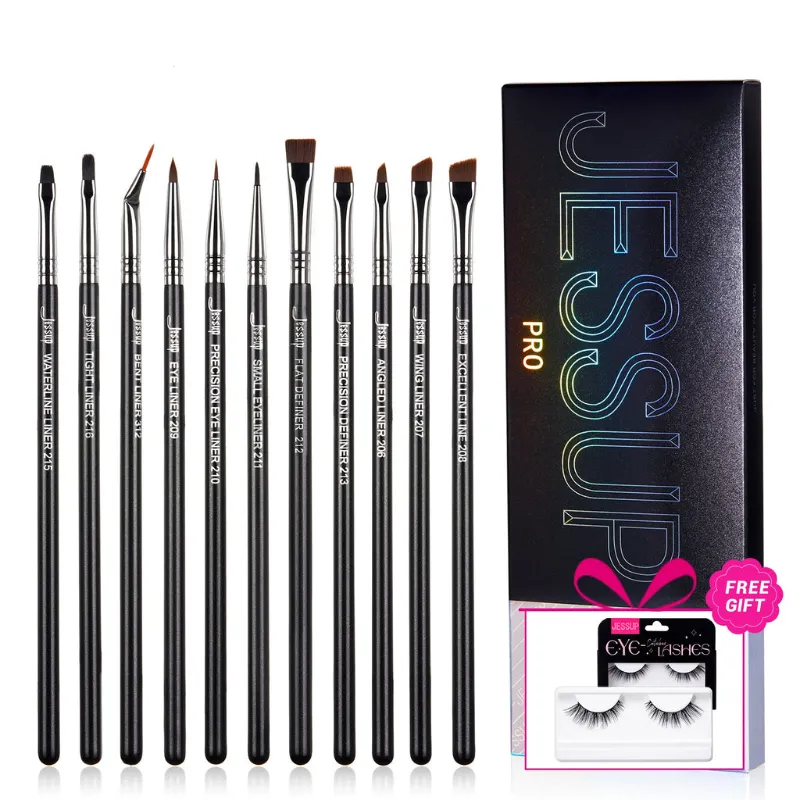
- Eyeliner brush - A thin eyeliner brush with firm, tapered bristles applies gel, powder, or cream liner with precision. Look for synthetic fibers that hold their shape and won't splay after a few uses. An angled eyeliner brush works beautifully for winged liner or filling in brows.
- Blending eyeshadow brush - A fluffy, dome-shaped brush eye tool diffuses harsh lines in the crease. Natural hair blends better than synthetic for powder shadows.
- Flat eyeshadow packer - This firm, flat brush packs color onto the lid. Pair it with a blending brush for dimensional eye looks.
- Lip brush - Lip brushes give you clean edges and help stretch expensive lipsticks further by applying product evenly. Synthetic bristles resist staining and clean easily.
- Foundation or powder brush - Whether you prefer liquid or powder base, one large face brush handles the job. Kabuki styles work for both.
These five cover 90% of everyday makeup. Check the latest price on complete sets that include these fundamentals.
Eye Brushes: Which Styles Actually Matter
Eye makeup demands the most variety, but you don't need a separate brush for every shadow shade. Here's what genuinely helps:
Essential eye tools:
- One flat packing brush for lid color
- One fluffy blending brush for the crease
- One eyeliner makeup brush for precise lines (angled or flat tip)
- One smudge brush (small, dense, tapered) for smoking out liner or lower lash color
Optional upgrades:
- A pencil brush for detailed crease work
- A separate brush for shimmery shadows to prevent glitter contamination
- A clean blending brush kept product-free for final diffusing
Eyeshadow makeup brushes in sets often include 4-6 eye tools. That's enough variety without redundancy. How to Use an Eyeliner Makeup Brush demonstrates the difference between flat and angled tips.
Natural vs. Synthetic Bristles for Different Products
Bristle type matters more than brush count. Match fiber to formula:
| Bristle Type | Best For | Why |
|---|---|---|
| Natural (goat, squirrel, pony) | Powder products (eyeshadow, blush, bronzer) | Holds and releases powder evenly, blends seamlessly |
| Synthetic (taklon, nylon) | Cream and liquid (foundation, concealer, gel liner) | Non-porous so product sits on surface, easier to clean, cruelty-free |
| Mixed | Versatile sets | Balances performance across formulas |
Quality jessup brushes clearly label bristle composition. An eyeliner brush for gel liner needs synthetic fibers that won't absorb product or fray when you clean off waxy formulas. Conversely, the best eyeliner brush for powder liner often uses natural hair for softer application.
The 15 Best Eyeliner Brushes to Address All Your Needs reviews how bristle density affects control.
How to Spot Quality in a Makeup Brush Set
Not all brush sets deliver value. Before buying, evaluate:
- Ferrule security - The metal band connecting bristles to handle should be seamless and tightly crimped. Loose ferrules shed bristles.
- Bristle density - Pinch the brush head gently. It should feel full, not hollow or sparse. Thin brushes don't pick up or deposit product well.
- No shedding - Run your fingers through new bristles. A few loose hairs are normal during manufacturing, but constant shedding signals poor construction.
- Handle balance - The brush should feel balanced in your hand, not top-heavy. Pink makeup brushes and other aesthetic sets sometimes sacrifice ergonomics for looks.
- Shape retention - Press bristles against your palm. They should spring back to their original shape immediately.
Full sets like eye brushes multi-packs let you test quality across several tools at once. Grab the code for 25% off to try a complete collection without overspending.
When Specialty Brushes Are Worth Adding
Once you've mastered the core five, these specialty tools solve specific challenges:
Add these if you:
- Wear winged liner regularly - An ultra-thin angled eyeliner brush gives you the control for sharp flicks that a standard flat brush can't match. MAKE UP FOR EVER's bent eyeliner brush shows how innovative shapes improve precision.
- Contour or highlight often - A small, angled face brush fits under cheekbones and along the nose bridge better than large powder brushes.
- Use cream eyeshadow - A firm synthetic shader prevents dragging on delicate eyelids.
- Apply false lashes - Not a brush, but lash applicators and spoolies help if you wear strips or individuals weekly.
Skip these unless you're a professional:
- Fan brushes (highlighter looks better with a tapered brush)
- Tiny detail brushes under 2mm (too fiddly for home use)
- Duplicate shapes in slightly different sizes
Specialty doesn't mean necessary. A versatile thin eyeliner brush handles tight-lining, wing tips, and brow detailing without needing three separate tools.
Caring for Your Brushes to Extend Their Life
Proper maintenance doubles brush longevity:
- Spot clean daily - Spray a brush cleaner on a microfiber cloth and swipe brushes between colors to prevent muddy application.
- Deep clean weekly - Use gentle shampoo or dedicated brush soap. Swirl in your palm under lukewarm water, rinse until water runs clear.
- Reshape while damp - Reform bristles to their original shape immediately after washing. Never leave them compressed.
- Dry flat or hanging - Lay brushes flat on a towel edge so water doesn't seep into the ferrule, or hang them upside down. Standing brushes upright while wet loosens glue.
- Store properly - Keep brushes in a cup or roll to prevent bristle deformation. Protect natural hair from moths if storing long-term.
An eyeliner makeup brush lasts 1-3 years with weekly cleaning. Replace when bristles splay permanently or shedding increases.
Building Your Set: Start Small and Add Intentionally
Skip the 24-piece mega-sets marketed to beginners. They pad counts with redundant tools you'll never use.
Our recommended approach:
- Start with a 5-7 brush core set that covers eyes, lips, and face
- Use it for 2-3 months to identify gaps in your routine
- Add one specialty brush at a time based on actual needs, not trends
Browse Jessup Beauty's current collection to compare starter sets and individual brushes. Their synthetic options suit beginners who want easy-care tools, while mixed-bristle sets give experienced users more blending control.
You don't need a brush for every step. You need the right brush for each product type, maintained well and replaced when performance drops. A lean, high-quality collection outperforms a drawer full of mediocre tools.
Frequently asked questions
What is an eyeliner makeup brush used for?
An eyeliner makeup brush applies gel, powder, or cream liner along the lash line with precision. Angled or flat tips create sharp wings, tight-line the waterline, or fill in sparse brows. Synthetic bristles work best because they resist absorbing creamy formulas and clean easily.
How many brushes do I actually need in a makeup set?
You need 5-8 core brushes: an eyeliner brush, a blending eyeshadow brush, a flat eyeshadow packer, a lip brush, and a foundation or powder brush. These cover eyes, lips, and face without redundancy. Add specialty tools only after you identify specific gaps in your routine.
Should I choose natural or synthetic bristles for eye brushes?
Use natural bristles (goat, squirrel) for powder eyeshadows because they blend seamlessly. Choose synthetic bristles for cream and gel products like eyeliner or concealer since they don't absorb product and clean more easily. Many quality sets include both types.
What's the difference between an angled and flat eyeliner brush?
A flat eyeliner brush applies bold, even lines and works well for tight-lining. An angled eyeliner brush offers more control for winged liner and precise flicks because the slanted edge guides application along the lash curve. Both use thin, firm bristles for accuracy.
How often should I replace my makeup brushes?
Replace brushes every 1-3 years depending on use and care. Signs you need a new brush include permanent bristle splaying, increased shedding, or a loose ferrule. Weekly deep cleaning and proper drying extend brush life significantly.
Can I use the same brush for powder and gel eyeliner?
It's not ideal. Gel liner requires synthetic bristles that resist absorbing creamy formulas, while powder liner works best with natural or mixed bristles that pick up and deposit powder evenly. Using one brush for both compromises performance and makes cleaning harder.