
How to Clean and Maintain Jessup Makeup Brushes for Longer Lifespan

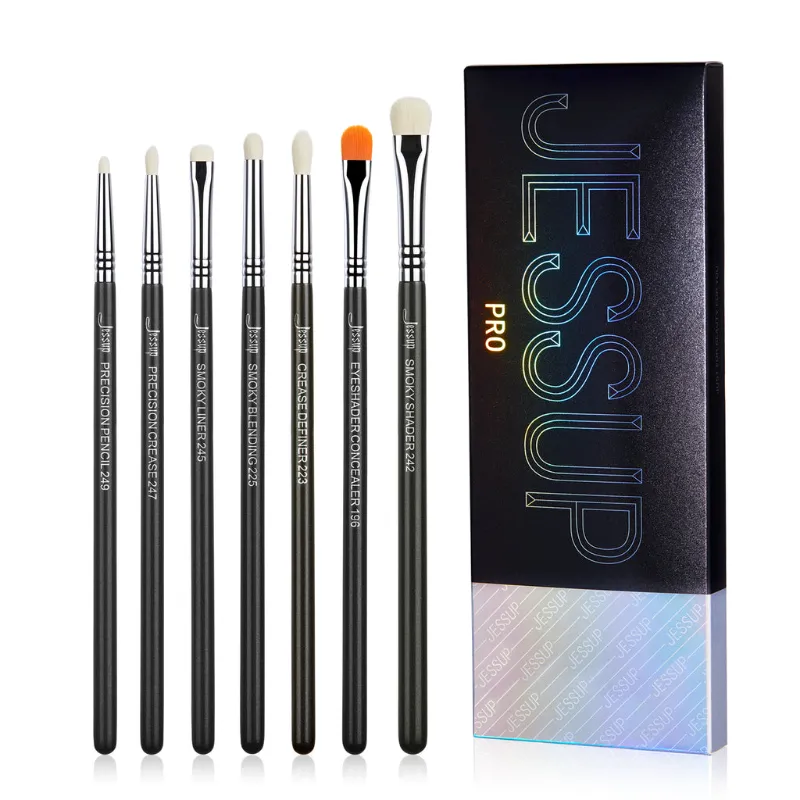
How to Clean and Maintain Jessup Makeup Brushes for Longer Lifespan
Jessup brushes stay soft, hygienic, and effective for years when you clean them weekly with lukewarm water and mild cleanser, then air-dry them flat or bristle-down to prevent water damage to the ferrule. Regular maintenance prevents bacterial buildup, preserves bristle integrity, and protects your investment in quality tools like jessup brushes and specialty sets.
We tested multiple cleaning methods across eye, face, and lip brushes to identify the techniques that extend lifespan without damaging synthetic or natural fibers. This guide walks you through weekly cleaning, deep conditioning, proper drying, and storage practices that keep your Jessup collection in professional condition.
Why Regular Cleaning Extends Jessup Brush Lifespan
Makeup residue, oils, and dead skin cells accumulate in brush fibers with every use. When left unwashed, this buildup hardens bristles, clogs the ferrule, and creates a breeding ground for bacteria that can cause breakouts and infections.
Weekly cleaning prevents these issues and delivers measurable benefits:
- Preserves bristle softness by removing product buildup that stiffens fibers
- Maintains shape retention so your eyeliner makeup brush keeps its precise tip
- Prevents shedding by keeping the glue bond in the ferrule clean and intact
- Protects skin health by eliminating acne-causing bacteria
- Ensures true color payoff since clean brushes pick up pigment accurately
Dirty brushes wear out 3 to 5 times faster than properly maintained ones. The ferrule loosens, bristles splay, and performance degrades rapidly once buildup reaches the metal crimp.
How to Clean Jessup Brushes Weekly
We use this routine for all Jessup brush types, from dense foundation brushes to delicate eye brushes and thin eyeliner brush tools.
What you need:
- Lukewarm water (never hot, which loosens glue)
- Gentle liquid soap, baby shampoo, or dedicated brush cleanser
- Clean towel
- Shallow bowl or your palm
Step-by-step process:
- Wet the bristles under lukewarm running water, pointing downward to prevent water from seeping into the ferrule
- Apply cleanser by swirling the brush in soap on your palm or a textured silicone mat
- Work the lather through the bristles in circular motions until the water runs clear
- Rinse thoroughly with bristles angled down, checking that no soap residue remains
- Gently squeeze excess water from the bristles using a clean towel
- Reshape the brush head to its original form while damp
- Dry flat on a towel edge with bristles hanging over the counter, or use a drying rack that suspends them upside-down
Never stand wet brushes upright in a cup. Water travels down into the ferrule, loosens the adhesive, and causes the handle to separate from the brush head.
For pricing on replacement sets or to grab the code for 25% off your next order, check our Jessup Beauty discount page.
Deep Cleaning Methods for Stubborn Buildup
When product buildup feels waxy or sticky even after regular washing, your eyeshadow makeup brushes and face brushes need a deeper clean.
Oil cleansing for heavy makeup: Mix one part olive oil with two parts gentle dish soap. The oil breaks down waterproof formulas and cream products that regular soap cannot touch. Swirl the brush through the mixture, rinse, then follow with a standard soap wash to remove oil residue.
Vinegar rinse for disinfection: Add one tablespoon white vinegar to a cup of lukewarm water. After shampooing your brushes, dip them briefly in the vinegar solution, then rinse clean. This step kills bacteria and dissolves mineral buildup from hard water.
Conditioning natural bristles: If you own Jessup brushes with natural hair (goat, pony, or squirrel), apply a tiny drop of hair conditioner to the tips after cleaning once monthly. Rinse thoroughly. This prevents natural fibers from becoming brittle and maintains their flexibility.
Avoid alcohol-based cleansers for daily use. While they work for quick spot-cleaning between clients, repeated alcohol exposure dries out both synthetic and natural bristles, causing them to crack and shed.
Proper Drying and Storage Techniques
How you dry and store your brushes matters as much as how you clean them.
Drying best practices:
- Lay brushes flat on a clean towel with bristles extending off the edge of a counter
- Use a mesh drying rack or brush tree that suspends them at an angle
- Allow 6 to 8 hours for small lip brushes and 12 to 24 hours for dense kabuki or powder brushes
- Avoid direct sunlight or heat sources that warp handles and damage glue
Storage solutions that protect your investment:
| Storage Method | Best For | Why It Works |
|---|---|---|
| Upright cup (bristles up) | Daily-use brushes after fully dry | Maintains shape, easy access |
| Flat drawer organizer | Large collections | Protects from dust, prevents bristle bending |
| Roll-up brush case | Travel | Keeps brushes separated and clean on the go |
| Magnetic strip or stand | Display and access | Prevents bristle contact with surfaces |
Store your pink makeup brushes and other sets away from humid bathrooms when possible. Excess moisture encourages mold growth in natural bristles and weakens ferrule adhesive over time.
Maintenance Schedule by Brush Type
Different Jessup brushes require different cleaning frequencies based on how you use them.
Weekly cleaning (minimum):
- Foundation and concealer brushes
- Cream product brushes
- Eyeshadow makeup brushes used with wet application
After every use:
- Eyeliner makeup brush and precision liner tools
- Lip brushes (to prevent color mixing and bacteria transfer)
- Any brush used near eyes or broken skin
Every 2 weeks:
- Powder brushes (blush, bronzer, setting powder)
- Eye brushes used only with dry powder shadows
Spot-clean between deep washes using a quick-dry brush spray or isopropyl alcohol misted on a paper towel. Swirl the brush through the dampened towel to remove surface makeup without a full wash.
For the current discount on Jessup brush sets and individual tools, visit our Jessup Beauty discount code page where we maintain updated offers.
Signs Your Jessup Brushes Need Replacement
Even with perfect maintenance, brushes eventually wear out. Replace your tools when you notice:
- Persistent shedding after multiple washes (more than 3 to 5 hairs per use)
- Splayed bristles that no longer hold their shape when reshaped while damp
- Loose ferrule that twists or slides on the handle
- Scratchy texture that irritates skin despite conditioning
- Permanent discoloration that doesn't wash out (indicates deep product saturation)
Quality jessup brushes typically last 2 to 5 years with weekly cleaning. Precision tools like a thin eyeliner brush may need replacement sooner due to the delicate nature of ultra-fine tips, while denser face brushes often outlast smaller eye tools.
Budget for replacement by tracking how your brushes perform. When application takes more effort or product doesn't blend as smoothly, the bristles have likely degraded beyond repair.
Quick Maintenance Tips for Busy Schedules
If you cannot commit to weekly deep cleaning, these shortcuts maintain hygiene without the full routine:
- Keep a daily brush spray at your vanity and mist brushes after each use
- Designate specific brushes for specific products to reduce cross-contamination
- Wash your three most-used brushes mid-week, then rotate to your backup set
- Use disposable sponge applicators for cream products when short on time
- Deep-clean your entire collection once monthly as a minimum standard
We recommend building a rotation of duplicate brushes for your most-used tools. Owning two sets of eye brushes means one set can dry completely while you use the backup, ensuring you always have clean tools ready.
Proper care protects your investment and your skin. Clean jessup brushes apply makeup more evenly, feel softer on your face, and deliver the professional results these tools are designed to provide.
Frequently asked questions
How often should I clean my jessup brushes?
Clean foundation and concealer brushes weekly at minimum, eyeliner and lip brushes after every use, and powder brushes every two weeks. Frequent cleaning prevents bacterial buildup and extends brush lifespan.
Can I use regular soap to clean makeup brushes?
Yes, gentle liquid soap, baby shampoo, or dish soap works well for cleaning Jessup brushes. Avoid harsh detergents or bar soaps that can leave residue and dry out bristles.
Why is my eyeliner brush shedding after washing?
Shedding usually means water reached the ferrule and loosened the glue. Always wash with bristles pointing down and never submerge the metal part. A few stray hairs are normal, but persistent shedding means the brush needs replacement.
How long does it take for makeup brushes to dry completely?
Small eye and lip brushes dry in 6 to 8 hours, while dense face brushes need 12 to 24 hours. Always dry them flat or angled downward, never upright, to prevent water damage to the ferrule.
Can I speed up brush drying with a hair dryer?
No, heat from a hair dryer can melt the glue in the ferrule, warp synthetic bristles, and damage handles. Air-drying at room temperature is the only safe method.
What causes makeup brushes to become scratchy over time?
Product buildup, hard water minerals, and lack of conditioning make bristles stiff and scratchy. Regular cleaning with a vinegar rinse and occasional conditioning restores softness to natural hair brushes.