
What Are Bully Sticks Actually Made Of? Ingredients Explained

What Are Puppy Bully Sticks Actually Made Of?
Puppy bully sticks are made from 100% beef pizzle (bull penis), slow-dried into a long-lasting, digestible chew that's naturally high in protein. Unlike rawhide or synthetic chews, a quality bully stick contains just one ingredient with no fillers, additives, or artificial preservatives. That simplicity makes them a popular first chew for puppies and a safe alternative for dogs of all ages.
We've tested dozens of natural chews, and understanding exactly what goes into bully sticks helps you choose the safest option for your dog. Below we break down the ingredients, processing methods, and how they compare to other popular chews like yak and collagen.
Single-Ingredient Bully Stick Breakdown
A true bully stick for dogs contains only beef pizzle. Here's what that means in practice:
- Beef pizzle – the muscle tissue is trimmed, cleaned, stretched, and slow-dried or baked at low temperatures.
- No artificial additives – reputable brands skip dyes, flavors, and chemical preservatives.
- High protein content – typically 70-90% protein by weight, with minimal fat and moisture.
- Natural enzymes – the drying process preserves nutrients and creates a firm, chewy texture that helps scrape plaque.
When you see bully stick ingredients listed as "beef pizzle" or "beef muscle," you're looking at a single-source product. Some lower-quality versions add rawhide wraps or flavor coatings, so always check the label. For current pricing and our exclusive code, grab the discount here.
How Bully Sticks Are Processed
Processing matters as much as the raw material. Most manufacturers follow a similar path:
- Source and trim – pizzles are sourced from USDA-inspected facilities (look for country-of-origin labels).
- Clean and shape – tissue is washed, stretched into straight or braided shapes, and sometimes hung to dry.
- Slow-dry or bake – low-heat drying (usually 24-48 hours) locks in nutrients and creates the chewy texture without chemical curing.
- Quality check – reputable brands test for bacteria and ensure consistent thickness.
Safest Dog Chews highlights that air-drying and oven-baking are the gold standards, as they avoid the need for preservatives and reduce the risk of contamination.
Bully Sticks vs. Yak Chews and Collagen Sticks
Not all natural chews start with beef pizzle. Here's how the leading alternatives stack up:
| Chew Type | Main Ingredient | Texture | Best For |
|---|---|---|---|
| Bully Stick | Beef pizzle | Medium-firm, digestible | Daily chewing, puppies 8 weeks+ |
| Yak Chews | Yak and cow milk, lime, salt | Very hard, long-lasting | Power chewers, supervised sessions |
| Collagen Chews | Beef collagen (hide layer) | Softer, faster breakdown | Seniors, gentle chewers |
Himalayan yak chews and yaki chew products are made by boiling yak and cow milk with lime juice and salt, then hardening the curd into a dense stick. They're lactose-free after processing but much harder than bully sticks. Collagen sticks come from the collagen-rich inner layer of beef hide, not pizzle, and tend to be softer and quicker to consume.
If you want a single-ingredient beef option, stick with the bully stick for dogs. For variety, yak chees and bully bunches blueberry yak chew offer flavor twists, though they introduce additional ingredients like fruit powder.
Are Bully Sticks Safe for Puppies?
Yes, when chosen correctly. Puppies can start bully sticks as early as 8 weeks, once their baby teeth are in. Key safety tips include:
- Size matters – choose thin or 6-inch puppy bully sticks for small mouths; thicker 12-inch versions suit larger breeds.
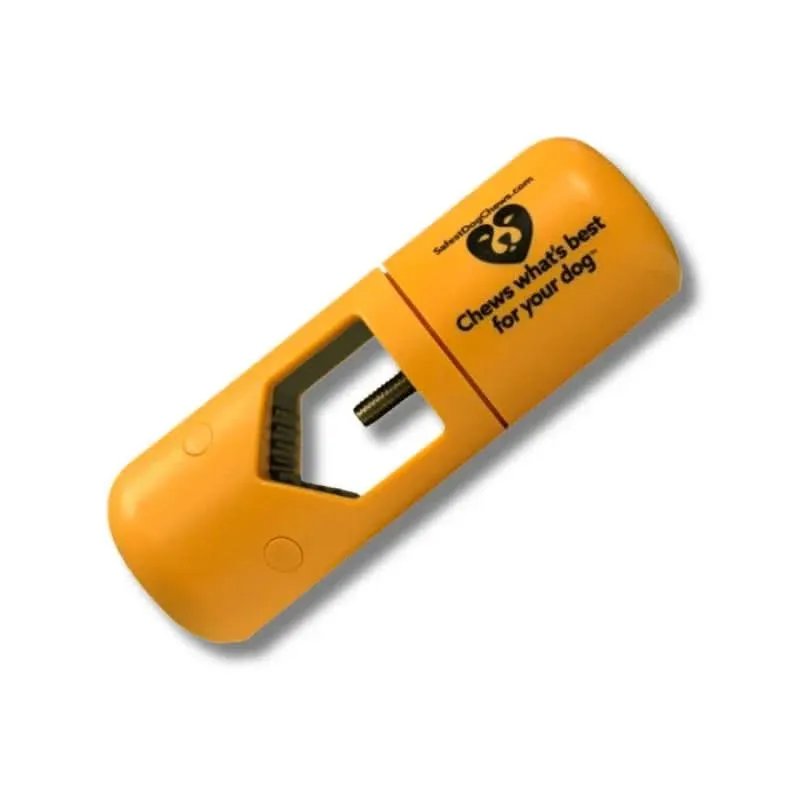
- Supervise chewing – remove the last 2-3 inches to prevent choking, or use a bully stick holder.
- Limit session time – 10-15 minutes per day helps avoid upset stomach in young pups.
- Check the source – safe dog chews come from inspected facilities with clear ingredient lists.
Veterinarians confirm that bully sticks are digestible and pose minimal risk when sized appropriately. Watch for loose stools if your puppy overindulges, and always provide fresh water during chew sessions.
What About Bully Stick Side Effects?
Bully sticks are generally safe, but a few considerations apply:
- Calorie content – a 6-inch stick can contain 50-90 calories, so factor that into your dog's daily intake.
- Odor – some bully sticks smell strongly; look for "low-odor" or "odor-free" processing if you're sensitive.
- Digestive upset – overfeeding can cause diarrhea; start with short sessions and monitor stool consistency.
- Choking hazard – always supervise and remove small end pieces.
We recommend rotating between bully stick, collagen chews for dogs, and yak chews to keep variety in your dog's routine and avoid over-reliance on any single treat. Check the latest prices and our code to stock up on all three.
How to Choose the Best Bully Stick
When shopping, look for these markers of quality:
- Single ingredient – "beef pizzle" or "beef muscle" should be the only line on the label.
- Country of origin – USA, Canada, or Brazil with USDA oversight are reliable; avoid vague "imported" labels.
- Thickness and length – match the size to your dog's weight and chew strength.
- Processing method – air-dried or oven-baked beats chemical preservatives.
- Third-party testing – brands that publish safety certificates or Certificates of Analysis earn extra trust.
Our tests show that puppy bully sticks from Safest Dog Chews meet all five criteria, and you can save 6% on your order with our exclusive code.
Final Thoughts
Bully sticks are made from a single, natural ingredient—beef pizzle—that's dried into a protein-rich, digestible chew. They're safe for puppies as young as 8 weeks, provided you choose the right size and supervise chew time. Unlike rawhide or synthetic treats, quality bully sticks contain no fillers or chemicals, making them one of the cleanest options on the shelf. Whether you pair them with yak chews for variety or stick to beef-only collagen sticks, understanding the ingredients ensures you're giving your dog a chew that's both enjoyable and safe.
Frequently asked questions
What exactly are bully sticks made from?
Bully sticks are made from 100% beef pizzle (bull penis) that's cleaned, stretched, and slow-dried. Quality versions contain no additives, preservatives, or fillers—just single-ingredient beef muscle.
Can 8 week old puppies have bully sticks?
Yes, puppies can start bully sticks at 8 weeks once their baby teeth emerge. Choose thin or shorter sticks, supervise closely, and limit sessions to 10-15 minutes to prevent digestive upset.
Are bully sticks safer than rawhide?
Yes, bully sticks are fully digestible and made from a single ingredient, while rawhide can swell in the stomach and often contains chemical additives. Veterinarians generally recommend bully sticks as a safer alternative.
Do bully sticks have any side effects for dogs?
Bully sticks are safe for most dogs, but overfeeding can cause diarrhea due to high protein and fat. They also add calories to your dog's diet, so adjust meal portions accordingly and always supervise to prevent choking on small end pieces.
How do bully sticks compare to yak chews?
Bully sticks are made from beef pizzle and have a medium-firm texture, while yak chews come from hardened milk curd and are much denser. Yak chews last longer but require stronger jaws, making bully sticks better for puppies and moderate chewers.
Should I use a bully stick holder?
A bully stick holder is helpful for safety, especially as the chew gets short. It prevents your dog from swallowing the last 2-3 inches whole, reducing choking risk and extending the life of each stick.