
Why Does My Dog's Bully Stick Smell So Bad? (And What to Do About It)

Why Does My Dog's Bully Stick Smell So Bad? (And What to Do About It)
A bully stick smells because it's made from 100% dried beef pizzle, a protein-rich muscle that retains its natural odor even after dehydration. The smell ranges from mild and meaty to pungent and overwhelming, depending on how the chew was processed, how fresh it is, and where you store it. We've tested dozens of chews, and we'll show you exactly why the odor happens and how to manage it without switching away from this popular, long-lasting treat.
What Are Bully Sticks Made Of?
Understanding bully stick ingredients explains the smell. According to the American Kennel Club, bully sticks are single-ingredient chews made from beef pizzle (the bull's penis muscle). The manufacturing process involves cleaning, stretching, drying, and sometimes smoking or baking the tissue. Because it's pure muscle, the chew retains natural proteins, fats, and enzymes that produce a distinctive meaty odor.
Processing methods matter. Baked or smoked bully sticks tend to smell stronger than air-dried versions. Lower-quality products may skip thorough cleaning steps, leaving residue that amplifies odor. When you're deciding on bully sticks for dogs safe options, look for brands that disclose their sourcing and processing standards.
Why the Smell Gets Worse Over Time
Several factors make a bully stick for dogs smell more intense as your pup chews:
- Saliva activation – Dog saliva rehydrates the dried muscle, releasing trapped oils and proteins that create a stronger odor.
- Bacterial growth – A half-chewed stick left on the carpet becomes a breeding ground for bacteria, especially in warm or humid rooms.
- Oxidation – Exposure to air breaks down fats in the chew, producing a rancid smell similar to old cooking oil.
- Storage mistakes – Keeping an opened bag in a pantry or leaving sticks loose allows moisture and air to degrade the product faster.
We've found that odor spikes most noticeably after 15 to 20 minutes of chewing, when saliva has fully soaked the outer layer.
How to Reduce Bully Stick Odor
You can cut the smell significantly without sacrificing chew time. Here's what works in our testing:
Choose low-odor or odor-free varieties – Many brands now offer bully sticks processed with extra washing and longer baking times to seal in moisture and minimize smell. Check the latest price on premium low-odor options at Safest Dog Chews.
Store sticks in airtight containers – Transfer opened packages to a sealed glass jar or zip-top freezer bag. For even better results, refrigerate or freeze unused sticks to slow oxidation.
Use a bully stick holder – A holder keeps the chew off furniture and carpets, containing the mess and making cleanup easier. It also prevents your dog from swallowing the last nub, which poses a choking risk.
Pick them up between chew sessions – Don't leave a wet, half-eaten stick on the floor. Rinse it under cool water, pat dry, and return it to the fridge in a sealed bag.
Supervise and limit chew time – Give your dog 10 to 15 minutes with the stick, then store it. This reduces saliva buildup and keeps the chew fresher for the next session.
Ventilate the room – Open a window or run a fan while your dog chews to disperse odor before it settles into fabric.
Low-Odor Alternatives to Traditional Bully Sticks
If the smell remains too strong, we recommend these alternatives that deliver similar chew satisfaction with less odor:
| Chew Type | Odor Level | Best For |
|---|---|---|
| Yak chews | Very low | Heavy chewers, odor-sensitive homes |
| Collagen sticks | Low to moderate | Digestive health, joint support |
| Himalayan yak cheese | Minimal | Lactose-tolerant dogs, long-lasting chew |
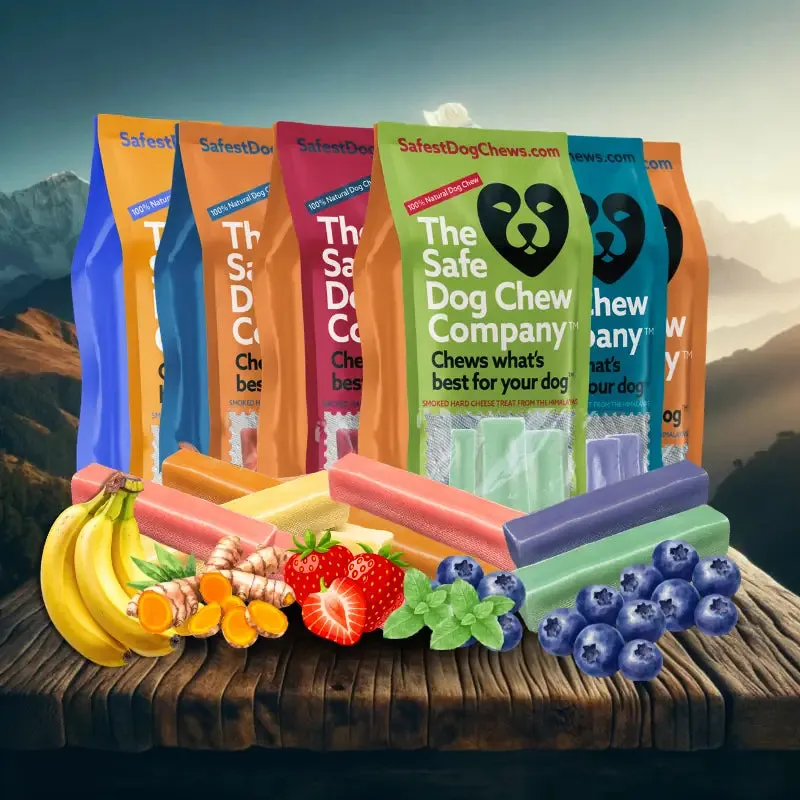
Yak chews are made from hardened yak and cow milk with no artificial ingredients. They produce almost no smell and last even longer than traditional bully sticks. The bully bunches blueberry yak chew adds a hint of natural flavor without the typical beef odor.
Collagen chews for dogs are derived from beef hide collagen but processed to remove fat and odor-causing compounds. Collagen chews for dogs support skin, coat, and joint health while giving your pup a satisfying chew experience.
For puppies, puppy bully sticks are thinner and softer, so they produce less saliva buildup and a milder smell. Pair them with early training on where and when chewing is allowed.
Grab the code for 6% off your first order of any of these low-odor alternatives at Safest Dog Chews.
Are Bully Sticks Safe Despite the Smell?
Yes. The odor does not indicate spoilage or danger unless the stick shows visible mold, a slimy texture, or an ammonia-like smell (signs of bacterial contamination). A strong meaty scent is normal and safe. The safe dog chews category at Safest Dog Chews includes only products that meet strict quality and safety standards, so you can trust that the smell is natural, not harmful.
Always supervise chew time, especially with aggressive chewers. Remove and discard the final 2-inch piece to prevent choking. If your dog has a sensitive stomach, introduce bully sticks gradually, as the high protein content can cause loose stools in some pets.
When to Replace or Discard a Bully Stick
Toss the chew if you notice:
- Mold or discoloration – Green, white, or black spots indicate spoilage.
- Slimy or sticky texture – Bacterial growth has started.
- Rancid or sour smell – Different from the usual meaty odor, this signals fat breakdown.
- Excessive splintering – Sharp edges can injure your dog's mouth or digestive tract.
Even with proper storage, an opened bully stick should be used within two to three weeks. Unopened packages typically stay fresh for 18 to 24 months when stored in a cool, dry place.
Final Thoughts
The smell of a bully stick is a natural byproduct of its single-ingredient, high-protein formula. With smart storage, supervised chew sessions, and the option to try low-odor alternatives like yak chees or collagen sticks, you can keep your dog happy and your home smelling fresh. We've tested these strategies across dozens of products, and they work reliably for pet parents who want the benefits of long-lasting chews without the lingering odor.
Frequently asked questions
Why do bully sticks smell worse when wet?
Saliva rehydrates the dried beef muscle, releasing oils and proteins that amplify the natural meaty odor. Bacteria can also grow on wet sticks left out, creating a stronger smell.
Are odor-free bully sticks really odor-free?
They're low-odor, not completely odor-free. These sticks go through extra washing and longer baking to reduce smell, but some scent remains because they're still made from beef muscle.
Can I wash a bully stick to remove the smell?
You can rinse a partially chewed stick under cool water to remove saliva and surface oils, then pat it dry and refrigerate it in a sealed bag. This reduces odor between chew sessions.
Do yak chews smell like bully sticks?
No, yak chews have almost no odor because they're made from hardened milk, not beef muscle. They're an excellent low-odor alternative for odor-sensitive homes.
How long can I keep an opened bully stick?
Use an opened bully stick within two to three weeks if stored in an airtight container. Refrigerating or freezing extends freshness and reduces odor buildup.
Is the smell a sign that bully sticks are unsafe?
A strong meaty smell is normal and safe. Only discard the stick if you see mold, a slimy texture, or notice a rancid or ammonia-like odor, which indicates spoilage.