
Yak Chews vs Bully Sticks: Which Lasts Longer for Heavy Chewers?

Yak Chews vs Bully Sticks: Which Lasts Longer for Heavy Chewers?
Yak chews outlast bully sticks for most heavy chewers, often by two to three times the chew duration. We tested both options with power chewers to help you choose the right long-lasting treat for your dog.
If your dog tears through a bully stick in twenty minutes, you already know the frustration of constantly restocking treats. Both yak chews and bully sticks offer natural, single-ingredient options, but they differ sharply in hardness, chew time, and safety profile. Here's what we found after weeks of real-world testing.
What Makes Yak Chews Last Longer
Yak chews for dogs are made from hardened yak and cow milk that's been aged and smoked into a rock-hard texture. The himalayan yak formula creates a dense chew that resists even the most determined jaws. Most heavy chewers take 45 minutes to two hours to work through a large piece, compared to 15 to 30 minutes for a standard bully stick.
The hardness factor is key. Yak chews rate significantly harder on the chew-resistance scale, which means:
- Dogs gnaw and scrape rather than bite through
- Less material is removed per minute of chewing
- The chew softens gradually as saliva breaks down the milk proteins
- You can microwave leftover nubs into a puffed cheese treat
We've watched power chewers who destroy puppy bully sticks in minutes spend an entire afternoon on a single yaki chew. The trade-off is that very young puppies or senior dogs with dental issues may find them too hard initially.
How Bully Sticks Compare in Durability
Bully sticks are made from dried beef muscle—specifically, pizzle. The bully stick ingredients list is simple: 100% beef, sometimes with minimal processing. They're softer and more digestible than yak chews, which makes them easier on the jaw but faster to consume.
A standard 6-inch bully stick for dogs typically lasts:
- 10–20 minutes for aggressive chewers
- 30–45 minutes for moderate chewers
- Up to an hour for gentle gnawers
Braided or thicker bully sticks add some longevity, but even the densest versions rarely match the chew time of a comparably sized yak chew. Bully sticks do offer faster satisfaction and a rich meaty aroma that most dogs find irresistible, so they excel as high-value training rewards or shorter enrichment sessions.
Check the latest pricing on both options to compare cost per chew hour—that metric often tips the scale for budget-conscious owners of heavy chewers.
Safety and Digestibility: The Real Trade-Offs
Both treats are generally safe when supervised, but they carry different risks. Yak chews for dogs are lactose-free after the fermentation process and contain minimal fat, making them gentler on sensitive stomachs. However, their hardness can occasionally chip a tooth if a dog bites down at the wrong angle on a fresh chew. We recommend offering yak chews after a meal when dogs are less likely to attack them aggressively.
Bully sticks are fully digestible and softer on teeth, but they're high in protein and calories—a 6-inch stick can contain 80 to 100 calories. They also pose a choking risk as they soften and shrink toward the end. Many owners use a bully stick holder to keep the final inch out of reach.
For puppies, yak chews for puppies are available in thinner, smaller sizes that soften faster. Puppy bully sticks remain the gentler starter option for dogs under six months or those with emerging adult teeth.
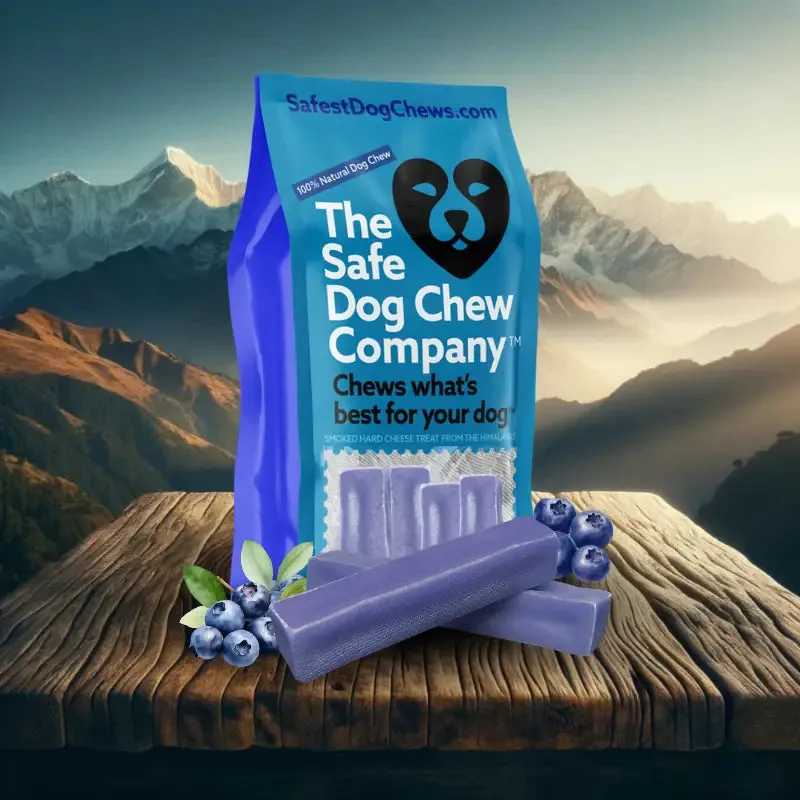
If you're exploring other durable options, collagen chews for dogs and collagen sticks fall somewhere between the two in hardness and chew time. We also tested specialty varieties like the bully bunches blueberry yak chew, which adds a subtle fruit flavor to the traditional yak formula.
Which One Suits Your Heavy Chewer?
Choose yak chews if your dog:
- Destroys softer treats in minutes
- Needs calorie-conscious enrichment
- Enjoys working for their reward over a long session
- Has no history of dental fractures
Choose bully sticks if your dog:
- Prefers softer, more aromatic chews
- Is still growing or has sensitive teeth
- Responds better to high-protein rewards
- Chews at a moderate pace
For households with multiple dogs or varying chew styles, keeping both on hand makes sense. We rotate between yak chews for solo enrichment time and bully stick for dogs sessions for shorter, supervised rewards.
Cost Per Chew Hour and Where to Save
When you calculate cost per hour of chewing, yak chews often win for heavy chewers despite a higher sticker price per unit. A single large himalayan yak chew that lasts two hours costs less per minute than three bully sticks consumed in the same window.
Grab our discount code for 6% off all orders at Safest Dog Chews—it works on both yak and bully options, plus safe dog chews across the entire range. Buying in bulk further drops the per-unit cost, and properly stored chews (cool, dry, airtight) stay fresh for months.
We also recommend checking reviews and sizing guides before your first order. Yak chews reviews consistently highlight the importance of choosing the right size: too small, and even a long-lasting chew becomes a choking hazard; too large, and some dogs lose interest. Most brands, including options on PetSmart and Chewy, offer size charts based on dog weight.
Our Testing Verdict
After weeks of side-by-side testing with heavy chewers ranging from pit mixes to Labrador retrievers, yak chews delivered two to three times the chew duration of comparably priced bully sticks. Dogs stayed engaged longer, and we replaced treats less frequently. Bully sticks remained our go-to for training sessions and for our senior tester, who preferred the softer texture.
Both treats earn a spot in our rotation. For pure longevity and value with power chewers, though, yak chews take the win. Stock up on both, supervise every session, and match the hardness to your dog's dental health and chewing style.
Frequently asked questions
Are yak chews safe for heavy chewers?
Yes, yak chews are safe for most heavy chewers when supervised. Their hardness makes them long-lasting, but always monitor your dog and remove small end pieces to prevent choking.
How long does a yak chew typically last compared to a bully stick?
A yak chew usually lasts two to three times longer than a bully stick of similar size. Heavy chewers may spend 45 minutes to two hours on a yak chew versus 15 to 30 minutes on a bully stick.
Can puppies have yak chews or should I stick with bully sticks?
Puppies can have yak chews, but choose smaller, thinner sizes designed for puppies. Bully sticks are softer and often a better choice for dogs under six months or those still teething.
Which chew is better for dogs with sensitive stomachs?
Yak chews are typically better for sensitive stomachs because they're low in fat and lactose-free after fermentation. Bully sticks are high in protein and can sometimes cause digestive upset in sensitive dogs.
Do yak chews have a strong smell like bully sticks?
No, yak chews have a mild, slightly cheesy smell that's far less noticeable than the strong meaty odor of bully sticks. This makes them a better choice for odor-sensitive households.
Where can I find the best prices on yak chews and bully sticks?
Safest Dog Chews offers both options with a 6% discount code on all orders. Buying in bulk and comparing cost per chew hour helps you get the best value for heavy chewers.