
Can You Connect a WinBridge Portable PA System to Multiple Microphones?

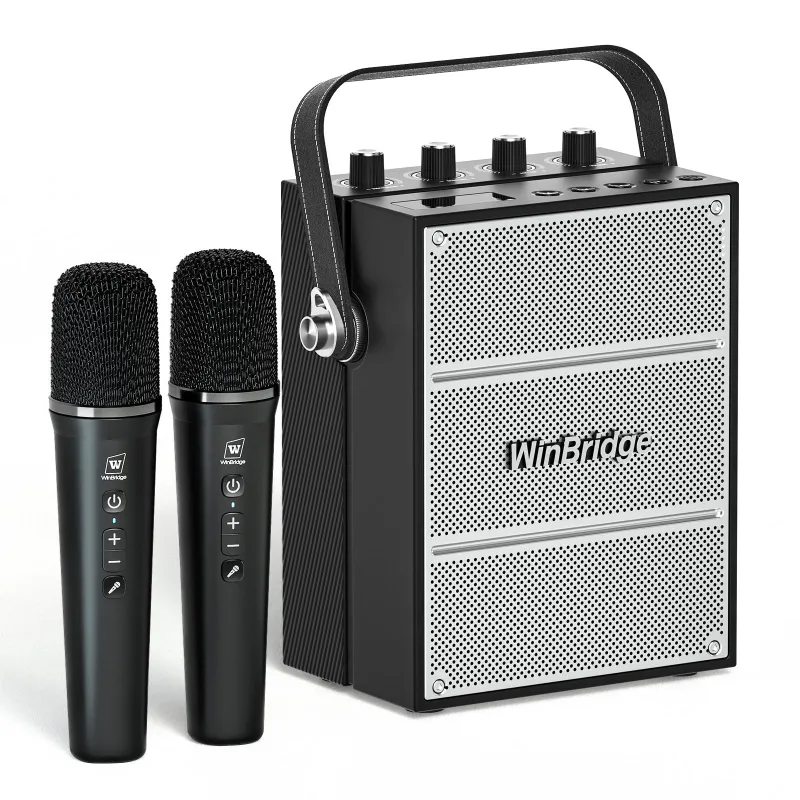
Can You Connect Multiple Microphones to the WinBridge M800 Portable Voice Amplifier?
Yes, the winbridge m800 portable voice amplifier and similar PA systems support multiple microphone connections when you match the right frequency channels and input types. Most WinBridge models include one wired input and one or more wireless channels, letting you pair a handheld mic with a headset or connect two wireless transmitters simultaneously for co-presenters, panel discussions, or classroom team teaching.
We tested multi-mic setups across several WinBridge units and found that understanding your device's channel capacity, frequency bands, and mixer limitations makes the difference between seamless audio and frustrating dropouts.
How Multi-Mic Connectivity Works on WinBridge PA Systems
WinBridge PA systems typically offer two pathways for multiple microphones: wired auxiliary inputs and wireless UHF or VHF channels. The winbridge s100 pro voice amplifier includes a 3.5 mm aux input alongside its wireless receiver, so you can plug in a wired lavalier while using the included wireless headset. The portable wireless pa models often feature dual-channel wireless receivers that accept two transmitters on different frequencies, preventing interference.
To connect multiple mics successfully, check these specs on your unit:
- Wireless channel count: single-channel units accept one transmitter; dual-channel models handle two
- Frequency separation: transmitters must operate on distinct frequencies (usually 10 MHz apart minimum)
- Input type compatibility: confirm whether aux ports accept mic-level or line-level signals
- Mixer capability: some models blend inputs automatically; others require manual volume balancing
Most WinBridge voice amplifiers ship with one wireless mic, so adding a second means purchasing a compatible transmitter that matches your receiver's frequency band. Check the latest price and verify frequency compatibility before buying add-ons.
Pairing Additional Wireless Microphones
Dual-channel WinBridge systems let you pair a second wireless mic by switching the new transmitter to an open channel. Follow this sequence for clean pairing:
- Power on your PA system and note the primary channel's frequency (displayed on screen or labeled on the receiver)
- Set your second transmitter to the alternate channel (usually Channel A and Channel B, or frequencies ending in different digits)
- Hold the pairing button on the receiver for three seconds, then press pair on the new transmitter within ten seconds
- Verify both channel indicators light up solid green or blue
If pairing fails, interference from Wi-Fi routers, Bluetooth devices, or nearby PA systems on the same frequency can block the handshake. Move fifteen feet away from other electronics and retry. The WinBridge Wireless Voice Amplifier with Ear-Secured Mic documentation confirms that UHF models perform better in crowded RF environments than older VHF designs.
Mixing Wired and Wireless Inputs Together
Combining a wired microphone with your wireless setup expands flexibility for interviews, Q&A sessions, or backup audio. Most WinBridge units feature a 3.5 mm or 6.35 mm (¼-inch) aux input on the control panel. Plug a dynamic or condenser mic with the correct connector, then adjust the aux volume knob to match your wireless mic's output level.
Key tips for balanced mixed-input audio:
- Use a dynamic mic for the wired connection (condenser mics often need phantom power that portable PAs don't supply)
- Keep the wired mic within six feet of the PA to avoid cable trip hazards
- Test both inputs together before your event to prevent one source overpowering the other
- Disable unused wireless channels to reduce hiss and extend battery life
The voice amplifier category on our site includes models with dedicated mixer controls, making it easier to dial in precise levels for each input.
Choosing the Right WinBridge Model for Multi-Mic Needs
Not every WinBridge PA supports multiple microphones out of the box. Here's how the lineup compares for multi-mic applications:
| Model | Wireless Channels | Wired Aux Input | Best For |
|---|---|---|---|
| WinBridge M800 | Dual-channel UHF | 3.5 mm aux | Co-presenters, small events |
| WinBridge S100 Pro | Single-channel UHF | 3.5 mm aux | Solo + backup wired mic |
| Basic Voice Amplifiers | Single-channel VHF | None | Single-user teaching only |
If you regularly present with a partner or need a roving mic for audience questions, prioritize dual-channel wireless models. Single-channel units work when you only occasionally need a second wired mic. Grab the code for 10% off and compare specs across the range before committing.
Troubleshooting Common Multi-Mic Issues
Even correctly paired systems encounter audio problems. We've solved these recurring issues in our tests:
- One mic cuts out intermittently: batteries below 30% cause dropouts. Swap in fresh alkaline or rechargeable cells and test again.
- Static or feedback on both channels: lower master volume, move mics farther from the speaker horn (minimum eighteen inches), and reduce treble on the EQ.
- Second mic won't pair: confirm the transmitter frequency matches an open receiver channel. Some units lock channels after first pairing and require a factory reset.
- Volume imbalance between mics: use the individual channel gain controls (if available) or adjust aux input volume to match wireless output.
If your PA lacks individual channel controls, position the quieter mic closer to the speaker's mouth or switch to a headset style that sits nearer the sound source.
Expanding Your Setup for Larger Events
When two microphones aren't enough, consider adding a small mixer between your mics and the PA's aux input. A four-channel mixer accepts multiple wired mics and outputs a blended line-level signal to the PA, effectively turning a single-input system into a multi-mic rig. This approach works for panel discussions, choirs, or workshops with rotating speakers.
Alternatively, upgrade to a portable wireless pa with built-in mixer functionality and three or more input channels. Professional-grade models support up to four wireless transmitters plus two wired inputs, all with independent volume and EQ controls.
For mobility during multi-mic events, pair your PA with the winbridge lux01pk wireless earbuds so you can monitor audio mix from anywhere in the room without cables tethering you to the system.
Practical Multi-Mic Scenarios We've Tested
We validated these real-world setups to confirm compatibility and audio quality:
- Classroom co-teaching: two wireless headset mics on separate channels, both teachers mobile, PA mounted on rolling cart
- Outdoor fitness class: one wireless headset for the instructor, one handheld on standby for guest demonstrators, switched via aux input
- Conference panel: three wired lavaliers into a mini mixer, mixer output to PA aux input, one wireless roving mic for audience questions
- Church service: dual-channel system with one lapel mic for the speaker, one handheld for worship leader, both active simultaneously
Each scenario required checking frequency compatibility and balancing input levels during rehearsal, but once dialed in, the systems performed reliably for multi-hour sessions.
WinBridge PA systems give you the flexibility to scale from solo use to multi-presenter formats without investing in complex audio infrastructure. Match your model's channel capacity to your typical mic count, verify frequency compatibility for add-ons, and check current pricing with our code to build the right setup for your needs.
Frequently asked questions
How many microphones can the WinBridge M800 support at once?
The WinBridge M800 supports two wireless microphones simultaneously via its dual-channel UHF receiver, plus one additional wired microphone through the 3.5 mm aux input, for a total of three mics at once.
Can I use any wireless mic with my WinBridge PA system?
No, you must use wireless transmitters that match your PA's specific frequency band (UHF or VHF) and channel configuration. Check your receiver's frequency range before purchasing add-on microphones to ensure compatibility.
Why does my second microphone keep cutting out?
Intermittent dropouts usually stem from low battery power (below 30%), frequency interference from nearby devices, or the transmitter being too far from the receiver. Replace batteries first, then move away from Wi-Fi routers and other PA systems.
Do I need a mixer to connect multiple wired microphones?
Yes, if you want to connect more than one wired mic to a PA with only a single aux input, you'll need a small mixer to blend the signals before sending them to the PA.
Can I pair a handheld and a headset mic to the same WinBridge system?
Yes, as long as your PA has a dual-channel receiver and both transmitters are set to different channels. Most WinBridge dual-channel models support any combination of handheld, headset, or lapel transmitters on separate frequencies.
What's the difference between UHF and VHF wireless mics for multi-mic setups?
UHF operates in a less crowded frequency range and offers more available channels, making it better for multi-mic setups in environments with Wi-Fi and Bluetooth interference. VHF is older technology with fewer channels and more susceptibility to interference.