
Can You Wear Minimalist Penny Loafers in the Rain?

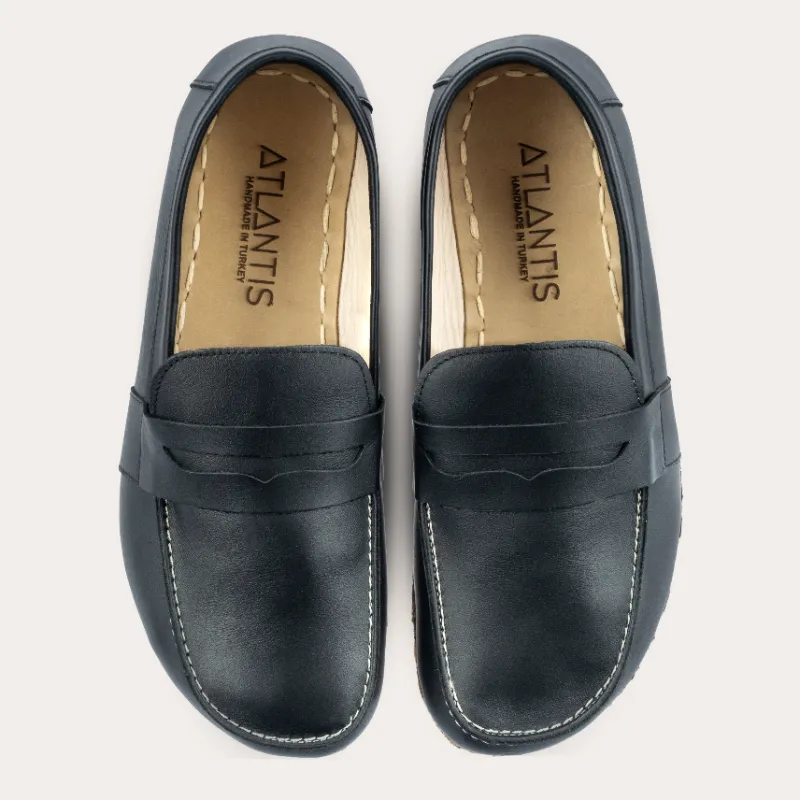
Can You Wear Minimalist Penny Loafers in the Rain?
Yes, you can wear mens black penny loafers in light rain if you treat them with a waterproofing spray and choose leather that handles moisture well. Most minimalist penny loafers use full-grain or suede uppers that absorb water quickly without protection, so a quick dash through drizzle is manageable, but standing puddles and heavy downpours will soak through and damage the leather over time.
We tested a range of classic and minimalist loafers across wet conditions and found that preparation matters more than the shoe itself. A quality water-repellent treatment, regular conditioning, and knowing when to reach for boots instead will keep your loafers looking sharp season after season.
What Happens to Leather Penny Loafers in Wet Weather
Leather reacts to moisture in three stages. Surface water beads off treated leather for the first few minutes, then begins soaking into the grain if exposure continues. Once saturated, the leather loses its shape, the insole softens, and salt stains appear as it dries.
Smooth leather (black loafers for men in full-grain finishes) handles rain better than suede because the tight surface resists initial absorption. Suede and nubuck soak through faster and show water marks that require brushing and specialized cleaners to remove.
Minimalist styles with thin leather and zero lining dry faster but offer less protection than padded dress loafers. If you are caught in unexpected rain, stuff your loafers with newspaper and let them air-dry away from heat sources. Direct heat from radiators or blow dryers causes cracking and permanent warping.
Waterproofing Mens Black Penny Loafers Before Wear
The best defense is applying a waterproof spray before your first wear. We recommend silicone-based sprays for smooth leather and dedicated suede protectors for nubuck finishes. Spray in a well-ventilated area, hold the can eight inches away, and apply two even coats with a 20-minute gap between them.
Reapply waterproofing every four to six weeks if you wear your loafers frequently in damp climates, or after each deep clean. Pair waterproofing with a leather conditioner every two months to prevent the material from drying out, which makes it more vulnerable to cracking when wet.
For ongoing care and the latest seasonal treatments, check the current offerings at Atlantis Handmade, where handcrafted leather goods often come with care guides tailored to the tannery and finish.
Materials That Handle Rain Better Than Standard Leather
If you live in a rainy region and want a loafer that doubles as wet-weather footwear, look for treated leather or alternative constructions. Chromexcel and pull-up leathers have oils worked into the hide during tanning, giving them natural water resistance and a patina that hides scuffs and water spots.
Rubber-soled minimalist loafers with stitchdown or cemented construction keep water from seeping through the sole join, a common weak point in traditional Goodyear-welted dress shoes. A crepe or Vibram sole also provides better traction on wet pavement than smooth leather.
Some shoppers exploring minimalist footwear consider wide-toe options like barefoot shoes women or barefoot sandals women for warmer months, then switch to closed styles with better coverage in fall. If you need full protection in heavy rain, knee high black boots or high ankle boots will keep your feet dry where loafers cannot.
When to Skip Penny Loafers and Reach for Boots
Penny loafers work for light drizzle, but they are not rain boots. Skip them when:
- Puddles are unavoidable: standing water soaks through the vamp and ruins the insole
- You will be outside for more than 20 minutes: prolonged exposure leads to saturation even with waterproofing
- Salt is on the ground: winter salt leaves white stains that require vinegar or specialized cleaners to remove
- The forecast calls for storms: save your loafers for indoor events and commutes with covered walkways
For transitional weather, consider women's brown boots or closed toe sandals for women if you want a sleeker silhouette than traditional rain boots. Many minimalist brands now offer water-resistant Chelsea and chukka boots that share the clean lines of a penny loafer but add ankle coverage and grippier soles.
How to Dry and Restore Soaked Loafers
If your mens black penny loafers get drenched, act quickly to prevent lasting damage. Remove the insoles if they are removable and blot excess water with a towel. Stuff the shoes loosely with plain newspaper or unprinted packing paper, replacing it every few hours as it absorbs moisture.
Let the loafers dry at room temperature for 24 to 48 hours, away from direct sunlight and heating vents. Once fully dry, brush suede styles with a suede brush to restore the nap, or wipe smooth leather with a damp cloth to remove any salt residue. Apply conditioner to smooth leather and a fresh coat of waterproofing spray before wearing them again.
For shoppers interested in styles that pair well across seasons, gold flats for women and ottoman shoes offer handcrafted alternatives with natural materials that develop character over time. Grab the latest discount code to save on leather care kits and seasonal footwear from Atlantis Handmade.
Styling Penny Loafers When the Forecast Is Uncertain
Keep a backup pair of water-resistant shoes at the office or in your bag if you commute in loafers. Swap into your penny loafers once you are indoors, and reserve them for settings where you control your environment—meetings, dinners, and indoor events.
Pair mens black penny loafers with rolled chinos or wool trousers that sit above the ankle, so the hem does not wick water onto the leather. Avoid wearing them with shorts in wet weather unless you are prepared for soaked shoes and uncomfortable squishing. Designer loafers and slip-ons often feature higher-grade leather and better construction, but even premium pairs need the same care and waterproofing routine.
If you prefer sandals during warmer, unpredictable weather, closed toe sandals and women's toe covered sandals offer breathability with partial rain protection, while wide toe box sandals accommodate minimalist foot shapes without sacrificing coverage.
Our Take on Penny Loafers and Rain
Mens black penny loafers can survive wet weather with the right preparation, but they are not built for prolonged rain exposure. Waterproof them before the first wear, condition the leather regularly, and know when to switch to boots or water-resistant alternatives. Treat your loafers as fair-weather footwear with occasional damp tolerance, not as rain gear, and they will stay sharp for years.
Frequently asked questions
Can you waterproof mens black penny loafers after they get wet?
Yes, but you must let them dry completely first. Apply waterproofing spray only to fully dry leather, otherwise you trap moisture inside and risk mold or cracking.
Do suede penny loafers handle rain worse than smooth leather?
Yes, suede absorbs water faster and shows visible water marks that require a suede brush and eraser to remove. Smooth full-grain leather resists initial moisture better and dries with fewer visible stains.
How often should I reapply waterproofing spray to my loafers?
Every four to six weeks if you wear them frequently in damp conditions, or after each deep cleaning. Regular reapplication keeps the protective layer effective.
Will rain ruin the shape of minimalist penny loafers?
Prolonged soaking can warp the leather and soften the insole, especially in unlined minimalist styles. Stuff wet loafers with newspaper and air-dry them slowly to help them retain their shape.
What should I do if salt stains appear on my black penny loafers?
Wipe them with a cloth dampened in a 1:1 mix of water and white vinegar, then condition the leather. Salt draws moisture out and causes cracking if left untreated.
Are there waterproof alternatives to traditional penny loafers?
Some brands offer treated leather or rubber-soled loafers with water-resistant finishes, but for true wet-weather protection, Chelsea boots or chukkas with sealed seams perform better than any loafer.