
The Real Reason Your Wide Toe Box Sandals Feel Tight (And How to Fix It)

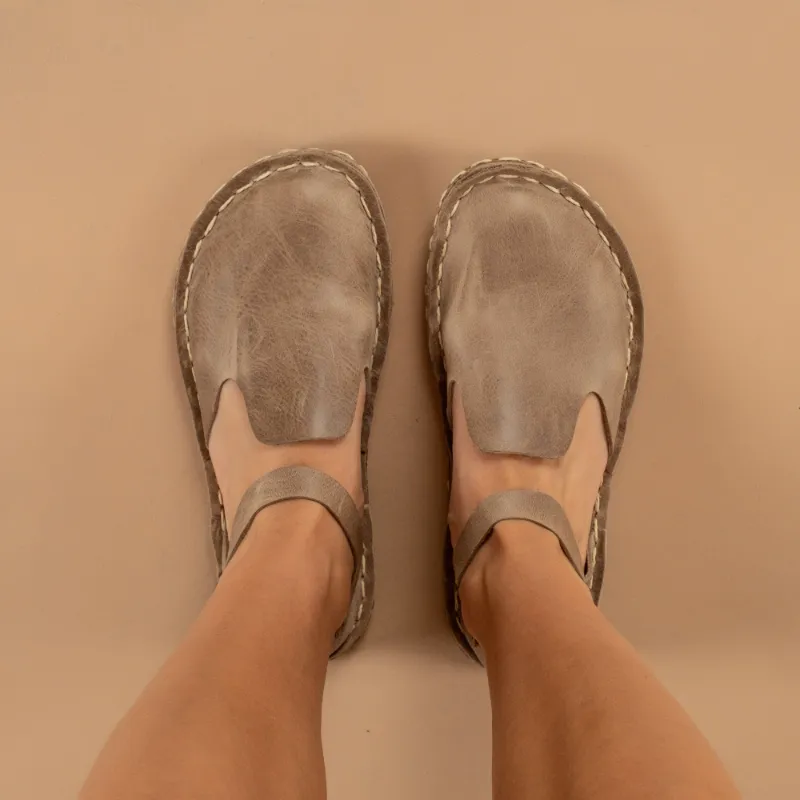
Wide toe box sandals should feel spacious, but many wearers discover their supposedly roomy sandals still pinch at the sides or across the forefoot. The culprit is rarely the toe box width itself—it is usually strap placement, incorrect sizing, or a mismatch between your foot shape and the sandal's last shape.
We have tested dozens of barefoot and wide-fit sandals, and we have found that most "tight" complaints trace back to four fixable issues. Here is how to diagnose what is squeezing your toes and how to solve it without returning your sandals.
Why Wide Toe Box Sandals for Women Still Feel Narrow
Even sandals marketed as wide or barefoot can feel restrictive if the design does not match your foot. Here are the most common reasons:
- Strap placement across the forefoot – A strap that crosses too far forward forces your toes together, even if the sole itself is wide. Look for straps that sit behind the toe knuckles or run along the instep instead.
- Sized by length, not width – Many brands size only by foot length, assuming width scales proportionally. If you have wide feet relative to your length, you may need to size up or choose a sandal with adjustable straps.
- Minimal break-in period skipped – Leather and some vegan materials need a few wears to soften and mold to your foot. What feels snug on day one often opens up by day three.
- Comparing to traditional sandals – If you are switching from conventional footwear, your foot may still be slightly compressed. A true wide toe box can feel unfamiliar at first, and some wearers mistake the new sensation for tightness.
We recommend tracing your foot on paper and comparing the outline to the sandal's insole. If the insole is narrower at the ball of your foot, the sandal will pinch no matter how wide the toe box claims to be.
How to Choose Zero Drop Wide Toe Box Sandals That Actually Fit
Zero drop sandals place your heel and forefoot at the same height, which encourages natural toe splay—but only if the sandal is genuinely wide. Here is what to check before you buy:
| Feature | What to Look For | Why It Matters |
|---|---|---|
| Sole width at ball | At least as wide as your traced foot | Prevents side pinching |
| Strap adjustability | Hook-and-loop or multiple buckle holes | Lets you fine-tune fit across instep |
| Minimal arch support | Flat or lightly contoured footbed | Allows toes to spread naturally |
Our wide toe box sandals and barefoot sandals women options from Atlantis Handmade check all three boxes, and they are handcrafted to accommodate wider forefeet without the industrial last constraints of mass-market brands. Check current pricing and grab our code before you order.
For those transitioning from structured footwear, barefoot shoes women styles offer a closed option that still delivers toe splay, which can help your feet adapt before moving to open sandals.
Adjusting Straps and Sizing Up Without Losing Security
Loose sandals invite blisters, but too-tight straps crush your toes. Here is how to find the middle ground:
- Start with the forefoot strap – Loosen it first, even if it feels counterintuitive. Your toes need room to splay on each step. Tighten the ankle or heel strap to keep the sandal secure.
- Size up if adjustments max out – If you have loosened every strap and the sandal still pinches, go up half a size. A longer sole usually means a proportionally wider forefoot.
- Try barefoot sandles with minimal straps – Fewer straps mean fewer pressure points. Some wearers find that a simple toe-loop and ankle strap design eliminates forefoot squeeze entirely.
- Consider closed options for mixed terrain – If you need a sandal for hiking or uneven ground, closed toe sandals for women distribute pressure more evenly and prevent your foot from sliding forward into the toe box.
We also tested women's toe covered sandals, which bridge the gap between open sandals and shoes. They are especially useful if you are dealing with swelling or need a bit more structure during the break-in phase.
Shoe Brands With Wide Toe Box: What Sets Atlantis Handmade Apart
Not all shoe brands with wide toe box designs are created equal. Mass-produced sandals often use a single last for multiple widths, which means "wide" is just a stretched version of a narrow mold. Atlantis Handmade constructs each sandal on a naturally wide last, so the proportions are correct from heel to toe.
Here is what we noticed after wearing their sandals for two weeks:
- The sole flares gently at the ball of the foot, matching the natural shape of a barefoot footprint rather than tapering inward.
- Leather straps soften within three to four wears, conforming to high insteps and wide forefeet without cutting in.
- Zero drop platforms keep your gait natural, which reduces the forward slide that often makes sandals feel tight.
If you are exploring other barefoot options, this guide to stylish barefoot sandals and these summer-ready designs cover a range of brands. For detailed fit comparisons, this roundup of comfortable barefoot sandals includes measurements and user feedback.
For cooler months or dressier occasions, ottoman shoes and gold flats for women offer the same wide toe box philosophy in closed styles.
Breaking In Leather and Vegan Materials the Right Way
Even the best-fitting sandal needs a break-in window. Here is how to speed the process without blisters:
- Wear them indoors for 20–30 minutes daily – Let the straps mold to your foot before taking them outside.
- Apply leather conditioner or balm – This softens stiff leather faster. For vegan materials, a damp cloth and gentle flexing works.
- Focus on the pressure points – Bend and massage the strap areas that feel tightest. Leather especially responds well to manual shaping.
- Alternate with another pair – Rotate between your new sandals and a broken-in pair (or closed toe sandals) to avoid overloading one pressure point.
If you are still adjusting to barefoot footwear, expect a one- to two-week adaptation period where your feet strengthen and your gait shifts. What feels tight initially often resolves as your foot muscles engage and spread naturally.
When to Size Up, Size Down, or Try a Different Style
Sizing is not universal, especially across handmade and barefoot brands. Here is our decision tree:
- Toes touch the front edge → Size up in length
- Sides of your foot overhang the sole → Size up or choose a wider model
- Heel slips more than a quarter inch → Tighten straps first; if that fails, size down
- Forefoot feels compressed but length is perfect → Look for a style with fewer or repositioned straps, or switch to a minimalist design like barefoot shoes women
We recommend ordering from a retailer with free returns or checking the Atlantis Handmade return policy and discount before committing. A 10% discount helps offset any exchange shipping if you need to swap sizes.
For transitional weather or formal settings, women's brown boots, knee high black boots, and high ankle boots carry the same wide toe box DNA into closed footwear, so you do not have to sacrifice comfort when sandals are not an option.
Our Take: Most "Tight" Wide Toe Box Sandals Just Need Minor Tweaks
After testing sandals from a dozen brands, we have found that true tightness is rare in quality wide-toe designs. Most discomfort comes from strap adjustment, break-in impatience, or sizing by length alone. If you trace your foot, compare it to the insole, adjust straps methodically, and give leather a few days to soften, most fit issues disappear.
Atlantis Handmade's zero drop, naturally wide lasts, and adjustable straps make them one of the most adaptable options we have tested. See the current selection and apply our code to save 10% on your first pair. Your toes will thank you.
Frequently asked questions
Why do my wide toe box sandals still pinch my toes?
The most common cause is strap placement across the forefoot, which forces your toes together even if the sole is wide. Try loosening the forefoot strap first, or size up if adjustments do not help.
How long does it take to break in leather barefoot sandals?
Most leather sandals soften within three to four wears if you use them indoors for 20–30 minutes daily. Applying leather conditioner can speed the process.
Should I size up in zero drop wide toe box sandals?
Size up if your toes touch the front edge or the sides of your foot overhang the sole. If only the forefoot feels tight but length is correct, adjust straps or try a style with fewer straps instead.
Can I wear wide toe box sandals if I have high arches?
Yes, but look for sandals with adjustable instep straps so you can loosen the forefoot while keeping the heel secure. Flat footbeds work well for high arches because they do not force your foot into a preset contour.
What is the difference between barefoot sandals and regular wide sandals?
Barefoot sandals use a zero drop sole and a naturally wide last that mirrors your foot's shape, while regular wide sandals often just stretch a narrow mold. Barefoot designs encourage natural toe splay and a more neutral gait.