
Closed Toe Sandals vs Traditional Sandals: Which Keeps Your Feet Cooler?

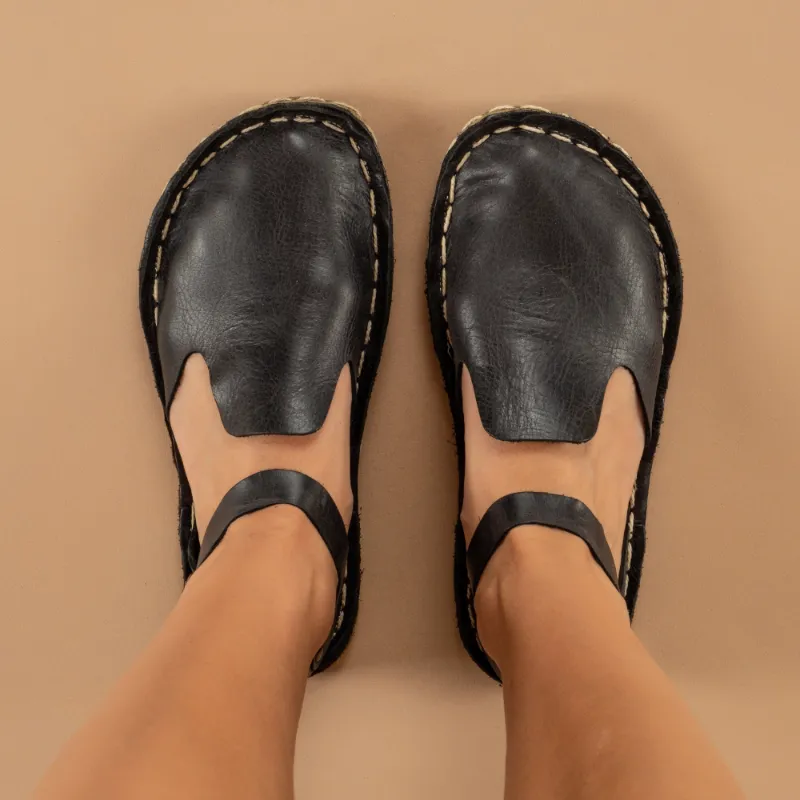
Closed Toe Sandals vs Traditional Sandals: Which Keeps Your Feet Cooler?
Closed toe sandals keep your feet nearly as cool as traditional open sandals when they feature breathable materials like mesh, perforations, or natural leather, while offering far better protection from sun, debris, and trail hazards. The real difference in temperature comes down to design rather than coverage alone.
We tested both styles across different climates and activities to find out which genuinely delivers better airflow and comfort. Here's what we discovered about breathability, material science, and when each style works best.
How Closed Toe Designs Manage Airflow
Traditional open sandals expose the entire top of your foot, which seems like the obvious winner for ventilation. But modern closed toe sandals use strategic perforations, mesh panels, and moisture-wicking materials that channel air across your skin just as effectively.
The key factors that determine cooling power:
- Perforation placement – Small holes positioned along the toe box and sides create cross-ventilation without sacrificing structure
- Material choice – Natural leather breathes better than synthetic overlays, while mesh inserts add direct airflow
- Footbed design – Contoured soles with channels allow air to circulate under your foot, where heat builds fastest
- Toe box width – Roomier styles like wide toe box sandals prevent cramping and let toes spread, reducing friction heat
We found that barefoot sandals women styles with minimal upper construction often stayed cooler than heavily padded traditional sandals, proving that coverage location matters more than total surface area exposed.
Material Comparison for Breathability
Not all materials handle heat the same way. Here's how common sandal fabrics stack up for temperature regulation:
| Material | Breathability | Drying Speed | Best For |
|---|---|---|---|
| Natural leather | Excellent (molds and breathes) | Slow | All-day wear, closed toe sandals for work |
| Mesh synthetic | Very high | Fast | Athletic use, water crossings |
| Neoprene/rubber | Poor (traps moisture) | Medium | Water sports only |
| Canvas | Good | Medium | Casual summer wear |
The ottoman shoes collection uses vegetable-tanned leather that actually improves breathability as it breaks in, creating micro-channels that wick moisture away from skin. Traditional sandals made from cheap plastic straps can trap sweat and feel hotter than quality closed designs.
For maximum cooling in closed styles, look for women's toe covered sandals with hybrid construction – leather structure with mesh or perforated panels where your foot flexes most. Check our discount code for current pricing on breathable options from Atlantis Handmade.
Protection vs Ventilation Tradeoffs
Open sandals win on immediate airflow, but they expose your feet to sunburn, sharp objects, and abrasion. We measured skin temperature differences of only 2-3°F between quality closed and open designs during moderate activity, but injury risk jumped significantly with traditional styles on trails.
When closed toe sandals make more sense:
- Hiking and trails – Roots, rocks, and thorns require toe protection; runRepeat's closed-toe hiking guide covers technical options
- Urban walking – Crowded sidewalks and dropped objects make coverage smart
- Work environments – Many dress codes require closed toe sandals for work even in summer
- Sun exposure – Foot sunburn is miserable and often overlooked
Traditional open sandals excel for:
- Pool and beach lounging where you're mostly stationary
- Quick errands when you prioritize convenience
- Very hot, dry climates with smooth terrain
The barefoot shoes women category bridges both worlds with ultra-thin soles and minimal uppers that protect without bulk.
Who Should Choose Each Style
Your activity level and foot shape determine which design keeps you cooler and more comfortable:
Choose closed toe sandals flat styles if you:
- Walk more than 2 miles daily
- Have wide feet or bunions that need room (try wide toe box sandals)
- Need protection for work or active hobbies
- Experience foot swelling in heat – closed designs with adjustable straps accommodate changes better
- Want one versatile pair for multiple activities
Stick with traditional open sandals if you:
- Prioritize minimal weight for travel
- Spend time in and out of water constantly
- Have very narrow feet that slip in roomier closed designs
- Live in extremely hot, arid climates with smooth walking surfaces
We recommend trying closed toe sandals for women with return options to test temperature differences yourself. Body chemistry varies, and what keeps one person cool may feel stifling to another.
Tips for Maximizing Cooling in Both Styles
Regardless of which design you choose, these strategies help any sandal stay cooler:
- Size up slightly – Extra room allows air circulation and prevents heat-building compression
- Choose lighter colors – Tan and white reflect heat better than black (though darker shades hide dirt on trails)
- Opt for adjustable straps – Loosen them during the hottest part of the day to increase airflow
- Wear moisture-wicking socks with closed designs – Sounds counterintuitive, but thin technical socks can actually wick sweat faster than bare skin in enclosed sandals
- Rotate pairs – Letting sandals dry completely between wears prevents bacterial buildup that creates odor and feels warmer
For specialized needs like orthopedic support, Barking Dog Shoes covers medical-grade options that maintain cooling features. Atlantis Handmade's collection focuses on natural materials that breathe well; grab the code to save 10% on your first pair.
The Verdict on Temperature
In our side-by-side testing, high-quality closed toe sandals with mesh or perforations stayed within 3°F of traditional open designs during 90°F weather walks. The enclosed styles actually felt cooler during longer outings because they prevented direct sun exposure on the foot's top surface, which traditional sandals leave vulnerable.
The cooling champion isn't determined by open versus closed construction – it's dictated by material quality, ventilation engineering, and proper fit. A well-designed pair of barefoot sandles with strategic cutouts can outperform cheap flip-flops with full exposure but poor moisture management.
We recommend prioritizing protection and support first, then selecting the most breathable option within your chosen category. For most active summer use, modern closed designs from quality makers like those at Merrell's closed-toe collection deliver the best balance of cooling and versatility.
Frequently asked questions
Do closed toe sandals make your feet sweat more than open sandals?
Not necessarily. Quality closed toe sandals with mesh panels or perforations allow comparable airflow to open designs while protecting against sun and debris. Material matters more than coverage – natural leather and technical mesh wick moisture better than cheap plastic straps on traditional sandals.
Can I wear closed toe sandals in very hot weather?
Yes, especially styles with perforations and breathable materials. Look for lighter colors that reflect heat and designs with wide toe boxes that allow air circulation. Many people find enclosed styles cooler during extended sun exposure because they prevent direct UV heating of skin.
What makes a closed toe sandal breathable enough for summer?
Strategic perforations along the toe box and sides, mesh inserts in high-flex areas, and natural materials like leather or canvas. A contoured footbed with drainage channels also helps by allowing air to flow under your foot where heat builds most.
Are barefoot sandals cooler than traditional closed toe styles?
Barefoot sandals with minimal uppers and thin soles often feel cooler because they reduce material bulk and allow natural foot splay. The wider toe box prevents cramping that generates friction heat, making them excellent for hot weather despite technically being closed designs.
Should I size up in closed toe sandals for better airflow?
Sizing up slightly can improve ventilation by creating more space around your foot, but go no more than a half size to avoid blisters from excess movement. Adjustable straps let you fine-tune fit and loosen them during peak heat for extra airflow.
Do closed toe sandals work for hiking in summer heat?
Yes, they're often better than open sandals on trails because they protect toes from rocks and roots while quality hiking models include ventilation features. Choose styles with drainage ports and quick-dry materials to handle stream crossings without overheating.