
How to Charge a BLUETTI Power Station with Solar Panels Off-Grid

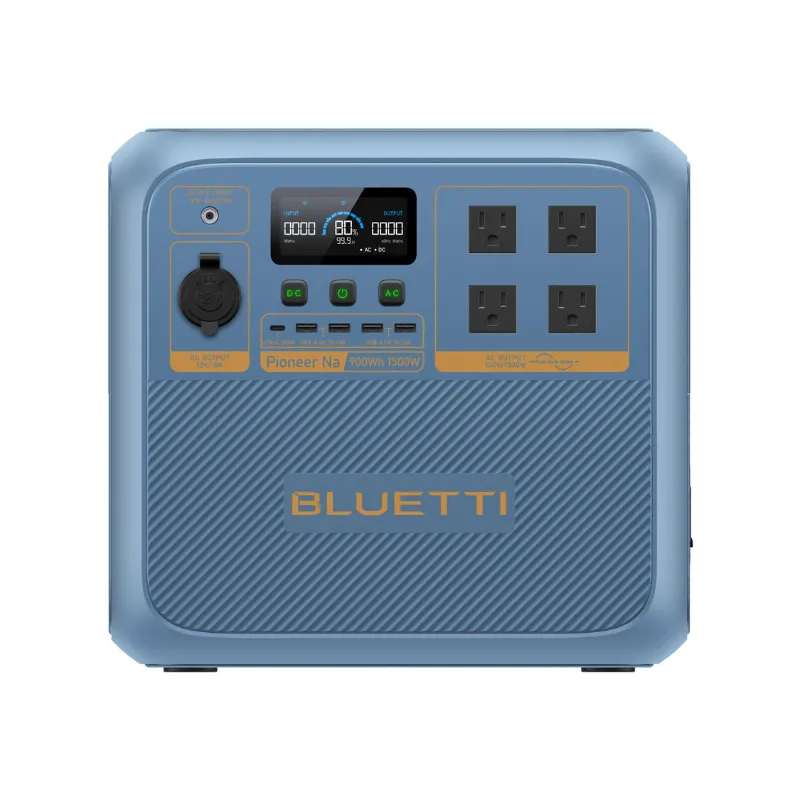
A bluetti power station paired with solar panels is one of the most self-sufficient energy setups you can build for off-grid living, camping, or emergency backup. The process is straightforward once you understand panel wattage, compatibility, and cable routing. This guide walks you through every step so you get the fastest, safest charge possible wherever the sun shines.
Why Solar Charging Makes Sense for a Bluetti Power Station
Grid power is not always available, and portable camping generators make noise, burn fuel, and require maintenance. Solar charging solves all three problems. BLUETTI stations are designed from the ground up to accept solar input, with MPPT charge controllers built in for maximum power conversion efficiency.
Key advantages of going solar with BLUETTI:
- Silent operation compared to any gas-powered alternative
- Zero fuel cost once panels are deployed
- Scalable from a single 100 w solar panel up to multiple high-wattage panels in series or parallel
- Compatible with the full BLUETTI ecosystem, including the bluetti solar panels designed to match each station's voltage window
- Recharge anywhere with direct sunlight, no utility hookup needed
Choosing the Right BLUETTI Model for Your Off-Grid Needs
Picking the correct station before you buy panels saves money and frustration. Here is a quick comparison of the core BLUETTI lineup covered in this guide:
| Model | Best For | Solar Input |
|---|---|---|
| Bluetti Elite 100 V2 | Day hikes, van life, light camp use | Check store for specs |
| Bluetti Elite 200 V2 | Weekend camping, RV appliances | Check store for specs |
| Bluetti Elite 300 Portable Power Station | Extended off-grid stays, job sites | Check store for specs |
| Apex 300 | High-demand basecamp or home backup | Check store for specs |
For current watt-hour capacity, solar input limits, and pricing on each model, check the latest price and grab the discount code before you order.
General sizing rules:
- Light campers and solo travelers: the Bluetti Elite 100 V2 handles phones, laptops, lighting, and a small fan without issue
- Families or RV users: the Bluetti Elite 200 V2 covers a mini-fridge, CPAP, and device charging simultaneously
- Power-hungry basecamp setups: the Bluetti Elite 300 Portable Power Station or Apex 300 can run power tools, induction cooktops, and larger appliances
How to Calculate the Solar Panels You Actually Need
The math here is simple: divide your station's battery capacity (Wh) by average daily sun hours in your location, then account for real-world efficiency losses of roughly 20-25%.
Example calculation:
- Station capacity: 2,000 Wh (hypothetical)
- Target recharge time: 6 hours
- Raw panel wattage needed: 2,000 ÷ 6 = ~333 W
- Add 25% efficiency buffer: ~420 W of panel capacity
Starting with a single 100 w solar panel makes sense for smaller stations or as a first purchase to test your setup. You can always chain additional bluetti solar panels in series or parallel as your needs grow.
Step-by-Step: Connecting Solar Panels to Your Station
Follow these steps every time for a clean, safe connection:
- Position panels in direct sunlight at a 30-45 degree tilt facing the sun for maximum output. Avoid partial shade on any cell.
- Check voltage compatibility before plugging in. Each BLUETTI station lists its maximum solar input voltage in the manual. Exceeding it can damage the MPPT controller.
- Connect panel cables to the MC4 connectors included with BLUETTI panels, or use a compatible MC4-to-XT60 adapter for third-party panels.
- Plug the cable into the station's solar input port. Most BLUETTI stations use a dedicated aviation or XT60 solar port clearly labeled on the unit.
- Power on the station and navigate to the input screen. You should see live wattage flowing in within seconds of a solid connection in sunlight.
- Monitor and adjust panel angle throughout the day. Sun position shifts roughly 15 degrees per hour, so a midday tilt that works at noon may lose 30-40% by late afternoon.
Common mistakes to avoid:
- Connecting panels while the station is off and then turning it on can cause a voltage spike on some older units; power on first, then connect
- Daisy-chaining mismatched panels (different wattages or voltages) in series creates imbalance and reduces total output
- Leaving panels flat on the ground instead of angled cuts real-world harvest significantly
Using a Bluetti Solar Generator Bundle vs. Individual Components
BLUETTI sells matched bluetti solar generator bundles that pair a station with optimized panels. Buying bundled saves the guesswork of compatibility and often comes with a price advantage over separate purchases.
If you already own a third-party panel with standard MC4 connectors and the voltage sits within your station's rated window, it will work. BLUETTI's own bluetti solar panels are simply the guaranteed no-headache option.
Caring for Your Setup to Maximize Lifespan
A solar charging system that is well maintained lasts years longer than one that is neglected:
- Clean panel surfaces monthly with a damp microfiber cloth. Dust and bird droppings reduce output by 10-25% in dry climates.
- Store the station at 50-80% charge if it will sit unused for more than two weeks. Deep discharge accelerates cell degradation.
- Keep cables coiled loosely without sharp bends at the connector ends, where strain fractures occur first.
- Avoid leaving the station in direct sunlight during charging in extreme heat. Ambient temperatures above 40°C (104°F) trigger thermal throttling and slow charge rates.
- Inspect MC4 connections each trip for corrosion or moisture intrusion, especially in coastal or humid environments.
Who Should Buy a BLUETTI Solar Setup
A BLUETTI solar charging setup suits you if:
- You camp or overlook frequently and want silent, fuel-free power
- You work remotely from a vehicle or tiny home
- You live in an area with frequent grid outages and need reliable backup
- You are transitioning away from noisy portable camping generators toward cleaner energy
The bluetti power station lineup covers needs from ultra-portable day-trippers all the way to whole-home backup scenarios. If you're ready to buy, grab our exclusive 5% off code and apply it at checkout to reduce your total cost across any model in the range.
Frequently asked questions
How many solar panels do I need to fully charge a Bluetti power station in one day?
It depends on your station's capacity and your local sun hours. Divide the station's watt-hour rating by the number of usable sun hours in your area, then add a 20-25% buffer for efficiency losses. Starting with a 100 W solar panel works for smaller units, while larger stations benefit from multiple panels connected in series or parallel.
Can I use third-party solar panels with a BLUETTI station?
Yes, as long as the panel's open-circuit voltage and wattage fall within the station's rated solar input limits. Standard MC4 connectors and a compatible adapter cable are all you need. BLUETTI's own solar panels are pre-matched and eliminate compatibility guesswork.
What is the difference between the Bluetti Elite 200 V2 and the Bluetti Elite 300 Portable Power Station?
Both are mid-to-large capacity stations suited for extended camping and RV use, but the Elite 300 offers a higher battery capacity and solar input ceiling for running more demanding appliances. Check the store pages for the exact current specs and pricing on each model.
Is it safe to charge a BLUETTI station with solar and AC wall power at the same time?
Most BLUETTI models support simultaneous dual charging and manage the input automatically through their built-in management system. Always confirm this feature in your specific model's manual before combining input sources.
How do I get the best discount on a BLUETTI solar setup?
Visit our BLUETTI discount code page to find the current offer, which you can apply at checkout on any station or panel in the range.
Can I charge a Bluetti power station in cloudy weather?
Yes, solar panels still produce power under overcast skies, typically at 10-25% of their rated output depending on cloud density. Charging will be slower, so plan to supplement with AC charging or extend your charging window on low-sun days.