
How to Choose the Right Air Mattress for Plus Size Sleepers: Weight Capacity and Comfort Guide

How to Choose the Right Air Mattress for Plus Size Sleepers: Weight Capacity and Comfort Guide
The best air mattress for plus size sleepers starts with a verified weight capacity of at least 500 to 600 pounds and multi-layer construction that resists sagging. We tested models alongside traditional camping gear to see what actually holds up under higher weight loads, and the difference between a standard inflatable and a heavy duty air mattress with built-in pump is night and day.
Whether you're buying for home guests or taking an air pad on your next outdoor adventure, understanding the engineering behind these products saves you from midnight deflation disasters. Here's what we look for when recommending options to heavier sleepers.
Weight Capacity: What the Numbers Actually Mean
Manufacturer weight limits are often generous estimates, so we recommend building in a 100-pound safety margin. A mattress rated for 600 pounds should comfortably support two adults totaling 500 pounds, or one person up to 400 pounds for long-term use.
Look for these construction features that signal genuine durability:
- Multi-ply vinyl or PVC layers (15-gauge minimum thickness)
- Internal coil or I-beam support structures that distribute weight evenly
- Reinforced seams with double or triple welding
- Separate air chambers for weight distribution
Models marketed as heavy duty air mattress 1000 lbs options are typically king-size designs with dual or triple chamber construction. While few manufacturers guarantee a full 1000-pound capacity in fine print, these models do use thicker materials and more robust internal frameworks than standard air beds.
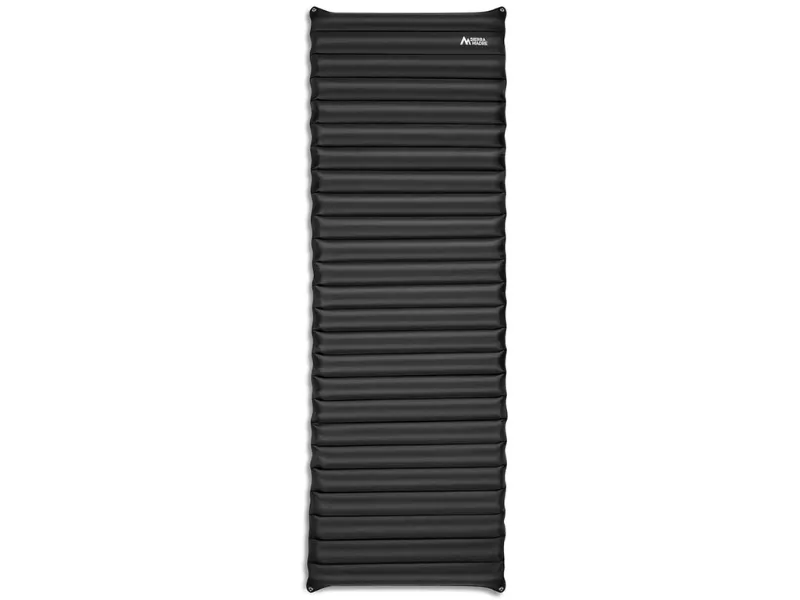
For camping or outdoor use, a sleeping mat air option offers portability but rarely exceeds 300 to 400 pounds of capacity. These work well for solo plus size sleepers who prioritize packability, but couples should stick with full-size or queen models.
Built-In Pumps vs. External: Which Setup Lasts Longer
A heavy duty air mattress with built-in pump simplifies setup, but the motor adds a failure point. We've found that built-in pumps rated at 120V with at least 15 watts of power handle thicker materials better and inflate a queen mattress in under four minutes.
External pumps give you more control and are easier to replace if they fail. Battery-powered pumps work for camping but often take 8 to 10 minutes to fully inflate a heavy duty model. For home use, an AC-powered external pump paired with a reinforced air mattress for plus size delivers the best balance of reliability and convenience.
If you're shopping for a multi-use solution, check the latest price on models that include both built-in and external valve compatibility. This redundancy matters when you're miles from an outlet or the internal motor eventually wears out.
Material and Construction: Why Thickness Isn't Everything
Vinyl gauge matters, but internal architecture determines real-world durability. A 20-gauge top with a 10-gauge bottom and no internal support will still sag under 400 pounds. Instead, prioritize these design elements:
- Coil or beam construction keeps the mattress flat under load
- Puncture-resistant bottom layers (often rubberized or flocked)
- Separate top and side materials with different thickness ratings
- Waterproof flocking on the sleep surface for sheets and comfort
The air pad category generally uses lighter ripstop nylon or TPU (thermoplastic polyurethane) instead of PVC. These materials pack smaller and weigh less, but they also require more careful handling and rarely support the same weight as home-use vinyl models.
For reference, expert testing from Sleepopolis highlights that beam construction outperforms basic air chambers for heavier individuals, reducing the "sinking in the middle" effect that plagues cheaper inflatables.
Sizing Up: King vs. Queen for Plus Size Sleepers
A heavy duty air mattress 1000 lbs king size option measures roughly 76 by 80 inches, offering the same surface area as a standard king bed. This size works best for two adults who each weigh over 200 pounds or anyone who needs extra room to shift positions without rolling toward the center.
Queen models (60 by 80 inches) handle solo plus size sleepers well and fit more easily in spare rooms or tents. If you're traveling with gear like hammock straps or a hero clip for organizing equipment, a queen mattress leaves more floor space in smaller tents.
Twin and full sizes rarely offer true heavy duty construction, so we don't recommend them for plus size adults despite their lower price points.
| Size | Dimensions | Best For | Typical Capacity |
|---|---|---|---|
| Queen | 60" x 80" | Solo or compact spaces | 500-600 lbs |
| King | 76" x 80" | Couples or extra room | 600-1000 lbs |
Setup, Maintenance, and Longevity Tips
Even the best air mattress for plus size users will fail early without proper care. We inflate to about 90 percent capacity for the first use, let the material stretch for 24 hours, then top off before sleeping. This break-in process reduces stress on seams.
Store your mattress in a cool, dry space away from sharp objects and direct sunlight. PVC degrades under UV exposure, and even small punctures expand under the higher pressures needed for plus size support. If you're heading outdoors with other gear like a lifesaver straw or sierra madr equipment, pack the mattress in a separate stuff sack with no metal clips or carabiners.
For current discounts on heavy duty models, grab the code before your next purchase. The 7% sitewide offer applies to full-size and king options, which rarely see deeper discounts.
Rotate the mattress every few uses so one side doesn't bear the load constantly. If you notice slow leaks, patch kits work well on pinhole punctures but can't fix seam separation, which is usually a sign the mattress exceeded its true weight capacity.
Who Should Skip Air Mattresses Entirely
Air mattresses aren't ideal for everyone. If you need permanent bedding for more than a few weeks, a traditional mattress with a reinforced foundation offers better long-term support. Plus size sleepers with mobility challenges may also struggle with the low profile and "sinking" feeling that even high-end inflatables produce.
For ultralight camping where every ounce counts, a closed-cell foam pad outperforms air in terms of reliability, though comfort suffers. We've compared inflatables to other camping sleep systems in outdoor gear testing at OutdoorGearLab, and heavy duty air mattresses remain the best choice for car camping and occasional home use.
That said, if you're hosting guests, traveling frequently, or need a bed that packs away between uses, the right air mattress for plus size sleepers delivers comfort and convenience that rivals many budget permanent beds. Focus on verified weight capacity, robust construction, and realistic expectations about lifespan, and you'll find an option that works.
Frequently asked questions
What weight capacity should I look for in an air mattress for plus size sleepers?
Look for a verified capacity of at least 500 to 600 pounds, and build in a 100-pound safety margin for long-term durability. King-size models often support 600 to 1000 pounds with reinforced multi-chamber construction.
Do heavy duty air mattresses with built-in pumps last as long as those with external pumps?
Built-in pumps are convenient but add a potential failure point. External pumps are easier to replace and often more reliable for long-term use, though quality built-in motors rated at 15 watts or higher can last several years with proper care.
How thick should the vinyl be on a heavy duty air mattress?
Aim for at least 15-gauge vinyl, but prioritize internal coil or I-beam construction over thickness alone. A 20-gauge top with poor internal support will still sag under higher weight, while a well-engineered 15-gauge model with beam construction stays firm.
Can I use an air mattress for plus size sleepers while camping?
Yes, but choose a model designed for outdoor use with puncture-resistant bottoms and pack it carefully away from sharp gear. Car camping works best since heavy duty models are bulkier and heavier than ultralight backpacking pads.
How do I prevent my air mattress from losing firmness overnight?
Inflate to 90 percent for the first use and let the material stretch for 24 hours before topping off. Temperature drops at night also cause air to contract, so slight deflation is normal. Keep a pump nearby for quick adjustments.
Is a king size better than a queen for plus size adults?
King size offers more surface area and typically higher weight capacity, making it ideal for couples or anyone who shifts positions often. Queen models work well for solo sleepers and fit more easily in smaller rooms or tents.