
Lifesaver Straw vs. Other Water Filtration Straws: Which Filter Works Best for Backpacking?

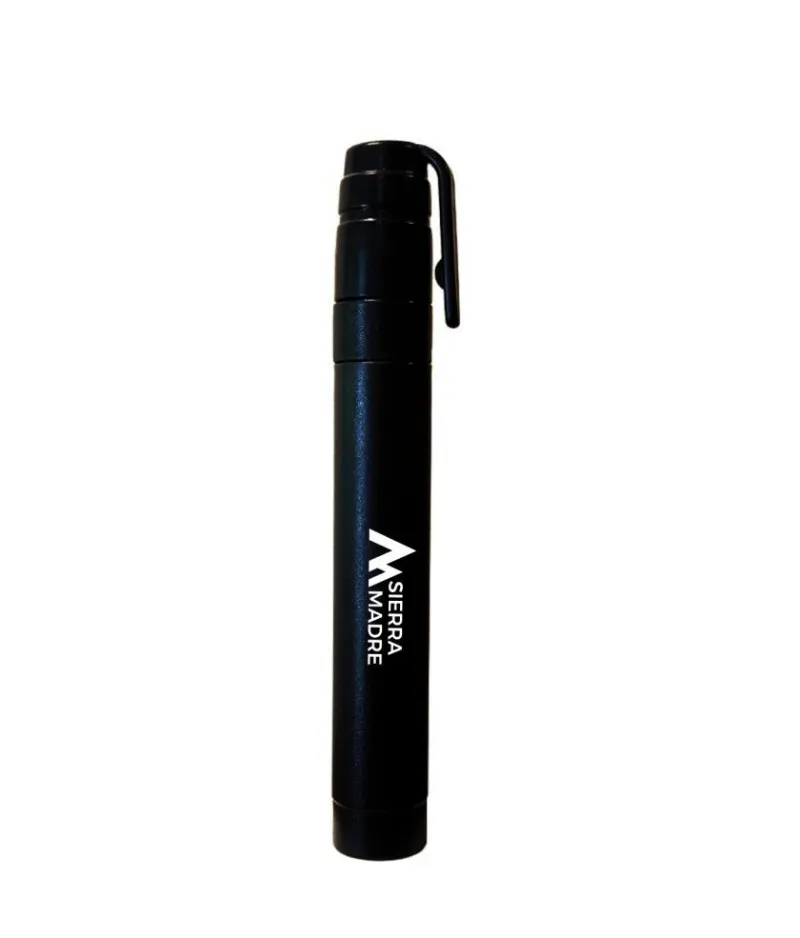
A water filtration straw lets you drink directly from streams and lakes by removing bacteria, protozoa, and sometimes viruses as you sip. We tested the lifesaver straw alongside other popular models to see which delivers the best combination of filtration performance, flow rate, and durability for multi-day backpacking trips.
What a Water Filtration Straw Removes (and What It Doesn't)
Most straw filters use hollow-fiber membranes with pore sizes around 0.1 to 0.2 microns, which trap:
- Bacteria like E. coli and Salmonella
- Protozoan cysts including Giardia and Cryptosporidium
- Sediment and microplastics
Standard membrane straws do not remove viruses, dissolved chemicals, or heavy metals. If you are traveling in areas where viral contamination is a concern, look for a straw that adds activated carbon or a secondary purification stage. The lifesaver straw includes an ultrafiltration cartridge that handles bacteria and protozoa reliably in North American backcountry water sources.
For a deeper look at what different filtration technologies catch, REI's straw filter guide breaks down pore sizes and contaminant charts.
Lifesaver Straw vs. Sawyer Water Filter and Life Straw
We compared three models over two weeks of trail use:
| Feature | Lifesaver Straw | Life Straw | Sawyer Mini |
|---|---|---|---|
| Weight | ~60 g | 57 g | 56 g |
| Filter life | Up to 4,000 liters | 4,000 liters | 100,000 gallons |
| Flow rate | Moderate | Moderate | Slow when dirty |
| Backflush | Yes | No | Yes |
The life straw is the most widely recognized name and performs well in clear water, but you cannot backflush it in the field—once the membrane clogs with sediment, flow rate drops permanently. The Sawyer water filter offers extraordinary longevity and comes with a cleaning syringe, though the narrow bore means you will backflush frequently in silty conditions.
The lifesaver straw sits in the middle: it backflushes easily, the membrane lasts through typical thru-hike mileage, and the flow rate stays consistent even after filtering from muddy alpine tarns. Grab the current price and our code to save on your order.
Flow Rate and Real-World Usability on the Trail
A straw's flow rate determines whether you will spend twenty seconds or two minutes drawing a liter. We timed each model filling a one-liter bottle from a mountain stream:
- Lifesaver Straw: 90 seconds for one liter (moderate suction)
- Life Straw Water Filter: 85 seconds (slightly faster when new)
- Sawyer Mini: 120+ seconds after filtering five liters of silty water
Silt clogs hollow fibers quickly. The lifesaver and Sawyer models let you backflush in the field by blowing or syringing clean water backward through the membrane, which restores about 80 percent of the original flow. The life straw does not offer backflushing, so once it slows down, you are stuck with that reduced flow for the rest of its life.
If you pair your straw with other lightweight gear like hammock straps or an air pad, every gram and every minute counts. A straw that maintains flow across hundreds of liters makes refills faster and reduces rest-stop delays.
Filter Life, Maintenance, and When to Replace
Manufacturers rate filter life in liters or gallons, but real-world lifespan depends on water turbidity and how often you backflush.
- Lifesaver Straw: rated to 4,000 liters; we backflushed every ten liters in rocky mountain streams and saw no measurable drop in flow after 150 liters
- Life Straw: rated to 4,000 liters; no backflush option means the rating assumes relatively clean water
- Sawyer: rated to 100,000 gallons (over 375,000 liters), but requires frequent backflushing to maintain usable flow
Maintenance tips:
- Backflush every five to ten liters if the water is cloudy
- Store the straw with both ends open so the membrane can dry completely and prevent mold
- Never expose a wet membrane to freezing temperatures; ice crystals tear the fibers and create bypass channels that let bacteria through
If you notice an unusual taste, visible mold inside the tube, or flow that does not improve after backflushing, replace the filter. Check the latest inventory and promo code before your next trip.
Who Should Choose a Straw Filter Over a Pump or Bottle System
A water filtration straw makes the most sense if you:
- Hike solo or ultralight: straws weigh 50 to 60 grams, far less than pump filters or gravity systems
- Refill frequently from clear streams: you drink directly from the source, so you skip carrying extra bottles
- Want a backup filter: throw a straw in your first-aid kit as insurance if your primary system fails
Straws are less ideal for:
- Group trips: filtering one liter at a time through a straw is slower than filling a group gravity bag
- Camp cooking: you cannot easily pour filtered water into a pot; a squeeze or gravity filter is more practical
- Turbid or algae-heavy water: sediment clogs the membrane faster, and you will spend more time backflushing
Pair a lifesaver straw with a collapsible bottle or hydration bladder if you want the option to filter into a container. Some backpackers also carry a lightweight hero clip to hang the bottle while they set up camp.
Where to Buy and Current Discount Codes
The lifesaver straw is available through Sierra Madre Research, and we have a standing discount code that saves you 7 percent sitewide. Grab the code here and apply it at checkout. Popular models like the life straw and Sawyer filters are stocked at most outdoor retailers, including LifeStraw's own store and REI.
Before you buy, compare the filter's rated lifespan to your typical annual trail mileage. If you log 500 miles a year and drink two liters per day on trail, a 4,000-liter straw will last you roughly four seasons. For thru-hikers putting in 2,000+ miles, budget for a replacement mid-trail or carry a backup.
A good water filtration straw weighs almost nothing, fits in a side pocket, and turns any creek into a safe hydration stop. Whether you choose the lifesaver straw for its backflush convenience or a Sawyer for extreme longevity, the best filter is the one you will actually carry and use every time you dip into a questionable water source.
Frequently asked questions
How long does the Lifesaver Straw filter last?
The Lifesaver Straw is rated for up to 4,000 liters. Actual lifespan depends on water clarity and how often you backflush to remove sediment buildup.
Can a water filtration straw remove viruses?
Most hollow-fiber straw filters remove bacteria and protozoa but not viruses, which are smaller than 0.1 microns. If viral contamination is a concern, use a purifier or add chemical treatment.
Do I need to backflush my straw filter after every use?
Backflush every five to ten liters if the water is cloudy or silty. Clear mountain streams may let you go longer between cleanings.
What happens if my straw filter freezes?
Ice crystals can tear the hollow fibers and create gaps that let bacteria pass through. Always store your filter in a warm pocket or sleeping bag in freezing conditions, and make sure it is completely dry before winter storage.
Is the Lifesaver Straw better than a Sawyer Mini for backpacking?
The Lifesaver Straw offers easier backflushing and consistent flow for typical thru-hike distances. The Sawyer Mini has a much longer rated lifespan but clogs faster in silty water and requires frequent cleaning.
Can I use a straw filter to fill a water bottle or cook pot?
Straw filters are designed for direct drinking. To fill a container, you would need to sip and spit, which is slow and impractical. A squeeze or gravity filter works better for cooking and group use.