
Sleeping Mat Air vs. Air Pad: Understanding the Difference for Camping Comfort

A sleeping mat air and an air pad refer to the same core product category, inflatable sleep systems designed for camping and backpacking, though the terminology can signal subtle differences in design philosophy and regional preference. Both prioritize packability and weight savings over traditional foam alternatives, but knowing which features matter for your trips ensures you sleep comfortably whether you're car camping or logging miles on the trail.
We tested dozens of inflatable sleep systems to help you navigate the confusing landscape of camping sleep gear. This guide breaks down what separates different air pad designs, how to choose between self-inflating and manual options, and which construction details deliver the best night's sleep outdoors.
What Makes a Sleeping Mat Air Different from an Air Pad
The terms are largely interchangeable, but "sleeping mat air" often describes European or international models that emphasize integrated insulation and year-round performance, while "air pad" is more common in North American marketing and sometimes signals ultralight designs focused on three-season use. Both inflate with air for cushioning, but the insulation type, valve system, and fabric thickness vary widely.
Self-inflating models blend open-cell foam with air chambers. When you open the valve, the foam expands and draws air in automatically, though most still benefit from a few manual breaths for firmness. Pure air pads require manual inflation or a pump and rely entirely on trapped air and reflective layers for insulation. For cold-weather camping, look for an R-value above 4, regardless of whether the manufacturer calls it a mat or pad.
Material construction separates budget options from premium performers. Ripstop nylon with a 20D to 75D rating balances durability and weight, while TPU lamination prevents air leaks better than traditional polyurethane coatings. Baffled or chambered interiors prevent the balloon effect that leaves you rolling off cheaper models.
Choosing Between Self-Inflating and Manual Air Pads
Self-inflating sleeping pads offer convenience at the cost of weight and pack size. The foam core adds insulation and structure, making them ideal for car camping, cold weather, or anyone who values ease of setup. Expect to carry 1.5 to 3 pounds, and count on a packed size similar to a one-liter water bottle.
Manual inflation sleeping mat air models cut weight dramatically, often under one pound for ultralight backpacking versions. You will spend two to five minutes inflating with your breath or a stuff-sack pump, but the trade-off is a pack volume smaller than a Nalgene. If you are counting ounces on a thru-hike or multi-day backpacking trip, manual inflation makes sense.
Hybrid pump systems split the difference. Some pads integrate a foot pump or come with a battery-powered inflator, delivering faster setup without lung fatigue. These work well for sleeping mats for adults who need extra width or length, since larger pads demand more air volume.
Key Features for Backpacking Sleeping Pads
Weight and packed size dominate the decision for sleeping pad backpacking. Ultralight models weigh 12 to 16 ounces and compress to the size of a soda can, while comfort-focused options hit 20 to 30 ounces but offer three to four inches of cushioning. Measure your torso and leg length to avoid carrying excess pad; many brands offer regular, long, and women-specific cuts.
R-value measures thermal resistance, with higher numbers indicating better insulation. Three-season pads typically range from 2.5 to 4, while winter camping demands 4.5 or above. The Best Backpacking Sleeping Pads of 2026 compares laboratory-tested R-values across dozens of models if you want to dive deeper into thermal performance.
Valve design affects both inflation speed and deflation control. Dual-valve systems let you inflate quickly through a large port and fine-tune firmness through a smaller one-way valve. Flat valves pack smaller but can be harder to seal if dust or moisture gets inside. Test your valve before heading into the backcountry and carry a repair kit with patches and adhesive.
| Feature | Ultralight Air Pad | Self-Inflating Mat | Comfort Air Pad |
|---|---|---|---|
| Weight | 12-16 oz | 24-48 oz | 18-28 oz |
| R-Value | 2.0-3.5 | 4.0-6.0 | 3.0-4.5 |
| Pack Size | Soda can | 1-liter bottle | Beer can |
| Setup Time | 3-5 min | 1-2 min | 4-6 min |
Caring for Your Air Sleeping System
Proper storage extends the life of any inflatable pad. Never store your air pad fully compressed; loosely rolled or hung in a closet prevents the adhesive layers from bonding and maintains valve integrity. Keep it away from direct sunlight and heat sources, which degrade TPU coatings over time.
Clean your pad after trips involving sand, salt, or heavy moisture. A damp cloth with mild soap removes most grime; avoid machine washing unless the manufacturer explicitly allows it. Dry the interior by inflating the pad and leaving both valves open for 24 hours in a warm, ventilated space. Moisture trapped inside fosters mold and weakens seams.
Field repairs are straightforward with the right kit. Locate leaks by inflating the pad and listening for hissing or submerging sections in water to spot bubbles. Clean and dry the area, apply adhesive patch material, and let it cure for at least an hour before re-inflating. Carry a patch kit and spare valve cap on every trip; grab the code to save on repair supplies and replacement gear from Sierra Madre Research.
Sleeping Mats for Adults: Sizing and Comfort Considerations
Standard pads measure 20 inches wide, which works for most side and back sleepers but feels cramped for larger frames or active sleepers. Wide models at 25 inches add comfort without a huge weight penalty, and air mattress for plus size options stretch to 30 inches for true sprawl room. Length matters too; if you are over six feet tall, long versions prevent your feet from hanging off the insulated zone.
Thickness affects comfort on uneven ground. Two inches of loft works on smooth tent floors, but three to four inches cushions roots and rocks better. Stomach sleepers often prefer firmer, thinner pads to maintain spinal alignment, while side sleepers benefit from extra loft that prevents hip and shoulder pressure points.
Noise is an underrated factor. Crinkly fabrics wake you and your tent mates with every shift, while soft-touch materials stay quiet through the night. Best Backpacking Sleeping Mats For 2026 includes user reviews that highlight noise levels, a detail often missing from manufacturer specs.
Pairing Your Sleep System with Other Gear
Your sleeping pad works as part of a system. Pair it with a sleeping bag rated 10 to 15 degrees colder than expected nighttime lows; the pad insulates from below, but your bag handles top and side protection. Sleeping Pads for Camping & Backpacking offers a detailed guide on layering sleep systems for different seasons.
Ground sheets or footprints protect your pad from punctures and extend its life. A simple Tyvek sheet or polycryo ground cloth weighs an ounce or two and prevents abrasion from tent floors and sharp debris. Some campers use folding sleeping mats for adults as a secondary layer in extreme cold, stacking foam and air for maximum R-value.
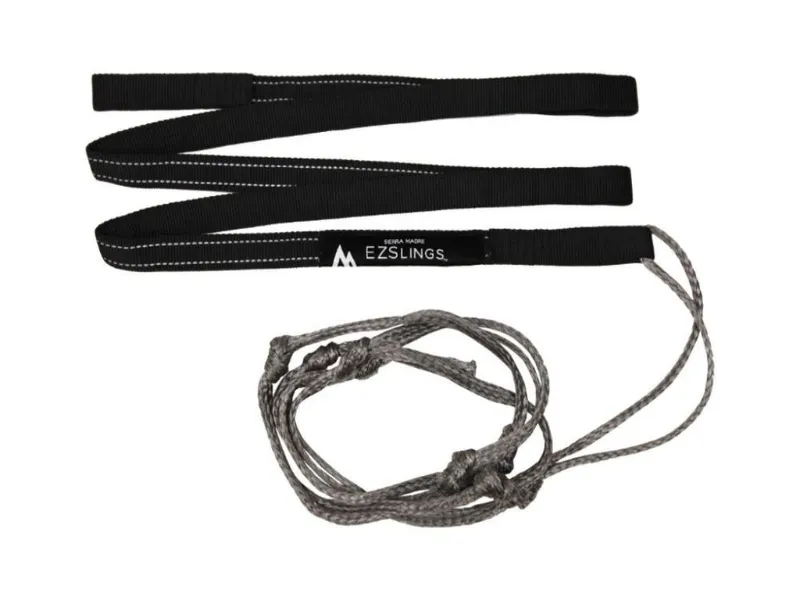
Accessories like stuff-sack pumps eliminate the hygiene concerns of mouth inflation and prevent moisture from your breath condensing inside the pad. A small hero clip can secure your pad to your tent interior on sloped sites, and hammock straps offer another suspension sleep option if you want to skip ground sleeping entirely.
Where to Find the Best Deals on Air Sleeping Mats
We track current pricing and discount codes across major outdoor retailers, and right now Sierra Madre Research is offering 7% off sitewide. Check the latest price on their full range of camping gear before your next trip. Seasonal sales in late summer and early spring often bring deeper discounts on previous-year models that perform identically to the latest releases.
Compare weight, R-value, and packed size rather than focusing solely on price. A $60 pad that fails after one season costs more in the long run than a $120 model that lasts five years. Read user reviews for real-world durability reports, and prioritize brands that honor warranties without hassle. Investing in a quality sleep system pays off in better rest and fewer aches on the trail.
Frequently asked questions
Is a sleeping mat air the same as an air pad?
Yes, the terms are interchangeable and both refer to inflatable sleeping systems for camping. Regional preferences and marketing drive the different names, but both products use air for cushioning and insulation.
How do I use a self-inflating sleeping pad correctly?
Open the valve fully and let the foam core expand for 5 to 10 minutes, then add a few breaths to reach your desired firmness. Close the valve tightly and store it open when not in use to maintain the foam's loft.
What R-value do I need for three-season camping?
An R-value between 2.5 and 4.0 handles spring through fall camping in most climates. If you camp in shoulder seasons or expect temperatures near freezing, aim for 4.0 or higher for better insulation.
Can I repair a punctured air sleeping pad in the field?
Yes, most punctures are repairable with a patch kit. Locate the leak, clean and dry the area, apply the adhesive patch, and let it cure for at least an hour before re-inflating. Always carry a repair kit on multi-day trips.
Do I need a wider sleeping pad if I move a lot at night?
Active sleepers and side sleepers benefit from wide models at 25 inches or more. Standard 20-inch pads work for back sleepers and those who stay still, but extra width prevents rolling off and improves overall comfort.
Should I inflate my pad with my mouth or a pump?
Both work, but pumps prevent moisture from your breath condensing inside the pad, which can foster mold and reduce insulation over time. Stuff-sack pumps weigh only an ounce or two and speed up inflation on larger pads.