
How to Choose the Right Chest Binder for Your Body Type

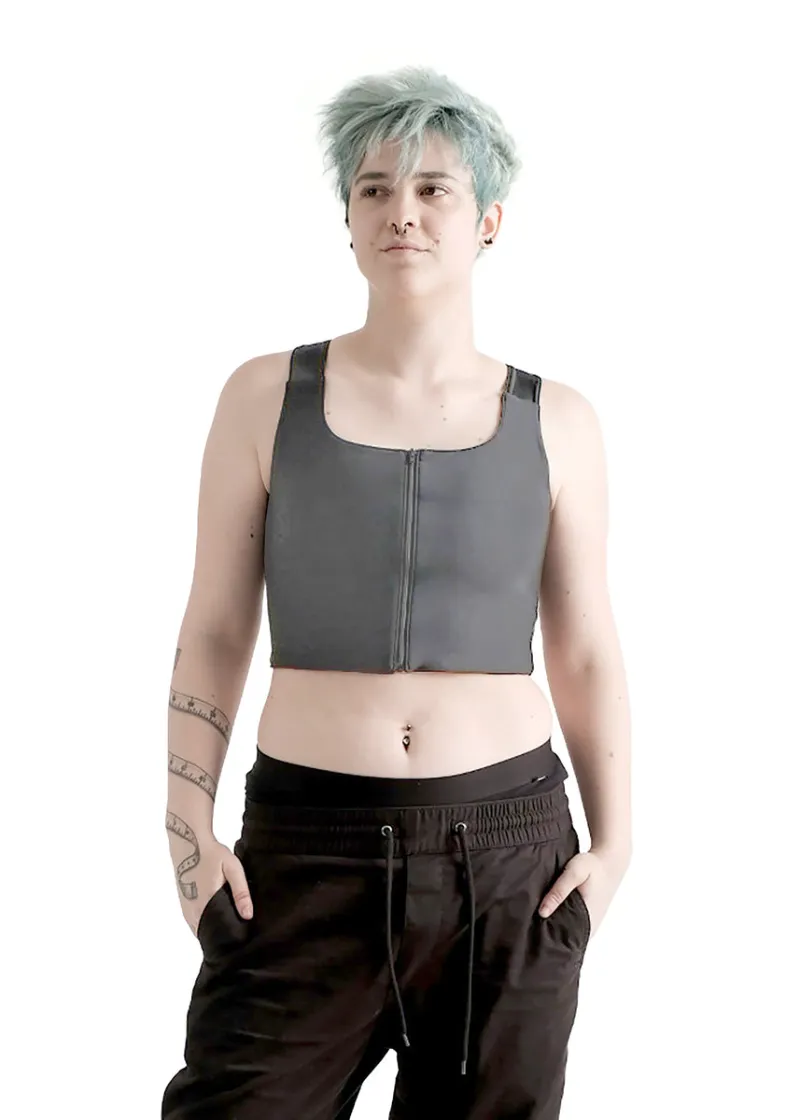
The right chest binder depends on your body type, chest size, torso length, and how you plan to wear it. We tested dozens of options from Gender Bender LLC to help you find the safest, most comfortable compression for your frame, whether you need everyday wear, swim-ready designs, or quick on-and-off styles.
Understanding Chest Binder Styles and When to Use Each
Not all binders work the same way, and matching the style to your body and routine makes a huge difference in comfort and safety.
- Pull-over binders offer the most consistent compression and work well for smaller to medium chests. A traditional chest binder sits flat under clothing and distributes pressure evenly across the torso.
- Zip up binders let you adjust compression on the fly and are easier to get on and off, especially if you have shoulder or mobility concerns. Zip up binders also give you more control over tightness throughout the day.
- Strapless binders eliminate shoulder straps for backless or low-cut outfits. A strapless binder relies on a snug band around the ribs, so it works best for smaller chests and shorter torsos.
- Swim binders use quick-dry, chlorine-resistant fabric so you can bind safely in the pool or ocean. Our swim binder is built for water without the sag or chafing you get from a soaked everyday binder.
- Chest wraps offer lighter compression and breathability for hot weather or low-impact days. A chest wrap works well if you want a less structured option or need a break from full compression.
Point of Pride provides free binders and safer binding resources if you are shopping on a tight budget or need guidance on best practices.
Sizing a Chest Binder for Large Breasts vs. Smaller Frames
Chest size changes everything about how a binder fits, compresses, and stays in place.
For larger chests, look for binders with reinforced panels, wider chest coverage, and strong elastic that will not roll or ride up. A binder bra combines bra-style support with compression, which helps distribute weight and reduce shoulder strain. Many people with larger chests find that a bodycon high compression tube top offers the firmest hold without the pinching you get from too-small traditional binders.
For smaller to medium chests, most pull-over styles work well as long as you measure carefully. Do not size down to get more compression; that increases rib and lung pressure and raises your risk of injury. WebMD's chest binding guide covers the health risks of binding too tightly, including bruising, breathing trouble, and rib damage.
Torso length matters, too. If you have a long torso, a binder that is too short will roll up or leave a visible line under shirts. If you have a short torso, an extra-long binder bunches at the waist and digs into your hips. Measure from the top of your chest to your natural waistline and compare it to the binder's length spec before you buy.
Check the latest sizing chart and grab our code to save 10% on your order.
Material and Construction: What Works for All-Day Wear
The fabric and stitching determine whether you can wear a binder for a full work or school day without pain.
- Nylon-spandex blends are the gold standard. They stretch enough to breathe and move but snap back to hold compression. Look for flat-lock seams that will not chafe under your arms or across your shoulders.
- Cotton linings wick sweat and reduce skin irritation, especially if you are binding in warm climates or during physical activity.
- Mesh panels in the back or sides improve airflow. Some designs add mesh under the arms to prevent overheating without sacrificing compression in the front.
- Double-layer front panels in higher-end binders create smoother, more even compression and prevent the fabric from stretching out too quickly.
If you are swimming or sweating heavily, a dedicated swimming chest binder dries faster and resists chlorine breakdown better than a cotton-blend everyday binder.
Comparing Zip-Up, Pull-Over, and Hybrid Binder Options
Here is how the main styles stack up for different needs and body types.
| Style | Best For | Trade-Offs |
|---|---|---|
| Pull-over | Even compression, all chest sizes, discreet under clothes | Harder to put on, less adjustable |
| Zip-up | Mobility issues, adjustable fit, quick changes | Zipper can dig in or show under thin shirts |
| Strapless | Backless outfits, summer wear, smaller chests | Less compression, can slip on larger frames |
| Swim | Pool, beach, water sports | Lighter compression than everyday binders |
Fashion Journal's binder road test walks through real-world comfort and compression for five popular styles, and their findings match what we saw in our own testing.
If you need versatility, start with a classic pull-over chest binder for daily wear and add a zip up binder or swim binder as your wardrobe and activities expand.
Safe Binding Practices: How Long to Wear and When to Take a Break
Even the best chest binder can cause problems if you wear it incorrectly or for too long.
- Limit wear to 8 hours a day. Your ribs, lungs, and skin need time to recover. If you sleep in a binder, you increase your risk of bruising, restricted breathing, and long-term rib damage.
- Never bind during exercise. Your lungs need full expansion when you work out. Use a high-compression sports bra or a bodycon high compression tube top instead, which offers light compression without restricting your breathing.
- Take rest days. If your ribs hurt, your skin is irritated, or you feel short of breath, take the binder off and give your body a break.
- Wash your binder regularly. Sweat and oil buildup break down elastic and cause skin infections. Hand-wash in cold water and air-dry to extend the life of your binder.
If you are new to binding, start with a few hours a day and work up to longer wear as your body adjusts. Chest binding is not a one-size-fits-all practice, so listen to your body and adjust as needed.
Where to Buy and How to Save on Quality Binders
Gender Bender LLC carries every style we have covered, from everyday compression to swim-ready designs. We have tested their full range and found consistent quality, true-to-size fits, and durable construction across the board.
Visit our discount code page to save 10% sitewide on your first order or stock up on multiple styles. Buying two or three binders lets you rotate them, which extends the lifespan of each one and gives you backups when one is in the wash.
Whether you are looking for your first binder or upgrading to a better fit, starting with accurate measurements and the right style for your body type makes all the difference in comfort, safety, and how you feel in your clothes every day.
Frequently asked questions
What is the best chest binder for large breasts?
Binders with reinforced panels and wider chest coverage work best for larger chests. A binder bra or high compression tube top distributes weight more evenly and reduces shoulder strain compared to standard pull-over styles.
Can I wear a chest binder while swimming?
Yes, but use a dedicated swim binder made from quick-dry, chlorine-resistant fabric. Regular binders soak up water, sag, and take hours to dry, which can cause chafing and skin irritation.
How tight should a chest binder feel?
A properly fitted binder should feel snug but not painful. You should be able to breathe deeply and move your arms freely. If you feel pain, numbness, or shortness of breath, the binder is too tight and you need to size up.
Are zip-up binders as effective as pull-over styles?
Zip-up binders offer comparable compression and are easier to put on and adjust throughout the day. The zipper can sometimes show under thin shirts, but many people prefer the convenience and adjustability.
How long does a chest binder last?
With proper care, a quality binder lasts six months to a year of daily wear. Rotating between two or three binders and hand-washing in cold water extends their lifespan by reducing elastic breakdown.
Can I sleep in a chest binder?
No, you should never sleep in a binder. Your body needs full lung expansion and rib movement during rest. Sleeping in a binder increases your risk of breathing problems, bruising, and long-term rib damage.