
Zip Up Binder vs Strapless Binder: Which Style Works Best?

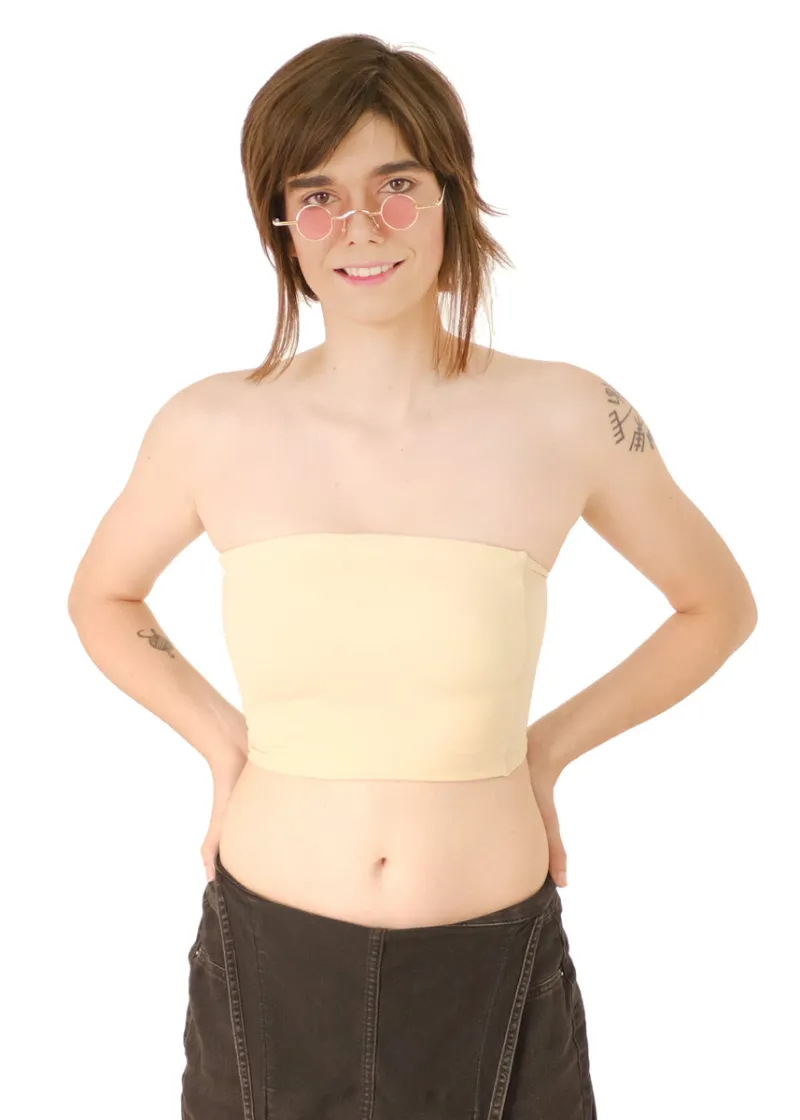
Strapless Binder vs Zip Up: The Core Differences
A strapless binder wraps around your chest without shoulder straps, offering smooth lines under tank tops and sleeveless shirts, while zip up binders feature a front or side zipper with built-in straps for easier on-and-off and adjustable compression. Both styles flatten chest tissue effectively, but your clothing, body type, and daily routine determine which works best for you.
We've tested both designs extensively to help you navigate compression levels, safety concerns, and practical fit differences so you can choose confidently.
How Compression and Coverage Compare
Zip up binders distribute compression across shoulder straps and a zippered panel, which means you can fine-tune tightness as you fasten the zipper. The straps anchor the binder in place during movement, making them popular for active wear and long days. Most zip styles from Gender Bender LLC use a combination of spandex and nylon for four-way stretch.
Strapless options rely entirely on elastic tension around your ribcage and torso. Without straps, a strapless binder sits lower on the chest and requires a snug band to stay put, which can feel restrictive if sized incorrectly. The upside is zero visible lines across your shoulders or back, a major win under racerback tanks, strapless tops, or formal wear. For broader chest sizes, a strapless chest binder for large breasts typically includes multiple rows of hook-and-eye closures to handle additional tissue safely.
| Feature | Strapless Binder | Zip Up Binder |
|---|---|---|
| Shoulder coverage | None (invisible under sleeveless tops) | Straps visible under tank tops |
| Ease of wear | Requires wiggling or step-in | Front zip, quick on-and-off |
| Compression control | Fixed elastic tension | Adjustable via zipper tightness |
| Best for | Formal wear, summer styles, trans strapless needs | Active days, layering, breathability |
Both styles can be worn safely for six to eight hours when properly sized. Check our discount code for 10% off either option.
Are Strapless Binders Safe for Daily Wear?
Safety hinges on sizing and wear duration, not strap design. A strapless binder applies focused pressure around your ribcage without distributing load across your shoulders, so an over-tight band can restrict breathing or cause rib discomfort faster than a poorly fitted zip style. We recommend measuring your underbust and fullest chest point, then cross-referencing Gender Bender LLC's size chart before ordering.
Common safety questions on strapless binder Reddit threads focus on rolling or riding up. A well-fitted strapless option stays anchored by silicone grip strips or wide elastic bands; if yours rolls, size down or switch to a zip style with straps. Never wear any binder while sleeping, and take hourly stretch breaks if you notice numbness or shortness of breath.
The BaronHong strapless plus size design shows how reinforced side panels and moisture-wicking cotton blends improve comfort during extended wear. Gender Bender LLC's strapless binder uses similar construction with added compression zones that avoid direct pressure on lung tissue.
When to Choose a Zip Up Over Strapless
Zip up binders shine in three scenarios:
- Mobility and sports: shoulder straps keep the binder stable during running, gym sessions, or dance. For water activities, pair a zip style with a swim binder layer for chlorine resistance.
- Ease of dressing: front zippers eliminate the struggle of pulling tight fabric over your head or stepping into a tube. If you have shoulder mobility limits or rush mornings, zip styles save time.
- Layering under hoodies or T-shirts: strap lines disappear under most casual tops, so visibility is less of an issue than with strapless cuts.
A chest binder with a zip closure also works well for anyone new to binding, since you can start with a looser zip and gradually increase compression as your body adapts.
For pricing and current stock, check the latest offers before committing to either style.
When Strapless Is the Better Option
Choose a strapless binder for occasions where strap lines would show or distract:
- Formal events: strapless dresses, suits with low-cut vests, or summer weddings demand invisible undergarments.
- Tank tops and sleeveless shirts: racerback styles, muscle tees, and athletic tanks all expose shoulder straps. A strapless design keeps your silhouette smooth.
- Hot weather: without shoulder coverage, strapless options reduce fabric surface area and improve airflow. Pair with a moisture-wicking chest wrap underneath if chafing is a concern.
Strapless binder FTM wearers often prefer this style for dysphoria reduction in intimate settings, since the minimalist design feels less clinical than a full strap harness. Just ensure the band sits flat against your ribs without digging in; any red marks lasting more than ten minutes post-removal signal a sizing issue.
Sizing and Fit Tips for Both Styles
Measure your chest at the fullest point and your underbust while standing straight. For strapless designs, underbust measurement matters more since that band does all the anchoring work. If you fall between sizes, round up for strapless and down for zip styles, since zippers offer built-in adjustability.
Strapless fit checklist:
- Band sits snug against ribs without rolling
- Top edge aligns one inch below your collarbone
- You can take a full breath without gasping
- Fabric lies flat with no bunching at the sides
Zip up fit checklist:
- Straps rest on shoulders without digging in
- Zipper closes smoothly without pulling fabric
- You can raise your arms overhead without the binder riding up
- Compression feels firm but not crushing
Both styles benefit from hand washing in cold water and air drying flat to preserve elastic integrity. Replace your binder every six to nine months with regular use, sooner if the elastic stretches out.
Gender Bender LLC's bodycon high compression tube top offers a hybrid middle ground: it's technically strapless but includes a higher neckline for added security during movement.
Our Verdict: Match Style to Your Wardrobe
If your closet leans toward button-ups, hoodies, and layered looks, a zip up binder delivers easier daily wear and adjustable compression. For anyone who lives in tanks, sleeveless dresses, or formal attire, a strapless binder provides the invisible support you need without compromising safety.
We keep both styles in rotation depending on the day's outfit and activity level. Grab our exclusive code to save 10% on your first order and test both options risk-free. Your ideal binder matches your routine, not a one-size-fits-all rule.
Frequently asked questions
Can you wear a strapless binder under a wedding dress?
Yes, a strapless binder works perfectly under formal gowns and strapless dresses since it eliminates visible strap lines. Just ensure it's properly sized so the band doesn't roll or shift during the event.
Do strapless binders stay in place during exercise?
Strapless binders can shift during high-impact activity since they lack shoulder anchors. For workouts, a zip up binder with straps provides better stability and prevents riding up.
Are zip up binders easier to put on than strapless styles?
Yes, zip up binders are significantly easier to wear because you step in and zip up, while strapless designs require pulling tight fabric over your torso or head. If you have shoulder mobility issues, zip styles are the better choice.
How tight should a strapless binder band feel?
The band should feel snug enough to stay in place without rolling, but loose enough that you can slide two fingers underneath comfortably. Red marks that last longer than ten minutes signal the band is too tight.
Can I sleep in a strapless or zip up binder?
No, never sleep in any binder style. Both strapless and zip up designs compress your chest and restrict breathing, which becomes dangerous during the prolonged stillness of sleep.
Which binder style is better for large chest sizes?
Zip up binders often work better for larger chests because the shoulder straps help distribute compression load and prevent the garment from riding down. Some strapless designs with multiple hook rows can work, but fit is more critical.