
Troubleshooting Common Chest Binder Fit Issues

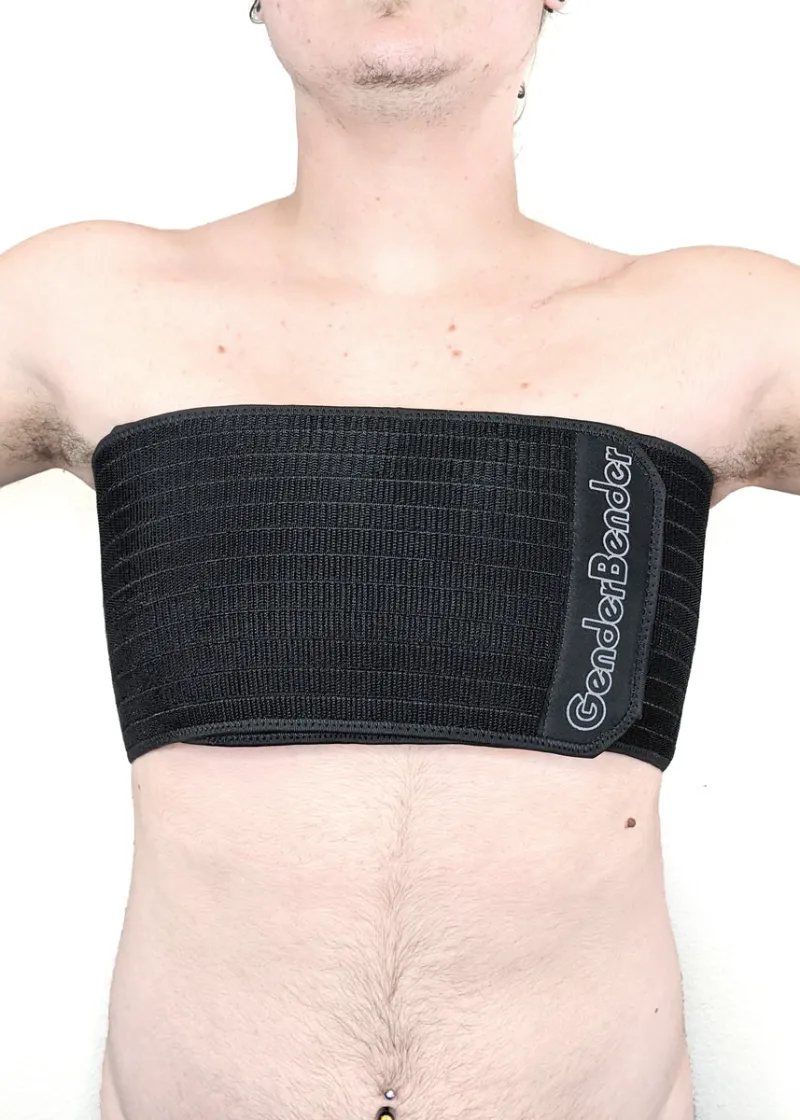
Most chest binder fit problems stem from three culprits: incorrect sizing, the wrong style for your body type, or fabric stretch from improper care. We've tested dozens of compression options and spoken with trans, nonbinary, and gender-nonconforming customers to compile the most common complaints and their fixes.
Whether you're wearing a chest binder for the first time or troubleshooting an old favorite, these solutions address bunching, rolling, breathing discomfort, shoulder pain, and visible lines under clothing.
Chest Binder Bunching and Rolling Up
Bunching at the bottom edge is the most frequent complaint we hear, especially with strapless binder styles that lack shoulder anchors.
Why it happens:
- The band is too loose for your torso length
- You're between sizes and sized up for comfort
- The fabric has stretched from repeated wear or hot-water washing
Quick fixes:
- Try a chest wrap or tank-style option with longer coverage that tucks into pants or shorts
- Wash in cold water only and air-dry flat to preserve elasticity
- If you sized up, exchange for your measured size—compression garments should feel snug when new
- Pair a shorter binder with high-waisted bottoms to keep the hem anchored
For athletic or water activities, a swim binder offers longer torso coverage and fabrics engineered to resist rolling when wet.
Gaping at the Neckline or Armholes
Loose fabric around the chest perimeter means the garment isn't sitting flush against your body, which reduces compression and creates visible lines under shirts.
Common causes:
- The size is too large overall
- Your body shape needs a different cut (full-panel vs. half-tank)
- The binder style doesn't suit larger chest tissue
Solutions to try:
- Re-measure your chest at the fullest point and your underbust; compare both numbers to the brand's size chart
- Switch to a binder bra if you need targeted compression with more structure around the bust
- For larger chests, look for reinforced front panels rather than uniform stretch fabric
- Zip up binders let you adjust tension incrementally, which helps eliminate gaping while keeping the rest of the garment snug
Check the latest sizing and styles with our code for 10% off sitewide.
Breathing Discomfort or Rib Pain
Compression should flatten tissue without restricting lung capacity or bruising your ribs. Pain signals that something is wrong.
Red flags:
- You can't take a full breath after the first 15 minutes
- Sharp pain under your ribs or across your back
- Numbness or tingling in your arms
Immediate adjustments:
- Remove the binder and rest for at least 24 hours
- Size up—chest binders should never hurt
- Limit wear to 8 hours maximum per day; never sleep or exercise intensely in one
- Consider a bodycon high compression tube top for lighter, all-day compression that's safer for long wear
According to Clue's binding safety guide, discomfort escalates quickly into tissue and rib damage if ignored. If pain persists after sizing up, consult a healthcare provider familiar with gender-affirming care.
Visible Lines Under Fitted Clothing
Binder edges, seams, and straps can telegraph through T-shirts, polos, and dress shirts, undermining the smooth silhouette you're aiming for.
Why it shows:
- The hem or neckline ends at a high-contrast point on your torso
- The fabric is too thick or has bulky seams
- Your outer layer is too thin or clingy
Camouflage strategies:
- Choose binders with tapered, laser-cut edges rather than thick elastic bands
- Wear an undershirt (lightweight cotton or modal) between the binder and your outer layer
- Opt for patterns, textured fabrics, or darker outer shirts that diffuse shadows
- A strapless binder eliminates shoulder-strap lines if you're wearing sleeveless or wide-neck tops
For formal or professional settings, a longer chest wrap that extends past your natural waist creates a smoother transition.
Shoulder and Neck Strain
Straps that dig in or ride up signal a mismatch between the garment's construction and your shoulder width or posture.
Typical triggers:
- Straps are too narrow or not adjustable
- The back panel pulls up because the torso is too short
- You have broad shoulders or a muscular upper back
Fixes that work:
- Switch to a racerback or cross-back design that distributes tension across your upper back
- Look for wider, padded straps (common in athletic compression tops)
- Zip up binders often feature adjustable strap placements or detachable options
- If you have a larger chest, a binder bra hybrid redistributes weight away from your shoulders
Sizing Between Styles and Brands
Not all compression garments use the same measurements. A medium in one style may fit like a small in another, especially when comparing a chest binder to a swim binder or strapless binder.
Before you order:
- Measure your chest at the fullest point, your underbust, and your torso length (shoulder to hip)
- Compare all three numbers to the specific product's size chart—not just the brand's generic guide
- Read reviews filtered by body type; many mention true-to-size fit or recommend sizing up or down
- This community review roundup compares fit across budget-friendly options
If you're between sizes, default to the larger option for daily wear and the smaller for special occasions when you need maximum compression for a few hours.
Care and Maintenance to Preserve Fit
Even the best chest binder loses elasticity if you machine-dry it or wash it in hot water. Stretched-out fabric is the root cause of most rolling, bunching, and gaping issues after the first few months.
Longevity checklist:
- Hand-wash or use a mesh laundry bag on cold, gentle cycle
- Air-dry flat on a towel; never tumble-dry or hang (hanging stretches the shoulders)
- Rotate between two or more binders so each gets 24–48 hours to recover between wears
- Replace every 6–12 months depending on frequency of use
Grab the code to stock up and keep a fresh rotation in your drawer. Proper care extends the life of your compression gear and maintains the fit you rely on.
Frequently asked questions
Why does my chest binder roll up at the bottom?
Rolling happens when the band is too loose, the fabric has stretched from hot-water washing, or the style is too short for your torso. Switch to a longer tank or wrap style, wash in cold water, and air-dry flat to preserve elasticity.
How tight should a binder feel when it's new?
A new binder should feel snug but never restrict your breathing or cause rib pain. You should be able to take full, deep breaths and move your arms freely. If you experience sharp pain or numbness, size up immediately.
Can I fix a binder that's stretched out?
Unfortunately, once the elastic fibers lose tension, you can't restore them. Cold-water washing and air-drying flat can slow further stretching, but a significantly stretched binder should be replaced for safe, effective compression.
What's the difference between a chest binder and a binder bra?
A chest binder offers uniform compression across the chest, while a binder bra combines targeted bust compression with a bra-like structure and often adjustable straps. Binder bras work well for larger chests or anyone who needs more shoulder support.
How do I stop my binder from showing under clothes?
Choose binders with tapered or laser-cut edges, wear a thin undershirt as a buffer layer, and opt for textured or darker outer shirts. Strapless styles eliminate visible strap lines under sleeveless or wide-neck tops.
Should I size up or down if I'm between sizes?
Size up for daily, all-day wear to prioritize comfort and safety. Size down only for short-duration events where you need maximum compression, and never wear a too-small binder for more than a few hours.