
How to Choose the Right Double Arm Pendant Light Height for Your Dining Table

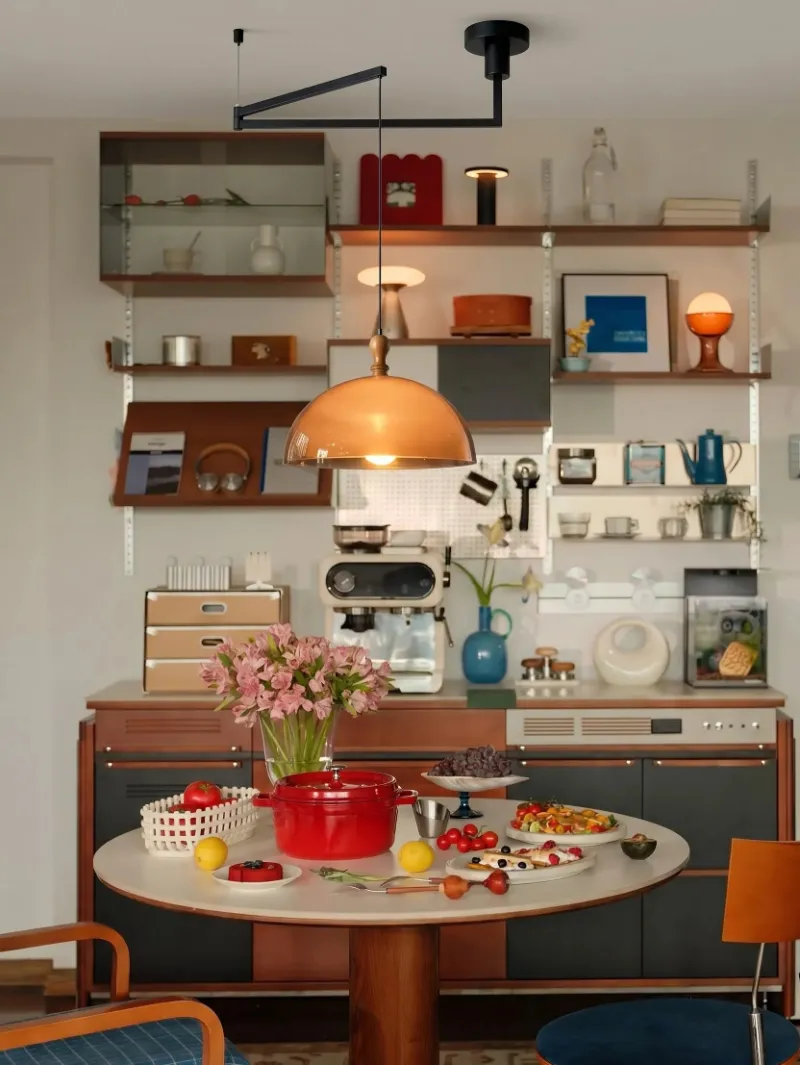
How to Choose the Right Double Arm Pendant Light Height for Your Dining Table
Hang a double arm pendant light so the bottom of each shade sits 30 to 36 inches above your tabletop, or roughly 6 feet from the floor if you walk under it. That single rule solves most dining room lighting mistakes, because a double arm fixture has two light sources that need to sit low enough to feel intimate but high enough that nobody clips a shade with a wine glass.
We test a lot of fixtures, and the double arm pendant light is one of the trickiest to get right precisely because of its arms. The off-center reach of each arm means height and horizontal spread work together, so getting it wrong in one dimension is usually a sizing problem, not a taste problem. Here is how we approach it.
Why Height Matters More With a Swing Arm Design
A fixed single-drop pendant is forgiving: if it is an inch too low, it just looks an inch too low. A double arm pendant light, sometimes called a swing arm chandelier or adjustable swing arm pendant light, adds a horizontal element. Each arm reaches out from a central mount, which changes the geometry in three ways:
- Sightlines. Arms that sit too low block the view across the table, so guests end up talking around a lamp instead of past it.
- Glare. Low-hanging shades at eye level (seated eye height is roughly 44 to 48 inches) expose bare bulbs or reflective shades to anyone sitting across the table.
- Spread. The arms are designed to cover a rectangular or oval table, so the fixture should hang over the table's center point, not the room's center point. If your table is off center in the room, an off center pendant light placement is actually the correct move here.
A light swing arm that drops too low also stops the arms from doing their job. You want them reaching over place settings, not hovering at chin height above them.
The Height Rules We Use, Step by Step
- Measure your ceiling to the tabletop. Standard dining tables are about 30 inches tall, so on an 8-foot ceiling you have roughly 66 inches of drop to work with.
- Aim for 30 to 36 inches above the tabletop. This is the industry-standard range for pendants over dining tables, and it holds for a two-arm fixture. Go closer to 36 inches if you have tall guests, a formal room, or shades that glare. Go closer to 30 inches in a cozy, casual space with a wide shade.
- Check the arm reach against your table width. As a rough rule, the total spread of the two arms should be about half to two-thirds of your table length. A 72-inch table wants a fixture with roughly 36 to 48 inches of total arm span.
- Confirm the walk-under clearance. If the pendant hangs where anyone walks (an open-plan space, for example), keep the lowest point at least 6 feet 6 inches from the floor, or shift it fully over the table where clearance rules relax.
- Test before hardwiring. Hang the fixture on a temporary hook or have a second person hold it while you sit in every chair. Sightlines from a seated position are what actually matter.
Sizing a Double Arm Pendant Light to Your Table: A Quick Table
Use this as a starting point, then adjust up or down within the 30 to 36 inch band based on taste:
| Table size | Total arm span to look for | Bottom of shade above tabletop |
|---|---|---|
| 48 to 60 in rectangular | 24 to 36 in | 32 to 36 in |
| 60 to 72 in rectangular | 36 to 48 in | 30 to 34 in |
| Round, 42 to 48 in diameter | 24 to 30 in | 32 to 36 in |
| Round, 54 in and up | 30 to 42 in | 30 to 34 in |
If your numbers fall between two rows, err on the larger span with a higher hang. A fixture that spreads wide but sits high reads as intentional; a narrow fixture crammed low reads as an afterthought.
Adjustable Arms vs Fixed Arms
Not all double arm fixtures move the same way. Some have a fixed joint and rely on you choosing the right drop length at installation. Others use a true adjustable swing arm pendant light mechanism that lets you reposition shades after the fact, which is worth paying for if your dining table moves, gets extended for holidays, or if you are renting and the next tenant's layout is a mystery.
Products like the Lightswing system exist specifically because people keep needing to reposition pendant lights after installation, and a UL-listed adjustable fixture such as the Adjustable Dome Ceiling Fixture shows how far the category has come. If your ceiling box is not centered over your table, one of these adjustable approaches beats the old
Frequently asked questions
How high should a double arm pendant light hang above a dining table?
Aim for the bottom of each shade to sit 30 to 36 inches above the tabletop. Use the higher end for formal rooms or glare-prone shades, and the lower end for casual spaces with wide shades.
Can I use a swing arm pendant light if my ceiling junction box is not centered over the table?
Yes. Adjustable swing arm pendant lights and ceiling-mounted offset systems let you shift the shades toward the table without moving the electrical box, which is the cheapest fix for an off center pendant light situation.
How wide should a double arm pendant light be for a 72-inch table?
Look for a total arm span of roughly 36 to 48 inches, then hang it 30 to 34 inches above the tabletop. Sit in every chair and check sightlines before final installation.
Do I need to dim a double arm pendant light?
It is strongly recommended. Because two arms concentrate light over a dining surface, a dimmer lets you use full brightness for homework and crafts and drop it low for dinner.
What other Homezee lighting pairs well with a dining room pendant?
The Coby lamp works well on a sideboard, the Sneedville arched floor lamp fills a dark corner, and the Luze candle warmer adds low warm light on a console or bar cabinet.