
Why Your Coby Lamp Flickers (And Other Table Lamp Troubleshooting Tips)

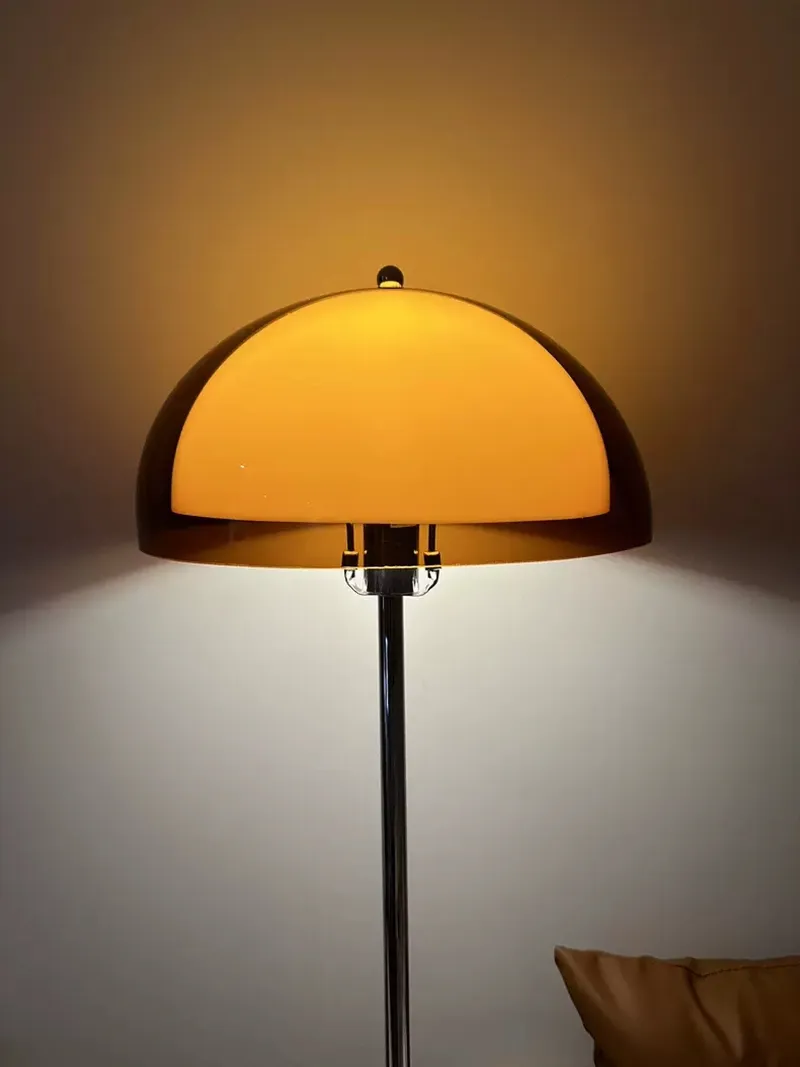
A flickering coby lamp almost always comes down to one of three things: a loose bulb, a failing connection in the socket, or a faulty dimmer switch. In this guide we walk through how to fix each of those in minutes, plus the other table lamp problems we see most often in our testing, from wobbly bases to warmers and shades that smell hot.
Before you spend money on a replacement, work through the checks below in order. Most flicker fixes cost nothing.
Why Your Coby Lamp Flickers and How to Fix It
The coby lamp is a table lamp, and table lamps flicker for predictable reasons. Here is the order we diagnose in every lamp that lands on our bench:
- Check the bulb first. Unscrew it and screw it back in firmly. A bulb that is even slightly loose in the socket will flicker, especially when the lamp is bumped or when you walk past it. If the bulb is an LED, swap in a different brand. Cheap LED drivers are the single most common cause of flicker we see.
- Inspect the socket tab. With the lamp unplugged, look at the small metal tab at the bottom of the socket. If it is flattened, gently pry it up a couple of millimetres with a fingernail or wooden skewer. A tab that sits too low cannot make solid contact with the bulb.
- Test the switch. Cycle the on/off or dimmer switch ten to twenty times. Dust and oxidation build up on contacts, and working the switch often cleans them. If flicker persists, the switch itself has likely failed.
- Wiggle the cord and plug. Unplug the lamp, then flex the cord along its length near the base. If the light stutters while you do this with the lamp plugged in and switched on, the cord is damaged internally and needs replacing. Do not tape over it.
- Rule out the circuit. Plug the lamp into a different outlet in another room. If it stops flickering, your original outlet or the shared circuit is the problem, not the lamp.
If all five checks pass and the flicker remains, the fault is inside the lamp body, usually the socket or the internal wiring. At that point, a lamp repair shop or a replacement makes more sense than DIY, because mains-voltage wiring is not something to improvise.
Bulb Choice: The Cheapest Fix for Lamp Problems
Wrong bulbs cause more complaints than faulty lamps. Keep these rules in mind:
- Match the wattage rating printed on the socket. Exceeding it overheats the socket and shade.
- Use dimmable LEDs with dimmer lamps. Non-dimmable LEDs on a dimmer circuit flicker, buzz, and die early.
- Check the base type. Most table lamps use an E26 or E27 screw base, but some smaller designs take E14 or B15. Buying the wrong base and forcing it in damages the socket.
- Avoid ultra-cheap no-name LEDs. In our testing, budget LED bulbs fail and flicker at a much higher rate than mid-range branded ones.
Loose, Wobbly, or Tipping Lamps: Stability Basics
A lamp that rocks on its base will eventually damage its own wiring at the strain relief where the cord exits. To stabilise one:
- Check that the base is fully screwed onto the threaded rod. Many lamp bases loosen over time from vibration.
- Tighten the harp (the wire frame holding the shade) and make sure the shade sits level and centred.
- If a table lamp still wobbles, add felt pads under the base rather than shimming with folded paper, which compresses and slips.
- For tall designs, weight matters more than height. Arched styles like the sneedville arched floor lamp counterbalance the shade overhang with a heavy base, so place the base on a hard, level surface and keep the arc away from walkways.
If a table lamp is too small for your room and you keep bumping it, consider stepping up to arhaus floor lamps style lighting instead. Wait, let us correct that link: arhaus floor lamps put light higher and clear of desk and sofa traffic, which also cuts down on accidental knocks.
Smells, Heat, and Shade Care
A hot or burning smell from a lamp is a stop-using-it-now signal, not a nuisance. Common causes:
- Overwattage bulbs cooking the socket insulation. Drop to the rated wattage immediately.
- Dust on the bulb. A thick dust layer traps heat and can smell faintly smoky. Wipe bulbs when they are cool.
- Overtightened shades or decorative trims sitting too close to the bulb.
One side note from our own home testing: if you love warm, low light but worry about heat near fabrics, a dedicated warming device is a safer bet than pushing a lamp to do that job. We use the luze candle warmer for that exact purpose, since it is designed to heat gently with no open flame.
Dust shades monthly with a lint roller or microfibre cloth, and keep fabric shades out of direct sun, which yellows them within a season or two.
Table Lamp vs Pendant vs Floor Lamp: Picking the Right Fixture
If your lamp keeps failing or never quite lights the room well, the fixture type may be the real problem. Here is how the main options compare:
| Fixture type | Best for | Watch out for |
|---|---|---|
| Table lamp (like the coby lamp) | Bedside, side tables, layered lighting | Limited reach; needs a sturdy surface |
| Pendant light | Dining tables, kitchen islands, focal points | Needs installation; fixed position |
| Floor lamp | Reading corners, dark room corners | Footprint and tip-over risk |
A double arm pendant light gives you two adjustable light heads over a table, which solves the "one lamp is never enough" problem permanently. For a softer, diffused look, the coby-style mushroom shade silhouette is popular; you can see how it translates to larger formats in this Coby Double Shade Mushroom Arc Floor Lamp with Table reference, which is essentially the arc floor lamp version of the same design language.
(A quick clarification for anyone searching vintage academic lighting: a Colby Lamp is a different product entirely, an engraved desk lamp from the Colby College bookstore, so do not mix the two up when ordering bulbs or parts.)
Where to Buy and How to Save
Once you have settled on a fix or a replacement, check the latest price and grab the code before you order. Homezee runs a 10% off sitewide offer at the time of writing, and the same page lists current pricing so you never buy against a stale number. We keep the coupon page updated, so it is worth a look even if you are only browsing.
Our verdict: a flickering table lamp is almost always a five-minute fix, and the diagnosis order above solves the majority of cases we test. Start with the bulb, end with the cord, and only replace the lamp when the internals have actually failed.
Frequently asked questions
Why does my coby lamp flicker only sometimes?
Nine times out of ten it is the bulb itself, either slightly loose or a cheap LED with a failing driver. Reseat the bulb first, then swap in a different bulb before assuming the lamp is faulty.
Is a flickering table lamp dangerous?
It depends on the cause. A loose bulb or dirty switch contacts is free to fix, while a failed socket, dimmer, or damaged cord usually means a repair shop or a replacement lamp.
What kind of bulb should I use in my table lamp?
Match the wattage rating printed on the socket, use the correct base type (usually E26 or E27), and choose dimmable LEDs if your lamp has a dimmer switch.
How do I stop my lamp from wobbling?
Yes. Check that the base is screwed fully onto the threaded rod, tighten the harp, and add felt pads under the base if the surface is uneven.
My lamp smells hot when it is on. What should I do?
Unplug it immediately and stop using it. Overwattage bulbs, dust buildup, or overheated socket insulation are the usual culprits and all need addressing before the lamp goes back into service.
Where can I buy the coby lamp with a discount?
Homezee sells the coby lamp directly, and you can check current pricing and the latest discount code on our coupon page before ordering.