
Best Chicken Coop Setup: Hardware Cloth, Ventilation, and Predator Protection

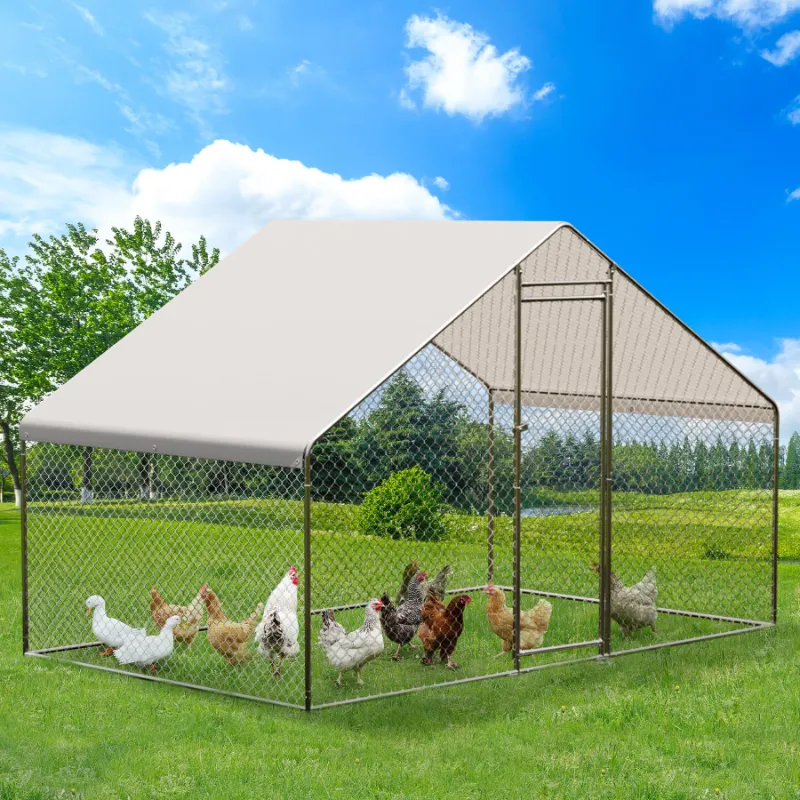
A well-designed chicken coop requires more than four walls and a roof. Your flock needs proper ventilation, secure predator protection, and thoughtful layout to thrive. We tested key setup components and shelter strategies to help you build a chicken coop that keeps birds safe, healthy, and productive.
Choosing the Right Chicken Coop Structure
The foundation of any backyard setup starts with the chicken coop itself. Your choice depends on your space, flock size, and whether you want a stationary or mobile shelter. A chicken coop from Garvee offers solid construction with practical dimensions for small to medium flocks. Stationary coops work best if you have dedicated space and want to maximize interior volume. Mobile or tractor-style designs let you rotate your birds across your yard, reducing pest pressure and spreading manure naturally.
Look for coops with sloped roofs for rain drainage and elevated floors to keep predators from digging underneath. Interior height should allow you to stand upright for cleaning and nest box access. Check the latest price on Garvee to compare options with their current 10% discount.
Hardware Cloth vs. Chicken Wire: What Actually Works
This is where many backyard setups fail. Chicken wire stops birds from escaping but does little against predators. Raccoons tear through it in minutes. Hardware cloth is the tested standard: a welded metal mesh with 0.5-inch or smaller openings that resists predator damage far longer than traditional wire.
| Protection Type | Predator Resistance | Cost | Durability |
|---|---|---|---|
| Chicken wire | Minimal | $ | 2-3 years |
| Hardware cloth | High | $$ | 5-10 years |
| 1/4-inch hardware cloth | Very high | $$$ | 10+ years |
Hardware cloth requires more effort to install but pays back in peace of mind. Staple it securely to every opening: windows, vents, and the run perimeter. Bury it at least 12 inches deep or bend it outward underground to prevent digging entry. Don't compromise on the chicken coop perimeter, especially at ground level where raccoons and foxes probe first.
Ventilation Without Drafts
Proper airflow prevents respiratory illness and ammonia buildup from droppings, but drafts stress birds in cold weather. The solution is high vents positioned away from roosting areas. Authority research on chicken coop features confirms that windows or louvers near the top of the chicken coop allow hot, humid air to escape while keeping ground-level drafts minimal.
Aim for one square foot of ventilation per three birds during winter. In summer, open all vents fully. Hinged or removable roof panels on your chicken coop let you increase airflow on hot days without permanent structural changes. Install vents with hardware cloth backing to keep wild birds and insects out.
Predator Protection Beyond the Coop
A secure chicken coop is only half the battle. Your outdoor run needs the same rigor. Extend hardware cloth at least two feet up the run walls and bury it underground to stop digging attacks. Roof the run partially or fully to block aerial predators like hawks and owls.
Motion-activated lights and radios near your chicken coop deter nocturnal visitors. Electric fencing around the perimeter provides another layer, especially against coyotes. Lock the chicken coop door at dusk every single night, and vary your routine so predators don't learn a pattern.
Nesting Boxes and Interior Layout
Inside your chicken coop, dedicate one nesting box per 3-4 hens. Boxes 12 inches square, mounted 12-18 inches off the ground, give birds privacy and keep eggs clean. Use wood shavings or straw for bedding, refreshed twice weekly.
Roosts positioned higher than nesting boxes prevent hens from sleeping in boxes and soiling them. Space roosts 12 inches apart and 18 inches above the floor. A foldable step stool makes regular cleaning and egg collection easier, especially in taller coops.
Seasonal Care for Your Chicken Coop
Winter requires extra insulation. Add straw to the coop floor for warmth, and ensure your chicken coop has weatherstripping around doors and gaps. Leave ventilation open for air circulation even in cold climates, as moisture causes more illness than cold.
Summer demands shade and hydration. Paint your chicken coop exterior light colors to reflect heat, provide multiple waterers, and add frozen treats like ice blocks with herbs frozen inside. What should be inside a chicken coop emphasizes shade, water access, and dust baths, all achievable with thoughtful positioning and setup.
Spring cleaning means replacing old bedding completely, scrubbing feeders and waterers with vinegar, and inspecting your hardware cloth for rust or damage. A secure, well-maintained chicken coop catches small problems before they spread disease through your flock.
Where to Buy Quality Coop Components
Garvee stocks everything you need for a solid chicken coop setup. Beyond the coop itself, they carry hardware cloth in various gauges, heavy-duty fasteners, and ventilation hardware. Grab the code for 10% off when you bundle your coop build materials. Building a chicken coop the right way costs more upfront but saves money in predator losses and vet bills over time.
Quality construction and attention to ventilation, security, and seasonal care transform a simple chicken coop into a thriving ecosystem for your flock. Start with a solid base unit, layer in hardware cloth protection, ensure proper airflow, and maintain your setup regularly. Your birds will reward you with consistent egg production and good health.
Frequently asked questions
What size hardware cloth should I use on my chicken coop?
Use 0.5-inch or 1/4-inch hardware cloth for your chicken coop perimeter and openings. The smaller 1/4-inch mesh offers better protection against weasels and young rats but costs more and is harder to work with. Most owners choose 0.5-inch as a practical balance between security and installation effort.
How often should I clean the inside of a chicken coop?
Remove droppings and wet bedding from your chicken coop 2-3 times per week using the deep litter method, or daily if you prefer a spotless setup. Do a full bedding replacement every 4-6 weeks, and a deep scrub with vinegar quarterly to control bacteria and ammonia buildup.
Can I use my chicken coop year-round in cold climates?
Yes, your chicken coop can work year-round with proper prep: add 4-6 inches of straw bedding for insulation, maintain ventilation to prevent moisture buildup, and provide heated waterers so birds don't waste energy melting ice. Ensure your chicken coop has no drafts at roosting height but allow air movement near the top.
Do I need to roof my chicken coop run?
Roofing your chicken coop run is highly recommended to stop hawk attacks and reduce rain exposure. Even partial coverage over roosting areas helps. If a full roof isn't feasible, install bird netting or electric fencing overhead to deter aerial predators.
What's the best bedding material for inside a chicken coop?
Wood shavings (pine or aspen) are the most popular choice for your chicken coop floor, offering good absorbency and comfort. Avoid cedar and walnut which contain oils toxic to birds. Straw works in winter for extra warmth, and sand suits the run if you want to reduce ammonia and moisture.
How do I keep my chicken coop secure from raccoons?
Raccoons are persistent, so your chicken coop needs layered defense: bury hardware cloth 12 inches deep, lock the door at dusk, and use motion-activated lights nearby. Many owners add electric fencing around the perimeter as the final deterrent.