
Drywall Lift vs Manual Installation: Why This Tool Saves Time and Your Back

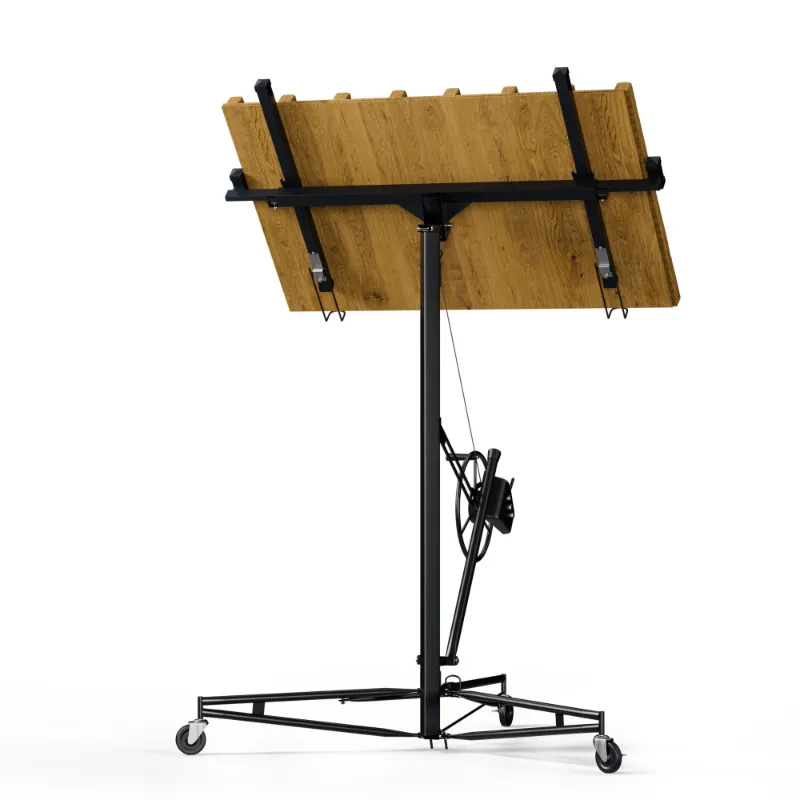
A drywall lift transforms overhead drywall installation from backbreaking to manageable, holding panels at the exact height you need while you work. Whether you're finishing a basement, building an addition, or patching a ceiling, choosing between a drywall lift and manual installation matters for both your safety and project timeline. We tested the difference and found that the right tool makes a genuine impact on quality and efficiency.
What a Drywall Lift Does (and Why You Need One)
The drywall lift is a mechanical or pneumatic hoist that raises and positions drywall sheets—typically 4x8, 4x10, or 4x12 panels—up to 16 feet or higher, depending on the model. Instead of holding a 50-pound sheet overhead with your hands and a helper's body parts, you raise it on the lift, lock it in place, and fasten it. This solves the core problem: human arms and necks simply aren't designed to hold drywall against a ceiling for the 10 to 15 minutes it takes to screw it in place.
Manual installation (two people with a deadlift setup or a T-brace) leaves you exhausted and increases injury risk. A drywall lift for ceiling work eliminates that strain entirely. Many contractors won't work on ceilings without one.
Drywall Lift for Walls vs. Ceilings
Ceiling drywall is where a drywall lift truly earns its place. Gravity works against you the entire time. A quality lift holds the panel steady, freeing both hands for fastening screws or nails. Wall installation is less demanding—you can brace a panel against the floor or use temporary supports—but a lift still speeds the job.
For walls, many crews skip the lift and use a foldable step stool or simple bracing. That works if you're handling small repairs. For full wall coverage or a drywall lift for walls on a large project, the tool saves the same fatigue and time it does overhead. The foot pedal design on most lifts lets you raise or lower panels with minimal effort, even when fully loaded.
Drywall Lift Rental vs. Purchase
A drywall lift typically costs between $200 and $600 new, depending on capacity and features. Rental ranges from $30 to $60 per day, making it the obvious choice for one-off projects. A homeowner finishing a basement ceiling benefits from rental. A contractor running multiple jobs per year should own one.
Rental availability varies by location. A drywall lift rental is readily available from home improvement chains, equipment rental centers, and United Rentals, making it easy to grab one for a weekend or week-long job. If you're in an area without nearby rental shops, buying becomes more practical.
Check grab the code for current pricing and availability on drywall lifts in stock.
Manual vs. Lift: The Real Differences
| Aspect | Manual Installation | Drywall Lift |
|---|---|---|
| Setup time | 5 minutes | 10-15 minutes |
| Fatigue level | High | Minimal |
| Fastening speed | Slower (limited hand access) | Faster (full reach and control) |
| Injury risk | Higher (shoulders, neck, back) | Lower (ergonomic positioning) |
| Rental cost | N/A | $30-60/day |
| Ceiling projects | Impractical over 8 feet | Standard practice |
Manual installation works for small patch jobs at eye level. Anything involving overhead work or full-room coverage shifts the advantage decisively to mechanical help. A single ceiling sheet (4x8) takes roughly 30 minutes with a lift versus 45 to 60 minutes wrestling it manually. Multiply that by 10 or 20 sheets and you're saving a full day of labor.
Key Features to Look For
A good drywall lift includes:
- Capacity of at least 150 pounds (standard sheet weight).
- Adjustable height that reaches your target (ceilings to 16 feet or more).
- A foot pedal or hydraulic control for one-handed operation.
- A wide, stable base to prevent tipping on uneven floors.
- Smooth lateral movement so you can slide the panel into exact position without lowering it.
Budget models lack lateral adjustment, forcing you to lower and re-raise the panel if you need to move it side-to-side. Mid-range lifts include wheels and fine-tuning controls. Premium options feature dual-position heads for angled ceiling work.
Most rental fleets stock the 150 lb. Capacity Drywall Panel Hoist - Harbor Freight or similar 150-pound capacity models. These are proven workhorses for standard residential and light commercial jobs.
When to Skip the Lift
A drywall lift isn't mandatory for every scenario. Skip it if you're:
- Patching a small hole or hanging a single sheet at eye level.
- Working in tight spaces (bathrooms, closets, hallways) where a lift won't fit.
- Dealing with partial walls where manual bracing is simpler.
- Using pre-cut pieces or specialty panels that weigh less than 50 pounds.
In these cases, a simple foldable step stool and careful bracing often suffice. But as project scope grows, the lift shifts from luxury to necessity.
Proper Technique for Using a Drywall Lift
Position the lift directly under where the panel will go. Load the sheet onto the lift's platform, center it, and slowly raise it using the foot pedal until it contacts the framing. Don't force it—panels can shift. Secure the leading edge with one or two fasteners first, then add screws every 12 inches around the perimeter. This prevents the panel from sliding while you work.
For a drywall lift for ceiling work, start in a corner and work systematically outward. Offset seams across the ceiling for strength and to simplify taping later.
Check the latest price on drywall lifts and related tools to see current stock and promotions.
The Bottom Line
A drywall lift transforms overhead drywall work from a physical ordeal into a manageable task. Rental is affordable for single projects; ownership makes sense if you run regular construction work. Manual methods still have a place for small repairs and tight spaces, but anyone tackling a full ceiling or multiple walls benefits from the speed, safety, and quality a lift delivers. The upfront cost—whether rental or purchase—pays for itself in reduced labor hours and fewer trips to the chiropractor. For more options and comparisons, check out The 10 Best Drywall Lifts to Simplify Construction Projects to see what other builders rely on.
Frequently asked questions
Can I rent a drywall lift from a big-box retailer?
Yes. Home Depot, Lowe's, and independent equipment rental centers typically stock drywall lifts for daily or weekly rental. Prices range from $30 to $60 per day depending on location and capacity.
What's the maximum height a drywall lift can reach?
Most standard models reach 10 to 16 feet, which covers typical residential ceilings and many commercial spaces. Specialized lifts can go higher, but check specifications before renting for your specific ceiling height.
Is a drywall lift necessary for wall installation, or just ceilings?
A drywall lift is most valuable for ceiling work where gravity is your enemy. Walls can often be handled with bracing or a step stool, but a lift still speeds up large wall projects and reduces fatigue on multi-sheet jobs.
How much weight does a typical drywall lift hold?
Standard residential drywall lifts hold 150 pounds, which covers typical 4x8, 4x10, and 4x12 drywall sheets. Heavy specialty panels may require higher-capacity rental equipment.
Can I use a motorcycle jack or other lifting tool instead?
A motorcycle jack or [motorcycle jack](/go/p/7390) isn't designed for drywall and won't provide the stable, adjustable platform you need. Specialized drywall lifts are safer, more stable, and designed specifically for this work.
What's the actual time savings when using a drywall lift?
A single 4x8 ceiling sheet typically takes 30 minutes with a lift versus 45 to 60 minutes hanging it manually. On a full ceiling (10 to 20 sheets), that translates to a full day or more of saved labor.